
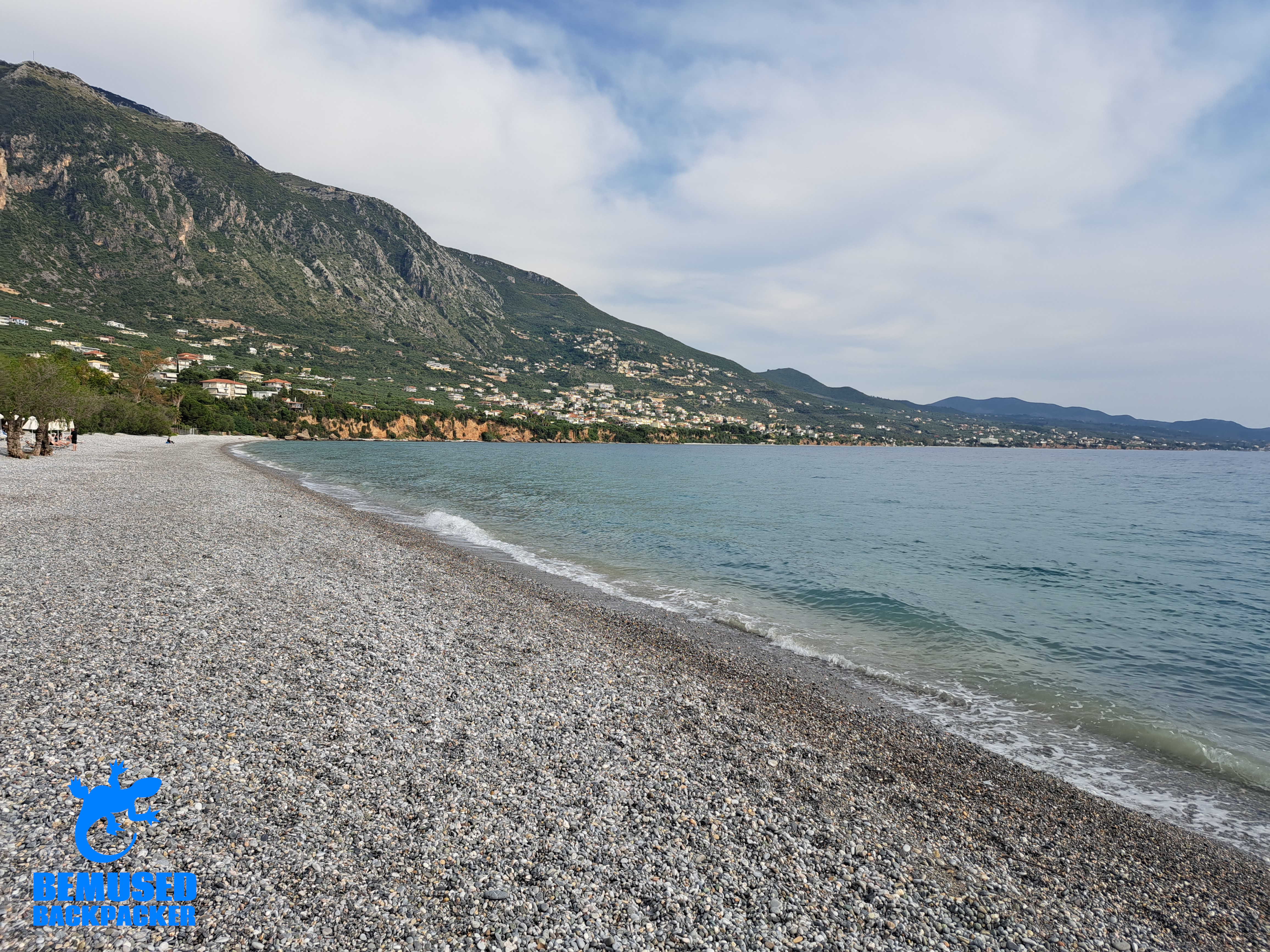
Kalamata is the capital city of the Messinia region in Greece. Often overlooked or rushed through by many travellers, this charming seaside city is a surprising cultural powerhouse with a lot to see and do. Here is your guide for the best things to see and do in Kalamata to help you plan your trip.
This is a paid article written in partnership with Mythical Peloponnese, with products or services supplied by them. Full editorial integrity is maintained at all times. The views and opinions expressed are entirely the authors own based on personal experiences when travelling and are honest and factual without any bias.
Just a short drive from Athens and connected to the rest of Greece by the famous Corinth Canal is the Peloponnese peninsular, a group of islands that have played a crucial role in the history and heritage of the country accredited with the birth of modern civilisation, but often get overlooked by travellers and are overshadowed by the popularity of other Greek regions and cities. For those travellers willing to go just a tiny bit off the well worn tourist trail in Greece, the peninsular offers some of Greece’s most stunning – and often slightly less crowded – beaches, a ton of culture, more history and heritage sites that you can see in one trip and awesome regional food and drink. As the second largest city in the Peloponnese, Kalamata has a fantastic long beach, decent bars and restaurants and some excellent museums. Here are just some of the best things to see and do in Kalamata.
Wander The ‘Old Town’.
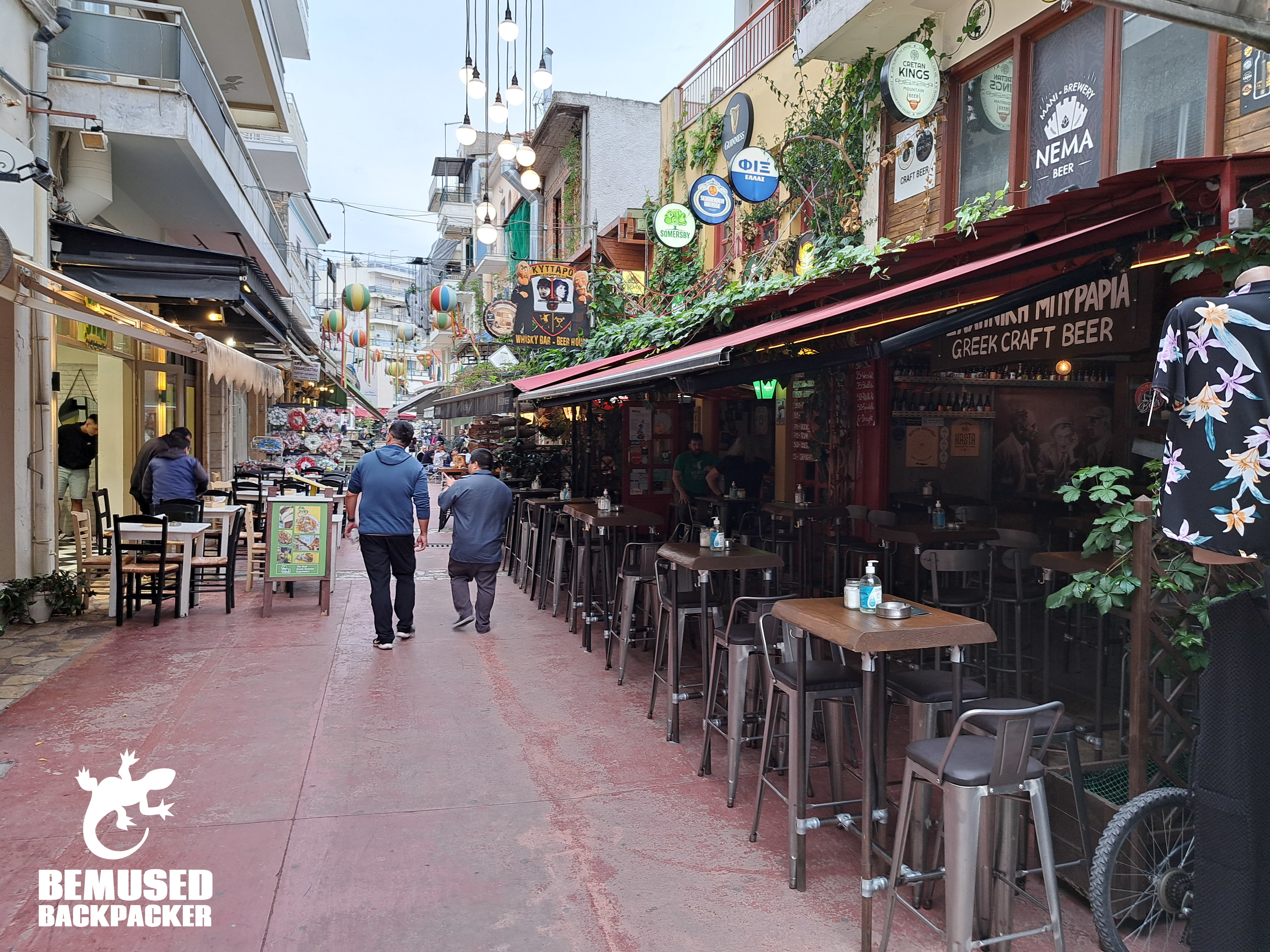
I hate the term ‘old town’ because of its mass tourism connotations, but like most European cities and towns, Kalamata has a stunning historic quarter that is an absolute must see. It is this historic quarter where you will find narrow alleys to get lost in, amazing architecture and neoclassical mansions to marvel at and several must-see churches, including the Byzantine church of the Holy Apostles, the cathedral of Ypapantis, and countless local shops and eateries. It is so easy to lose a few days wandering round here.
Enjoy The Coffee Culture.
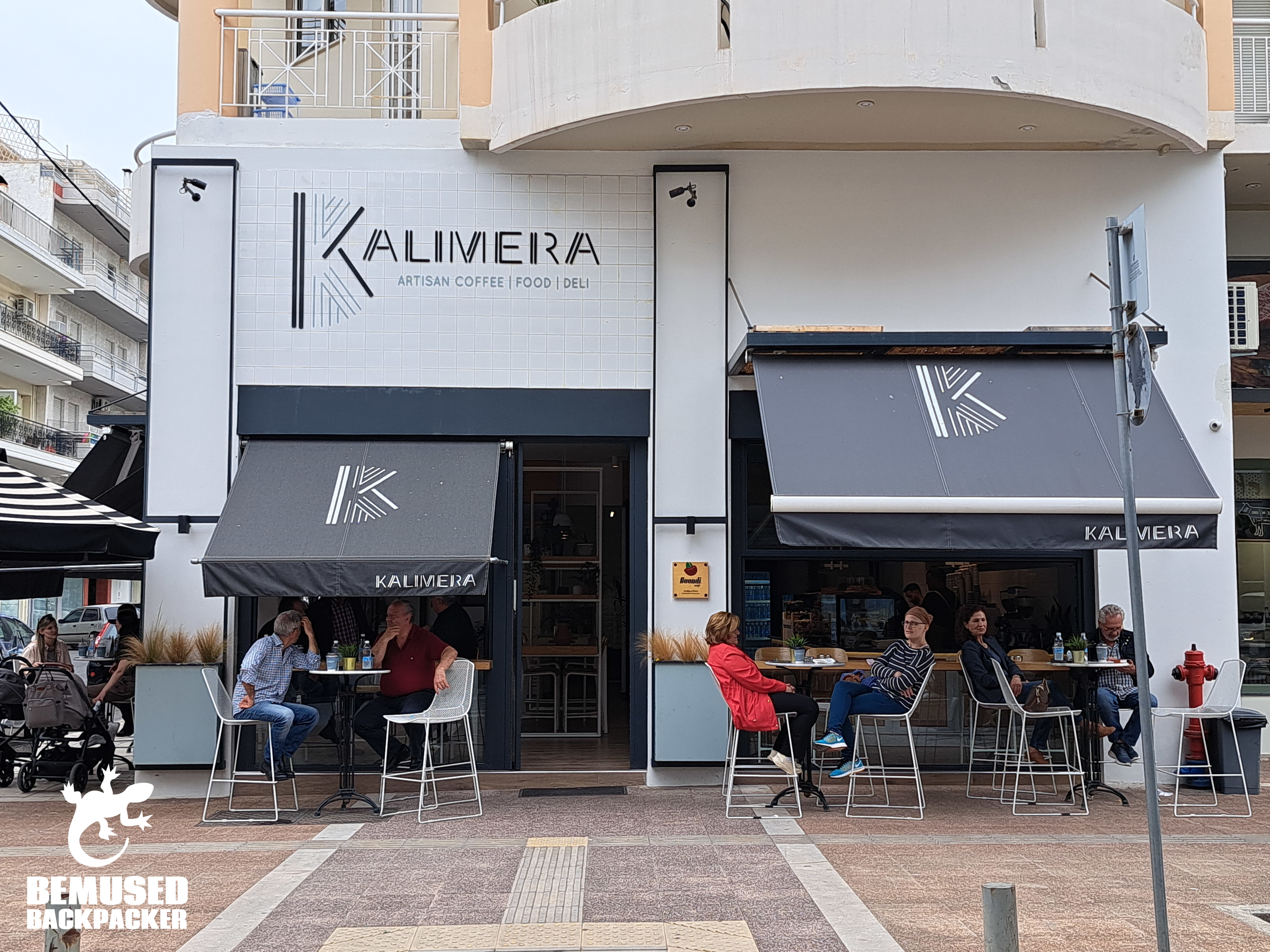
Now to be fair this is true of anywhere in Greece, the famous laid back tradition of grabbing a coffee and savouring it for as long as possible in the company of good friends, or just people watching if you happen to be solo, is not limited to just Kalamata, but it is still worth taking part in! Kalamata is a lot less crowded than other major cities in Greece and has a far more ‘local’ feel to it, especially if you move off the main beach promenade and the centre. Kalamata isn’t that big, and it is easy to wander round, so just take off exploring the grid like streets, you’ll come across plenty of coffee places without any tourists in at all.
Visit Kalamata Castle.
The Castle of Kalamata, also known as the kastro or the castle of Isabeau, is a dominating landmark in Kalamata. Built in 1208 by the Frankish Knight, Geoffroi de Villehardouin, and sacked by the Byzantine, Venetian, Ottoman and Turkish armies since then, it is a must see for any lover of history or architecture! The entry gate itself is particularly impressive and the views of Kalamata and the ocean from the battlements are stunning!
Eat Like A Local At The Kalamata Food Market.

There are two sure fire shortcuts to getting to the heart of the culture in any destination, the food and the local market, and the Kalamata food market celebrates both! Located just outside of the old town there are dozens of locally run stalls where you can sample and purchase the local delicacies of honey, cheese and of course, olives. Kalimata is famous for its olives, and you can’t make a trip here without trying some. The local bottles of olive oil make amazing souvenirs too! There are also stalls for fresh meat, fruit and veg of course, everything you need for a healthy Mediterranean diet! The best time to visit is on a Saturday.
Explore The Folklore And History Museum.
When exploring Greece’s history most people start with its ancient past, but its more recent history can be just as fascinating. Located in the 19th-century Kiriakou mansion, this museum explores the 1821 Greek War of Independence through artefacts, objects and archives, as well as Kalamata’s role in bringing printing and publishing to Greece.
Pay Your Respects At The Church Of The Holy Apostles.
This small but still impressive looking Byzantine temple was built in the 12th Century and later converted to a church. Located in the middle of the old quarter on March 23rd square, it is worth a visit to mark its place in history as the spot where the Greek revolution was declared on 23 March 1821. Like most of the old town, it has had extensive restoration since the 1986 earthquake.
Spend The Day On Kalamata Beach.

Kalamata is a stunning. 2.5km stretch of white, pebble sand and crystal clear Mediterranean water, widely considered one of the best beaches in the Peloponnese, and you just can’t visit an island town without spending at least some time on the beach! There are a ton of watersport activities on offer and a beachside boardwalk and sunbeds if you want them. Just remember your sunscreen, as the Greek sun is fierce!
Walk Along The Beach Promenade.

If you get tired of sunbathing you can always have a lazy walk down the 4km stretch of road by the beach full of tavernas, restaurants, coffee shops, bars and clubs. Navarinou, Kalamata’s famously picturesque waterfront, has a bicycle lane from the upscale marina all the way down to the other end of the beach, but why rush past all those amazing ouzo and meze spots?
People Watch At King George Square.
Greece’s famous laid back coffee culture is something to experience, and there is no better way to do that than wasting a day or two people watching at the central Vassileos Georgiou (King George) square, also known locally as Aristomenous square, with its plethora of coffee shops, small cafes and local restaurants. And if you can’t take any more coffee, there are plenty of shops, covered arcades and boulevards to stroll down too.
Enjoy The Seafood.
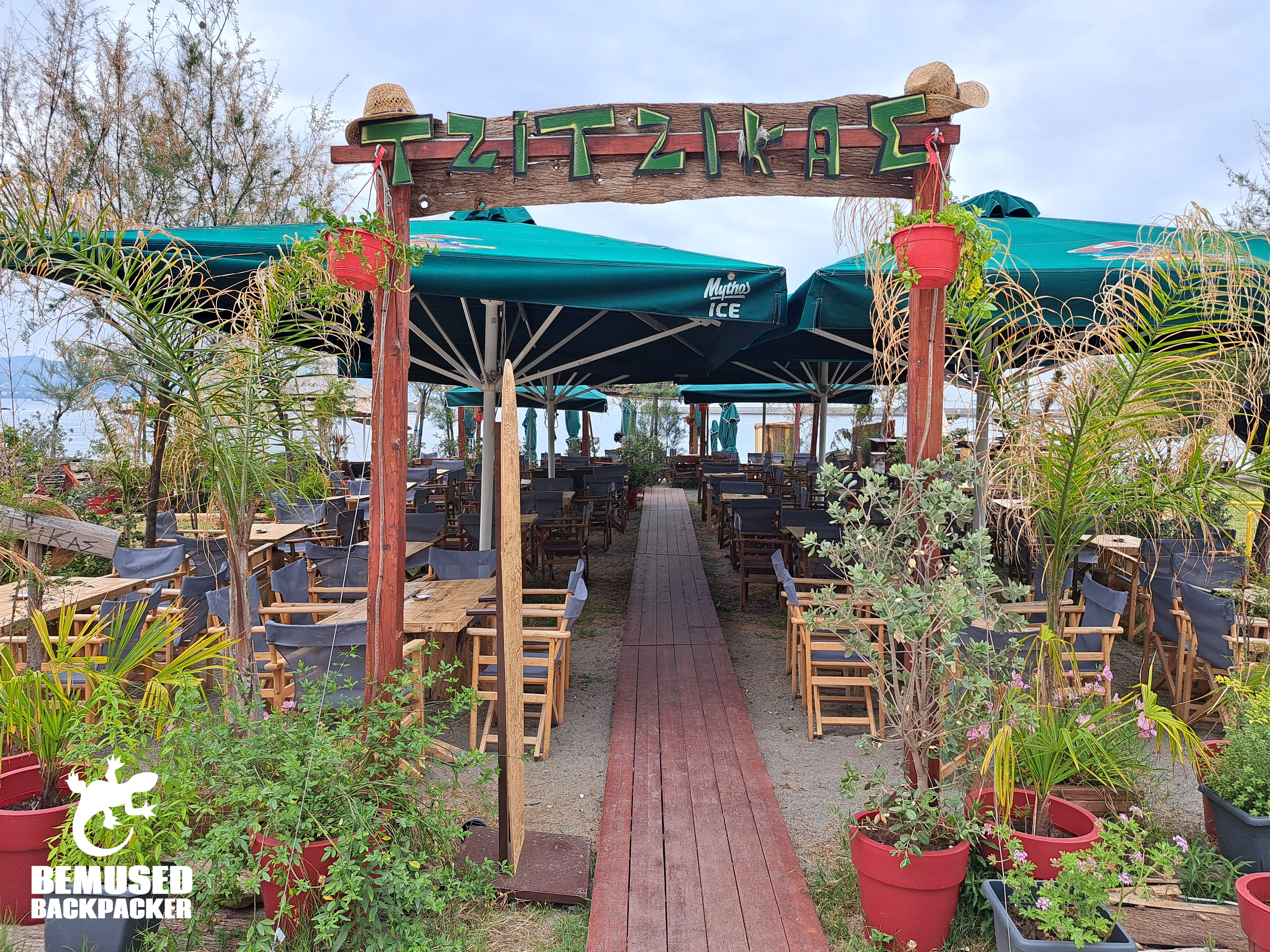
Kalamata is a coastal city with a large fishing industry in and around it, so it makes sense that the seafood here will be among the freshest, and tastiest, in Greece! Just take a walk down the promenade on the seafront and you will find plenty of epic beach side restaurants that are as atmospheric as they are perfect for sampling some amazing seafood dishes. They get pretty busy from late evening onwards but if you fancy a nice, quiet experience simply head down in the early afternoon when it tends to be quieter.
Explore The Central Market.
If you want to get to the cultural heart of any destination, a traditional market is a great way to do it! Especially if you want to explore a regions foodie offerings.
Kalamata central market has no less than 450 producers and vendors that sell a wide variety of local produce, including specialties like the famous Kalamata olives. If you visit you really do have to sample all of the local cheese and honey too! Thank me later!
Visit The Archaeological Museum Of Messenia.
You can’t visit anywhere in Greece without visiting an Archaeological museum or two, and Kalamata is no exception! The Archaeological Museum of Messenia is home to an extensive collection of local artefacts dating back from prehistoric times to the Byzantine era, including the famous mosaic from Koroni, which worships and celebrates the god Bacchus. There are a lot of interactive exhibits, making it a great choice for families, and is a great way to learn a little of the regions history before you go exploring.
Spend A Lazy Afternoon At Kitries Beach.
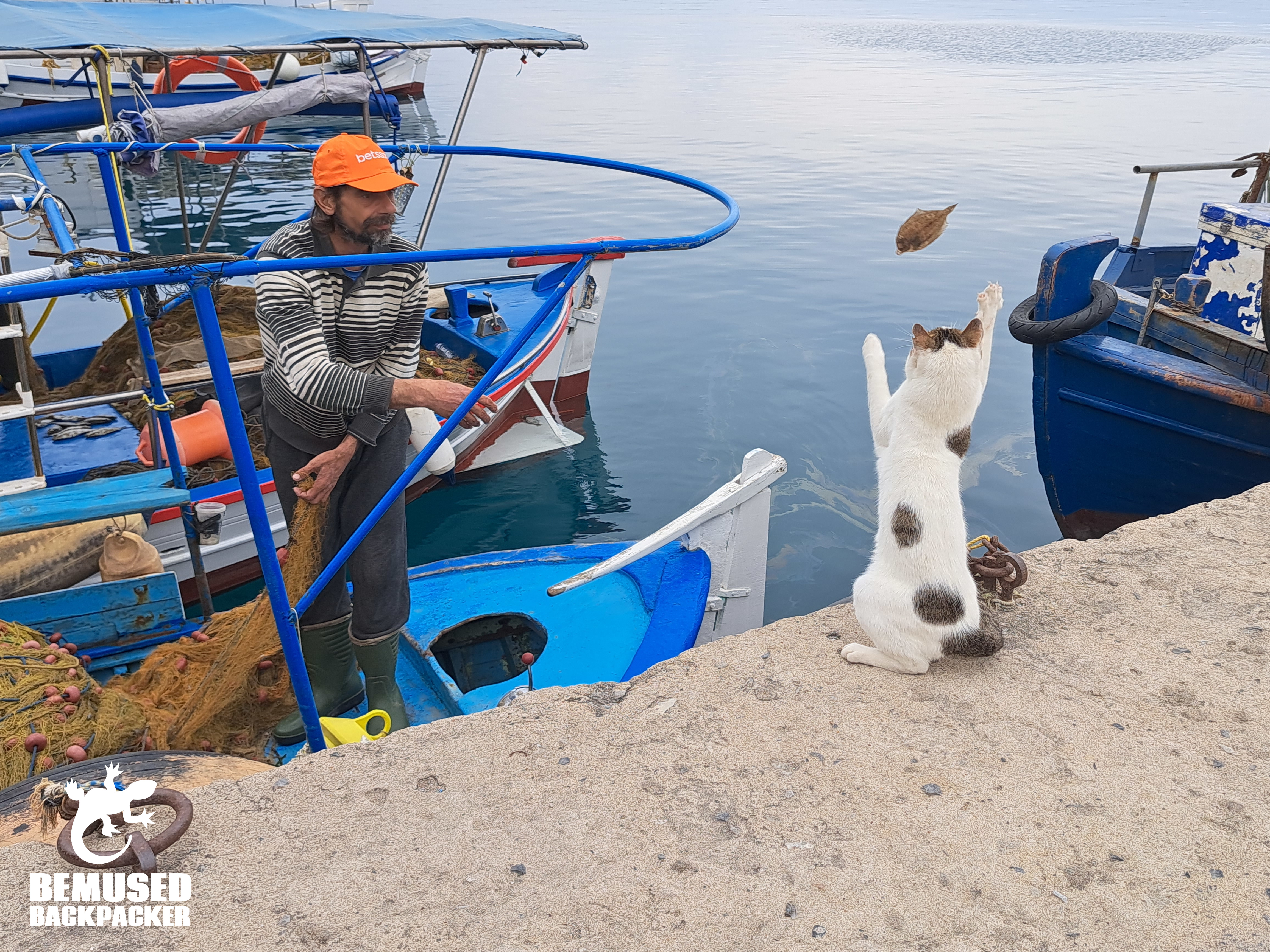
Right next door to Kalamata beach is Kitries beach, which is also home to the quaint fishing village of Kitries. The small bay of white pebbles and turquoise waters is surrounded by lush vegetation and a scattering of local homes and tavernas, with a steady supply of fresh seafood from the small dock.
Visit The Museum Of Traditional Greek Costumes.
This modern museum is run entirely as a private initiative in an effort to preserve the heritage of Greek culture through its national costumes and textiles. Each of the garments on display were painstakingly made by hand or carefully restored by local artisans and is well worth a visit!
Take A Street Art Tour.
Kalamata’s new town is a surprising haven for street art, with a number of local artists creating interesting installations at various spots around the city. Kalamata is not that big and a lot of it can easily be explored on foot, so you can simply wander the streets yourself and enjoy the surprise of a work of art or two as you dine and shop, or you can take one of the many local street art tours.
Hop Over To Bouka Beach.
Just a few miles away from Kalamata beach and on the same stretch of coast, this stunning coarse yellow beach is less gentrified than its neighbour and is often less crowded, despite it being constantly considered as one of the best beaches in the Peloponnese! There a a smattering of beach bars and tavernas, as well as a few organised sunbed areas along the 3.5km stretch of sand.
Visit Ypapantis Cathedral.
Sometimes just called the Church of Ypapantis, this stunning Byzantine style Cathedral, built in 1839, is not just an architectural landmark in Kalamata, but is also home to a holy icon of the Virgin Mary dating back to 672 AD. Severely damaged by the 1886 and 1986 earthquakes, the church has been extensively restored alongside the square bearing the same name.
Visit Kalamata Military Museum.
A great local museum for those more interested in modern history and militaria, there are tons of artefacts, uniforms and weaponry depicting everything from the Greek Resistance and Turkish occupation, through to WW2 and the Nazi occupation. It’s a really good idea to hop on one of the free English speaking tours by National Service recruits as most of the signs are in Greek.
Play At Mikri Mantinia Beach.
A short walk or taxi away from Kalamata beach is the small seaside settlement of Mikri Mantinia, with a picturesque, white pebble and sand bay overlooked by the scenic Mount Taygetos in the background. It is a great spot for grabbing a late seafood lunch in the cafes and tavernas, and there is also a water park here which makes it an ideal spot for families with children.
Enjoy The Nightlife.
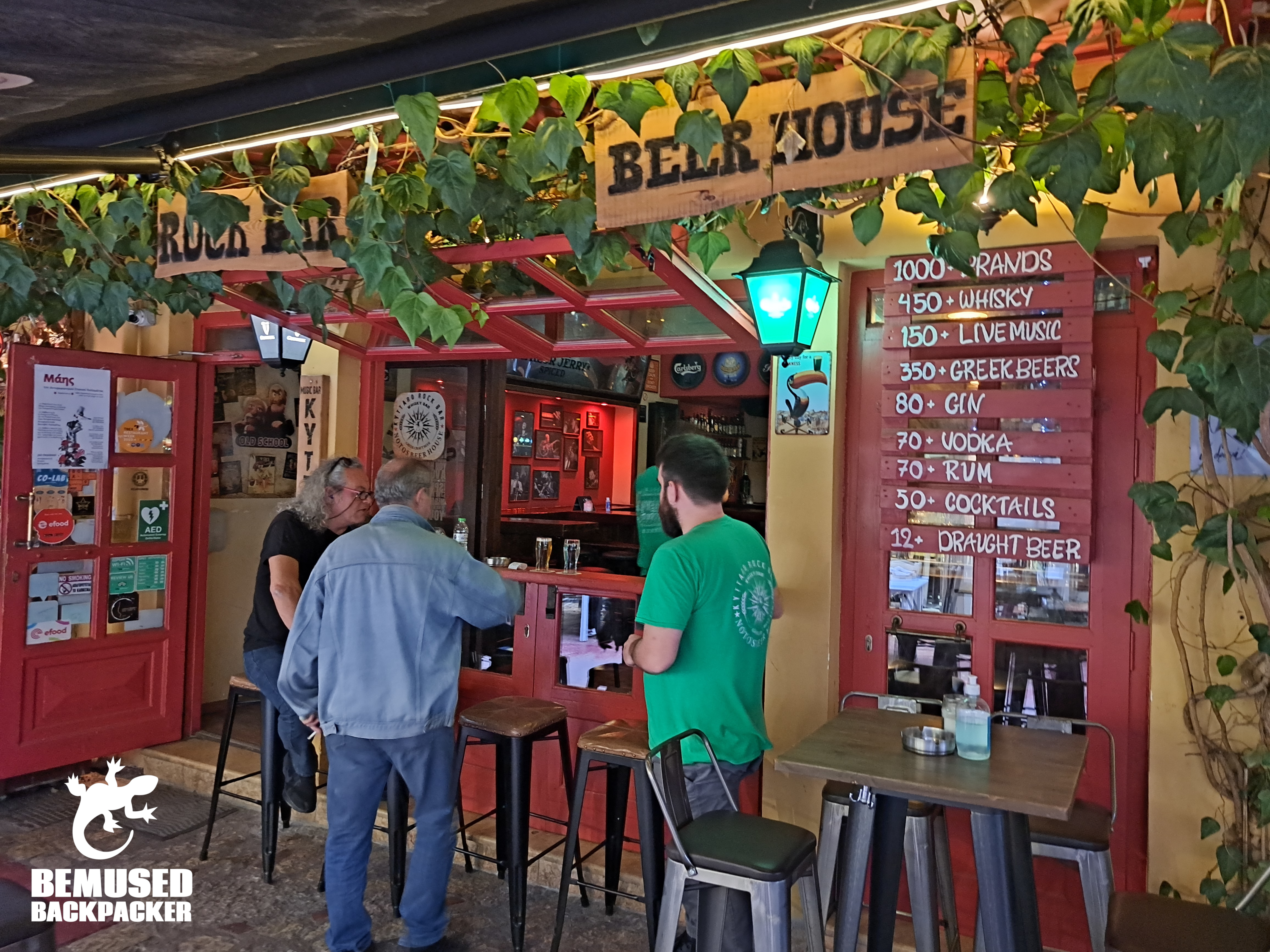
There are plenty of beach bars, cafes and tavernas all along the beach on the promenade, and further inland there are a surprising selection of bars, clubs and fast food places that will easily keep you entertained all night!
Did you enjoy this article? I would love to hear your thoughts in the comments section below or on my Facebook or Twitter pages and please feel free to share it with any or all of the social media buttons. If you want to get more great backpacking tips, advice and inspiration, please subscribe to updates via email in the box to your right.
Related Articles.
Dos And Dont’s For Travelling In Greece: Customs And Etiquette For First Time Travellers.
Getting Lost In The Footsteps Of The Knights Of Rhodes.
Hiking The Mythical Polilimnio Waterfalls In Greece.
Is Kalamata In Greece Worth Visiting?
The Cats Of Greece: The Purrfect Travel Companions.
Visiting Ancient Olympia In Greece: The Birthplace Of The Olympic Games.
Walking Through The Petrified Forest Of Agios Nikolaos In Neapolis, Greece.
What Happens When A Backpacker Goes On An All Inclusive Holiday?

Michael Huxley is a published author, professional adventurer and founder of the travel website, Bemused Backpacker. He has spent the last twenty years travelling to over 100 countries on almost every continent, slowly building Bemused Backpacker into a successful business after leaving a former career in emergency nursing and travel medicine, and continues to travel the world on numerous adventures every year.





 Bemused Backpacker
Looks like a great place to spend a few days! Are there lots of independent hotels near the beach or are they all resort type places?
Tons of them Will, at all budget levels. Honestly you’ll have no problem finding something to your taste.
That old town looks great. You can’t beat just wandering around, bar hopping and grabbing random bites to eat!
Especially the bites to eat part!
We were here last month and agree it is a highly underrated town (although in Greece I feel that anything outside of Athens or the major tourist islands is underrated!) I would seriously recommend basing yourself here to explore tge Peloponese.
I agree!
That cat!!!!
I know!
Is the whole stretch of beach pebble?
Not all of it, no. It gradually turns into sand as you head further toward the centre.
May be a bit too hot to go to Greece at the moment.
Not at all, its lovely. Just take sensible precautions.
Looks like a nice alternative to places like Athens. Would you say it’s as touristy?
As touristy as Athens? Absolutely not! It can get busy but has a far more local feel to it and certainly doesn’t get the crowds that the Acropolis and other sites do.