
Learn how to reduce the risk of theft and robbery while travelling with this practical, expert advice, keep your valuables secure, your belongings safe and avoid losing everything if something is stolen.
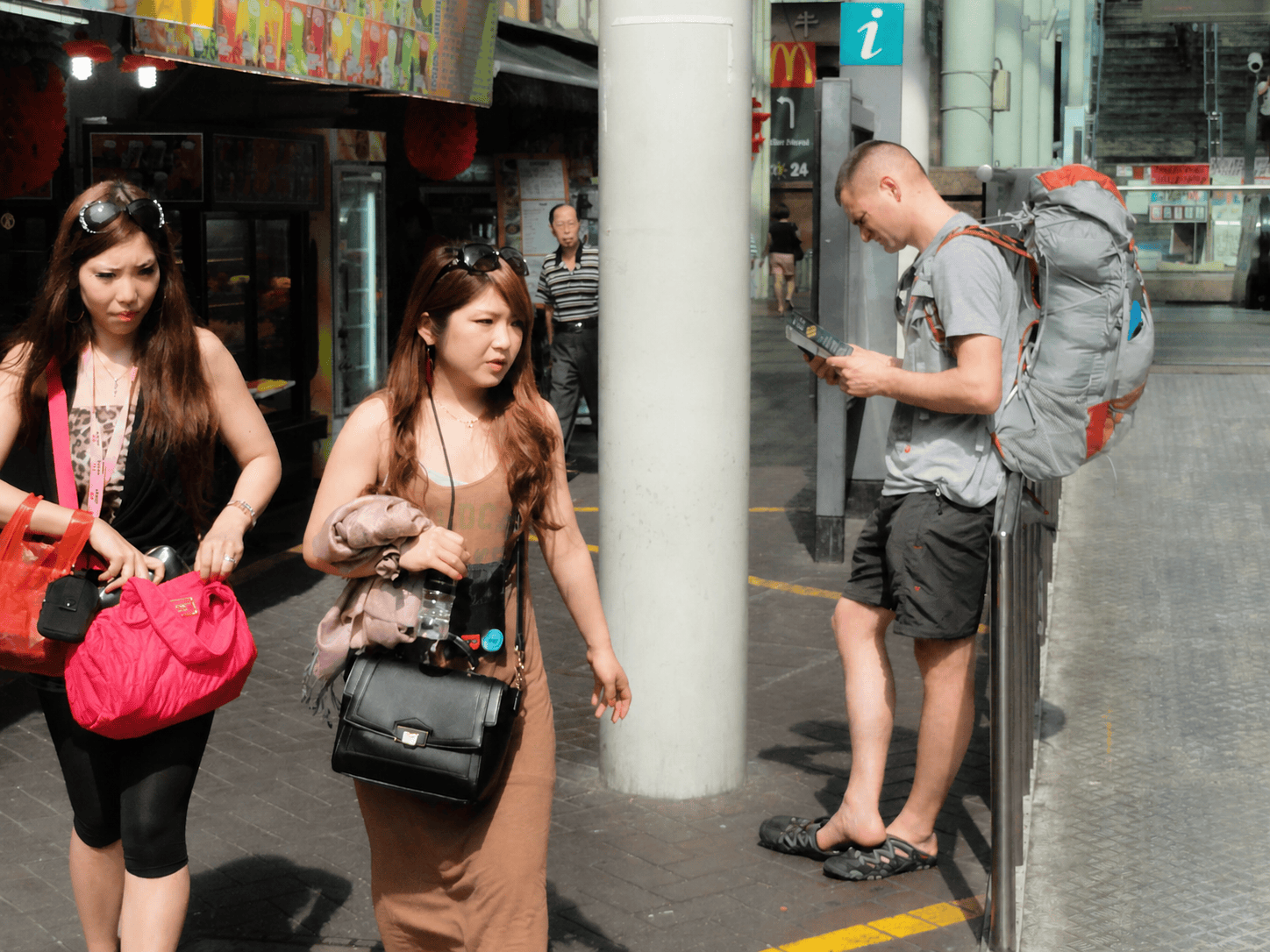
The fear of being robbed or having your belongings stolen is a common concern for travellers, particularly when your backpack holds everything you need for the trip. Losing money, bank cards, your passport or your phone can be stressful anywhere, but being abroad can make you feel immediately stranded and vulnerable, and can make it harder to recover access to essentials and work out what to do next. Travelling the world is generally very safe, and the risk of this happening are quite low, but you don’t want to take the chance, especially when minimising those risks can be so easy with some basic practical steps and a few sensible precautions. With this expert guidance you can keep your belongings more secure and limit the disruption if something is stolen.
How Can You Reduce The Risk Of Theft And Robbery While Travelling? Quick Answer
Reduce the opportunities for someone to steal from you by keeping your valuables secure, using suitable locks and storage, and developing a strong situational awareness, particularly in crowds or when your attention is divided. Separate your emergency cash and spare cards from your everyday wallet, and keep backups of essential documents and contacts accessible if your phone or bag is stolen. These precautions help reduce opportunities for theft and limit the disruption if it happens, but if someone uses force or threats to take your possessions, protecting yourself takes priority over protecting anything you are carrying.
Know Where Your Belongings Are Most Exposed
Most travel theft isn’t dramatic. There’s rarely a confrontation or an obvious moment of danger. Things simply go missing while your attention is somewhere else. The real problem is that no traveller can stay alert all the time. Constant vigilance is exhausting, it spoils the experience, and it doesn’t work anyway, because the moments that catch people out are the ones when they’re tired, rushed or distracted. That’s why knowing when your risk is highest matters more than any general advice to “be careful”. If you can predict those moments, you can save your extra effort for them and relax the rest of the time.
Keeping track of your belongings gets harder when you’re carrying a backpack through a crowded station, hunting for your accommodation after a long journey, or juggling bags while paying for a ticket. These are ordinary parts of travel, but they split your attention and can leave your possessions within easy reach of someone else before you notice.
The solution is to spot where those moments arise and secure your things before your attention is pulled elsewhere. Knowing when to take a little extra care lets you move through unfamiliar places with confidence, without feeling you have to watch everyone around you.
Crowds, Distractions And Opportunistic Theft
In a packed train carriage or busy market, people brush past you, bags knock against each other and someone squeezing through a gap barely attracts a second glance. That makes it harder to notice a hand reaching into an open bag or a wallet being lifted from a back pocket. You don’t need to avoid these places, in fact that would be impossible when travelling, but just being aware there is a raised risk level in these places can make you more aware and more prone to automatically secure anything easily accessible before you enter them. Close your zips, move your wallet into a secure pocket and bring a small backpack round to your front when the crowd gets tight, where you can see it and control access to it.
It’s not just heavy crowds either, distraction can leave your belongings exposed even when there is plenty of space around you. If someone approaches while you are paying for a meal, your attention may shift to the conversation while your phone remains on the table and your wallet is still in your hand. Put them away before you engage. The same habit helps when checking directions, taking photographs or stopping to help someone: secure your things first, then give the task your attention.
Sometimes that distraction is deliberate. Someone might point out a stain on your clothes and offer to clean it, spread a map across the table over your phone, or create a commotion while an accomplice approaches your bag. The useful thing to recognise is how the interaction affects your control of your belongings. If someone covers an item, tries to handle your bag or draws you away from it, interrupt what is happening and secure your possessions before deciding whether to continue.
Most conversations with strangers are simply part of the pleasure of travelling. You can be friendly, accept help and enjoy those encounters while keeping your bag closed and your valuables put away. Making that your normal habit means you don’t have to work out someone’s intentions before your belongings are protected.
Arrivals, Departures And Unfamiliar Surroundings
Airport arrival halls, bus stations and train platforms are places where your belongings can be particularly exposed. Crowds move around you, luggage changes hands and people come and go without attracting much attention. At the same time, travellers are occupied with collecting bags, checking tickets and finding their way. That combination gives an opportunistic thief both access to belongings and a distracted owner who may not notice something being taken until they have moved on.
Unfamiliar surroundings can create the same problem outside a transport terminal. Arriving on Khao San Road for the first time while looking for your hostel, you might be concentrating on your phone, searching for signs and responding to people offering accommodation or a lift. With a backpack on your back and your attention on finding the right address, you may be less aware of who is close behind you or whether someone is approaching an accessible pocket. Tiredness after a long journey makes that harder still.
Recognising these situations lets you give them a little more attention without spending your whole trip on guard. Before stopping to check a departure board or look up directions, notice where your bags are and who can reach them. If people are pressing close, bring smaller bags in front of you and keep them closed. When collecting luggage, follow your own bags rather than assuming someone else is watching them, and check that everything is with you before leaving.
If you need to study a map or sort out a booking, move somewhere you can pause with your belongings in view rather than remaining in the middle of a busy thoroughfare. Have a look around before giving your phone your full attention, and look up again as people move nearby. The purpose is to recognise when the surroundings make theft easier and adjust what you are doing, so you can find your way without losing track of what you are carrying.
During Transit
Long-distance buses, overnight trains and ferries can leave your belongings out of sight or within reach of other passengers for hours at a time. Your backpack may be in a luggage hold beneath the bus, on a rack at the end of a carriage or in a shared storage area while you sit elsewhere. Once you are separated from it, you have fewer opportunities to notice someone opening it or taking it away.
Stops create particular opportunities because people can access luggage while passengers are occupied with boarding, buying food or finding the toilets. A bag being removed from a bus hold does not necessarily attract attention; everyone expects people to collect their luggage. If yours is taken at an intermediate stop, you might not discover it is missing until you reach your destination, long after the person who took it has left.
Keeping a bag in the passenger compartment does not remove every opportunity for theft either. On an overnight train, a daypack on an overhead rack or beneath a seat may be close to you but still accessible while you sleep. The same applies when you leave your seat to use the toilet or become absorbed in a film. Other passengers come and go throughout the journey, and proximity alone does not mean you will notice someone handling your belongings.
The useful distinction is between knowing where your bag is and being able to keep track of what happens to it. Pay particular attention when luggage is loaded or unloaded, passengers change and you leave your seat. Before settling down to sleep, consider who can reach your belongings without waking you. Recognising those gaps in your awareness helps you decide what needs greater protection, rather than assuming everything is safe because it was beside you when the journey began.
Recognise Changes In The Situation And Act Early
Developing your situational awareness in places where there may be a raised risk of theft or robbery is one thing, but you also have to remember that risk is dynamic. It changes from one moment to the next, and you have to adapt to it. Your long-distance bus pulls over for a rest break and the hold door opens while some passengers collect their luggage, or a person you have been chatting to starts insisting you follow them somewhere quieter. Each situation changes what is happening around you, who can reach your belongings or how easily you can leave.
The precautions that were enough a few minutes ago may no longer be enough now. Your backpack was out of reach in a closed luggage hold, but people now have access to it while you are inside buying lunch. You checked your surroundings before withdrawing money, but someone is now close enough to see your PIN or distract you as your cash appears. A conversation you were comfortable having in a busy bar takes on a different tonewhen someone pressures you to leave with them. Recognising these changes gives you the opportunity to respond before your belongings or your safety become more exposed.
The good news is that if you have noticed this change, you’ve already responded to it in the most important way, you have raised your awareness levels. Knowing there is an elevated risk is the first step to avoiding or stopping it.
You do not need to wait until you are certain someone intends to steal from you before taking a precaution. Moving your bag, finishing a transaction before answering a question or ending a conversation are reasonable decisions you can make without accusing anyone of anything. The earlier you notice a change, the more opportunity you have to deal with it calmly, before you are rushed, separated from your possessions or drawn into a situation that is harder to leave.
Keep Your Valuables Under Your Control
Keeping your valuables under your control means knowing where they are and making sure someone cannot easily reach them or walk away with them while your attention is elsewhere. Simply having a bag nearby is not always enough. If someone can open it or pick it up without you noticing, its contents are still exposed, however reassuring it feels to have it beside you.
You can’t watch everything you own throughout the day, nor should you have to. How you carry your belongings and where you leave them should provide some protection when you are enjoying a meal, talking to someone or taking in the sights. A wallet in a secure pocket, a bag positioned where you can control access to it and valuables locked away when you do not need them all make theft more difficult without demanding your constant attention.
Carry Bags And Wallets Securely
One of the most useful principles in protecting your belongings is to put layers of protection between your valuables and anyone trying to take them. An exposed wallet or an open bag gives a thief very little to get past. Put that wallet fully inside a zipped pocket, or move your valuables into an inner compartment of a closed bag carried in front of you, and taking them becomes more difficult. Each layer adds another obstacle, takes more time to overcome and increases the chance that you will notice someone interfering with your belongings.
This is the principle of security in depth: several precautions working together, rather than relying on one measure to do everything. For a traveller, it can be as straightforward as choosing a secure pocket, fastening it and keeping it somewhere you can see or feel someone attempting to reach it. None of those measures makes theft impossible, but together they remove the easy access an opportunistic thief is looking for.
Keep wallets and phones in pockets that hold them fully, preferably with a zip or another fastening. An inside pocket or a zipped front pocket gives you more control than an open back pocket. With a daypack, place valuables in a closed inner compartment rather than an exposed outer pouch, then close the main compartment too. Keeping the bag securely positioned adds another layer by making those fastenings harder to reach unnoticed.
If you carry a shoulder bag, wear the strap across your body rather than letting it hang loosely from one shoulder. Keep the bag towards your front, with the opening facing inwards where practical, so someone cannot easily reach inside or slip the strap off your shoulder. In a packed carriage, busy market or tight queue, bring a small backpack round to your front as well. A closed compartment is more useful when you can also see someone trying to open it.
Choose arrangements that are comfortable enough to use consistently. If getting to your wallet is such a nuisance that you routinely leave the pocket unfastened, that layer of protection disappears. Ask yourself why you are accessing it so much anyway? Keep it safe and transfer a smaller amount of cash that you can use for smaller purchases to a front pocket so you can minimise the times you take your wallet out. Give everyday valuables a secure, accessible place, return them there after use and close everything before moving on. The aim is to make access straightforward for you and awkward for someone else, without turning every purchase into an excavation of your backpack.
Keep Belongings Close In Cafés, Bars And Public Spaces
When you stop for a meal or a drink, it is natural to put your bags down and relax. Your phone stays on the table after you check a message, your daypack goes on the spare chair and your attention turns to the menu full of amazing looking food or the people you are with. In a busy café or bar, waiters may brush past you, people are getting up and down and new people are coming in all the time, so someone passing your table barely registers. This is normal behaviour, but it can also be what an opportunistic thief or a scumbag con artist watches out for. Your belongings are within reach while your attention is elsewhere, and the movement around your table makes it easier to take something without attracting notice.
Their is no need to become overly paranoid about this, theft like this is still rare, but getting used to some good habits early on will make it significantly harder for anyone to do a runner with your bag or phone if they do decide to try it. And it’s nothing too onerous either. Basically all it boils down to is making sure nothing is visible or easily liftable.
Phones are one of the easiest things to lift, how many times have you put it down on the table while you tuck into your meal or take a drink and not given it a second thought? The same thing with your backpack on the opposite chair or even worse, hanging off the back of the one you are sitting on, can anyone just walk past and pick it up?
Putting your phone away after using it and returning your wallet to a secure pocket after paying removes two items that someone could otherwise take without even stopping beside you. Keeping valuables put away lets you enjoy the conversation or your food without having to notice every hand that comes near the table.
A bag hanging over the back of your chair is easy to approach without you seeing, particularly if its pockets face outwards or its strap can be lifted straight off. Bag hooks or security clips are good ideas, but where these aren’t available keep it in sight, either on the chair next to you, preferably next to a wall and away from foot traffic, or between your feet where you can feel it, and wrap one of the straps around the table leg if you can. This way someone can’t just grab it and run. An opportunistic thief relies on speed and an unnoticed departure, and making either more difficult removes much of the advantage of targeting a distracted person.
When you leave the table to order or use the toilet, take your belongings with you or ask a trusted companion to watch them. Make sure they have heard you rather than assuming they will notice someone approaching your bag while they are absorbed in their own conversation.
Be Discreet With Your Valuables
No one is saying you can’t use your smartphone or take pictures with that fancy new DSLR. Of course you will. You brought them along for a reason, after all, and from time to time you will have to take out your wallet or purse to pay for something too. But most people can be a little smarter about how they do those things, so using a valuable item does not unnecessarily advertise everything they have with them.
Being discreet means limiting what other people can learn about your valuables simply by watching you. Someone looking for an opportunity to steal benefits from knowing what you have, where you keep it and how easily they could get to it. Pulling out a wallet bulging with notes to pay for a mango juice reveals far more than the transaction requires. Having a little spending money accessible, with your main reserves stored separately, lets you buy the same drink without showing everyone nearby enough cash to fund the next fortnight.
That principle extends to the way you organise your bag. If getting your camera out means opening a compartment containing your passport, wallet and other electronics, you expose several valuables every time you want a photograph. Keeping the camera accessible without having to unpack everything else allows you to use it freely while the rest stays concealed and secure. You are reducing both what someone can see and the time during which they could reach it.
And once you have finished using something, leaving it on display serves little purpose and gives people longer to notice it. A camera hanging behind you as you browse a market or a phone held loosely while you study street signs remains visible and potentially accessible even though your attention has moved elsewhere. Putting it away closes that opportunity until you need it again. A plain daypack can help for the same reason, carrying your equipment without announcing its contents as clearly as a conspicuously branded camera or laptop bag.
How discreet you need to be will depend on your surroundings. Using a camera at a busy attraction is entirely ordinary, while displaying expensive equipment on a quiet walk back afterwards may deserve more thought, particularly if local advice warns of theft or robbery in that area. You can enjoy the things you brought and still choose when to put them away. The useful habit is to show what you need for what you are doing, without giving an interested observer a running inventory of everything you own.
Hidden Pockets, Money Belts And Concealed Storage
Travellers need to carry money, cards and sometimes their passport while exploring, but keeping them handy can also make them easy for someone else to reach. Concealed storage lets you keep those essentials with you without leaving them in an exposed wallet or an accessible outer pocket. The most useful options hide where your valuables are and put another barrier between them and anyone trying to take them.
I am a big fan of hidden and internal pockets and use them a lot. A concealed zip inside a jacket or shirt, or a second zipped pocket inside a normal shorts or trouser pocket, gives you somewhere to keep valuables without advertising their location. All my pockets have zips, because an open pocket offers very little resistance to a hand reaching inside. With a hidden pocket, someone first has to locate it, then reach it and undo the fastening, making access more difficult and increasing the chance that you will notice.
The same idea works inside a backpack. A secret internal compartment keeps small valuables away from the obvious places someone might search first. Another option is a flat waterproof pouch beneath an internal waterproof liner. Someone would have to lift out the liner and unpack the bag to discover what is underneath, rather than finding it by opening a zip and having a quick rummage. This can also protect documents and notes from moisture, humidity or being left on an airport tarmac in the rain for three hours while everyone waits for their luggage, so that’s a bonus layer of protection. Now it isn’t perfect of course, anything concealed inside a bag will disappear if the whole bag is taken, and it won’t stop a truly determined thief from taking your bag apart once they do, but it does provide one extra layer of protection on top of many others that will deter most attempts.
Despite my love for hidden pockets, I don’t generally recommend traditional money belts or neck pouches. They put valuables in familiar locations that thieves targeting tourists will home in on instantly, and even if it is a random robbery, a visible strap, a bulge beneath clothing or reaching under your shirt can give away exactly where they are. A thief familiar with travellers does not need to see the contents to recognise what you are wearing. These products depend on remaining genuinely concealed and no one knowing about them, which let’s face it, money belts aren’t.
I would avoid neck pouches altogether for another, even more dangerous reason. They can give an attacker something to grab and use to choke or control you, and you don’t need CQB, MVA or martial arts training to tell you giving your enemy a potential weapon is a bad idea! Hidden pockets work much better and let you conceal your valuables without giving someone a strap they can use against you.
There are some exceptions to this rule. There are a few pouches designed for women that attach to a bra and aren’t as immediately obvious. These offer a better alternative for women because they avoid the usual waist and neck positions, but these are not as common. If you do use them, they still need to sit comfortably and discreetly. Overfilling one can make it bulky, visible beneath clothing and awkward to wear, defeating much of the reason for choosing it.
Whatever concealed storage you use, avoid revealing it every time you pay for something. A hidden pocket is much less useful once everyone nearby has watched you open it and remove a bundle of notes. Keep routine purchases separate from anything you want to remain concealed, and access those reserves somewhere private when necessary. That lets the concealment keep doing its job while you get on with your day.
Use Hostel Lockers, Room Safes And Secure Storage
Most backpackers and travellers will at some point want to leave their pack and at least some of their valuables somewhere secure while they go off exploring. That might be in a hostel locker, a hotel room safe or a luggage room at reception after checking out. You don’t want to carry everything around all day, and suitable storage should let you enjoy yourself without wondering whether your belongings will still be there when you return.
The important thing is to understand what makes that storage secure. A backpack left on your dorm bed is still accessible to anyone entering the room, and putting it behind a private room door does not prevent access by staff or someone with a key. A locker or safe provides another barrier, keeping valuables out of sight and making them harder to reach. Its usefulness depends on the strength of the container, how it is secured and who can open it.
With a hostel locker, look beyond the padlock to what it is actually locking. A strong lock on a damaged door or loose fastening gives a reassuring appearance without offering much resistance. Check that the door closes properly, the hinges and fastening are intact and there are no gaps through which someone could reach your belongings. If something is broken, ask for another locker rather than assuming it will be fine because everyone else is using them.
My advice is to treat that locker as one layer of protection, rather than relying on it to do everything. Your main pack can still be secured with a steel cable to a sturdy anchor point inside a locked hostel underbed bin, making it harder to remove if someone gets the bin open. Your passport or an emergency money stash can also be concealed in a zipped secret pocket inside the pack, rather than sitting in an obvious outer compartment. Someone getting past the first lock would then have more obstacles to overcome before reaching what matters.
Concealment alone will not protect against someone taking the whole bag, just as a cable will not necessarily stop someone searching an accessible compartment. Nothing is perfect. It’s about adding as many layers of security as you possibly can to make it as difficult as possible to steal anything useful. Combining these thing with suitable locked storage makes each precaution more useful. You are making your belongings harder to find, harder to reach and harder to carry away, without needing to stand guard over them.
A hotel safe deserves a similar check before you trust it with your valuables. Make sure it works and that you can set your own code, following the instructions rather than leaving a default combination in place. It should also be securely attached, since a small safe that can be lifted out of a wardrobe could be taken away and opened elsewhere. A functioning, fixed safe can be a useful precaution against opportunistic theft, but the word ‘safe’ on the front is not a guarantee of security.
If you use luggage storage at reception, which can be seriously useful at times, just be aware that it can vary considerably. Some places keep bags behind a staffed desk and issue collection tickets; others direct guests to an unlocked room where anyone can help themselves. Before leaving your pack, ask who can enter the storage area and how staff check that each bag goes back to its owner.
If the storage is damaged, freely accessible or poorly managed, ask what else is available. You may be able to use another locker, arrange storage behind reception or keep essential valuables with you while leaving clothes and other replaceable items in the luggage room. The aim is to find an arrangement you have good reason to trust, so you can leave your pack behind and get on with exploring.
Protect Your Belongings In Transit
Protecting your belongings during a journey means accounting for the periods when you cannot watch them. You may have to put your main backpack in a bus hold, leave luggage on a train rack or sleep while other passengers come and go. Keeping everything in sight throughout the trip is rarely realistic, so your precautions need to keep working when your attention is elsewhere.
The aim is to make your luggage harder to access or remove while keeping the things you cannot afford to lose under closer control. Separating essential valuables from stored luggage, securing your bags appropriately and planning where they will go before you settle down can help you rest and enjoy the journey without relying on staying awake to keep everything safe.
Keep Essential Valuables With You
Your main backpack will usually contain plenty of things that would be inconvenient to lose but relatively straightforward to replace. Clothes, toiletries and that travel towel which probably should have been washed three countries ago fall into a different category from your passport, bank cards, phone and essential medication. Those are the things you depend on to keep travelling, and they deserve closer control than luggage stored beneath a bus or at the other end of a train carriage.
Before handing over your main pack, put those essentials in a smaller bag that stays with you. This is essentially your bug out bag, holding the things you cannot afford to lose access to if you become separated from the rest of your luggage. Having it ready before boarding also avoids opening your backpack and sorting through valuables while a driver is trying to load it.
Your main pack can then go into the hold or luggage rack while you keep the smaller bag under your control. You can still watch where the larger pack is loaded, observe it from your seat where possible and check it when luggage is being moved, without depending on that supervision to protect your most important possessions. You will not always have a clear view of it, which is precisely why those essentials should remain with you.
This reduces both the exposure of your valuables and the consequences of someone taking your main pack. Losing clothes and equipment would still be frustrating, but keeping your documents, money, communications and medication with you leaves you in a much stronger position to deal with it.
Keep Your Bug Out Bag Close And Difficult To Access
Your smaller bug out bag stays with you when your main backpack goes into the hold or luggage rack. Keeping it on an aisle seat or putting it overhead, however, still leaves those essential belongings within reach of people passing through the vehicle. Tucking it between your body and the window puts you in the way of anyone trying to reach it, giving it more protection when your attention wanders or you fall asleep.
I always try to book two seats if I can, giving me more room to settle in and keep my main carry on backpack next to me instead of the hold. But when I can’t, my separate smaller bag can always be squeezed down between my body and the window. I often lean on it or sleep against it, so someone approaching from the aisle would have to reach past me and interfere with a bag I am physically resting on. Even with a single seat, a compact bag can often fit snugly down your side rather than having to go on a luggage rack.
I also secure it to a suitable fixed part of the seat with a steel cable lock and pull its waterproof rain cover over it. The cable makes it harder to take the whole bag, while the cover conceals the zips and adds another obstacle to opening it. If someone does somehow manage to get past me, they then have to cut the steel cable, move the cover and access a compartment without disturbing me.
Again, a rain cover will not stop a determined thief, but it can make an otherwise accessible zip more awkward to reach. Combined with the cable and the bag tucked against my body, it gives me several layers of protection while I rest, rather than depending entirely on noticing someone’s hand near my belongings.
Manage Luggage During Boarding, Stops And Collection
Loading and unloading are the moments when your luggage passes out of your hands and can become difficult to keep track of. At a busy bus station, several backpacks may be piled beside an open hold while the driver loads them. On a train, passengers might move bags around to make space on a shared rack. When everyone is concentrating on getting aboard or finding their own luggage, someone picking up the wrong bag may go unnoticed, whether it is an honest mistake or deliberate theft.
Watch where your pack is placed before you board, rather than handing it over and assuming it has gone into the right vehicle. If luggage tags or collection tickets are issued, keep yours until you have retrieved the bag. A distinctive strap, patch or other identifying feature can also help you recognise your pack among similar ones and make it less likely that another passenger will mistake it for theirs.
During the journey, pay attention when luggage is being moved at intermediate stops, especially if the driver makes constant ‘unofficial stops’ to pick up random people off the street or stop at his family home for a drink. Yep, it happens. If you can see the hold or rack, check that your pack remains there as passengers collect their belongings, or at least try and watch the bags that come in and out of the hold. You can’t supervise every bag throughout the trip, but knowing where yours was placed gives you something specific to check when the doors open. If you notice someone moving it, ask whether they have the right bag while you can still resolve the situation with the driver or transport staff.
Older backpackers may remember the warnings about thieves hiding in the luggage holds of some long-distance buses, particularly on major tourist routes in Thailand and SEAsia, and searching through packs while their owners sat above them. How frequently that particular method happens today is impossible to say, but the vulnerability it exploited is still there. Watching your bag being loaded does not mean you can see who accesses it during the journey, and a backpack returned at the right destination may still have valuables missing from inside. Keeping essentials with you and securing the main pack gives you protection beyond simply checking that the bag is still there.
At your destination, collect your luggage and organise it properly before becoming occupied with arranging a taxi, checking directions or discussing accommodation. Check that it is yours and that all the bags you handed over have been returned, then keep them together while you organise the next part of your journey. If a pack is missing or appears to have been opened, raise it with staff there and then. You have a better chance of finding out what happened while the vehicle, driver and other passengers are still around.
Use Steel Security Nets, Cable Locks And Padlocks
When your main backpack has to go in a luggage hold or on a rack away from your seat, you cannot rely on watching it throughout the journey. Securing the pack itself gives you some protection while it is out of sight or your attention is elsewhere. A thief then has more to deal with than an accessible zip or a bag they can simply pick up and carry away.
I absolutely love steel security nets for backpacks. I think they are amazing inventions, and my 25-year-old Pacsafe is still going strong. The net fits around the pack, creating a steel mesh barrier that makes it harder to open compartments, pull items out or reach the contents by cutting the fabric. Its integrated cable also lets you secure the whole thing to a suitable fixed object, protecting against someone taking the bag as well as searching through it.
The downside is the weight and bulk. As much as I like mine, I rarely use it now because it is not particularly suited to travelling with carry-on luggage only. For a longer journey with a larger backpack, however, a steel net can still be a great piece of kit, especially if you expect to spend plenty of time on overnight transport or leave your pack in shared storage. Whether it earns its place in your luggage depends on how you travel and how often you will use it.
The next best thing is a steel cable lock on its own. These are light, strong and invaluable for securing a pack to a suitable fixed object, whether that is a bus seat leg, a luggage rack or a sturdy part of a hostel locker or underbed bin. I always travel with one, without fail. It takes up little room and gives me a straightforward way to make my bag harder to walk away with in all sorts of situations.
Check that whatever you attach it to is secure and that the cable cannot simply slide off, and thread it through a strong, permanently attached part of your pack rather than a removable strap. A cable does not prevent someone opening the bag, but it removes the easy option of taking the whole thing elsewhere to search at leisure. That makes it useful alongside closed compartments, concealed valuables and suitable storage.
Good, solid padlocks are essential pieces of kit too, and I always think it is worth carrying a spare. You may need one for your bag and another for a hostel locker, or find that a particular fastening will not accommodate the lock you normally use. Choose something sturdy with a long shackle that fits the places you intend to use it. On a backpack, a padlock makes casual access through compatible zip pulls harder, although the zip and fabric remain weaker than the lock itself.
These pieces of equipment complement each other because they obstruct different ways of stealing from you. A locked compartment takes more effort to open, a steel net puts a barrier around the pack, and an anchored cable makes the whole bag harder to remove. Used alongside the habits already covered, they give an opportunistic thief more obstacles to overcome while allowing you to get on with the journey.
Separate Your Money, Cards And Essential Documents
Separating your money, cards and essential documents will not prevent someone stealing your wallet, but it can stop that theft leaving you stranded without the means to look after yourself. Losing some cash and a card is frustrating. Losing every way to pay for food, accommodation or transport, along with your identification and means of contacting help, creates a much more serious problem. Good travel safety advice should help you reduce the likelihood of theft and protect you from its worst consequences if it happens.
Keep a small amount of cash readily accessible for everyday purchases, with more spending money and one payment card in a secure wallet or pocket. This lets you buy a drink or pay a bus fare without exposing your main reserves. A second card and emergency cash should be stored separately, somewhere secure that would remain accessible if your everyday wallet disappeared. A further small cash reserve elsewhere can give you another option, provided you can keep track of it and spend or exchange it where you are travelling.
Putting everything in different compartments of the same bag does not offer that protection if the whole bag is taken. Think instead about what you would have left after losing a particular item. While you are out exploring, suitable locked storage at your accommodation may protect a backup card and cash. During a journey, you may need to distribute reserves between secure pockets and your bags. Adjust the arrangement as you move, rather than bringing every reserve together for convenience when you pack.
You can extend that protection to the accounts behind your cards. A separate spending account holding a limited balance, topped up as needed, reduces the funds immediately available through the card you use most often. Keeping your main funds elsewhere means a problem with that spending account is less likely to affect the money you rely on for the rest of your trip or commitments at home.
Digital wallets can add another layer of security to everyday payments. Supported mobile card payments use a payment token rather than sharing your actual card number with the merchant, and typically require approval through your fingerprint, facial recognition or device passcode. This reduces exposure of your card details and makes the payment function harder to use if someone takes your locked phone. Protect the device and wallet properly, however, and keep physical alternatives available. A stolen handset, flat battery or terminal that does not accept mobile payments should not leave you unable to pay.
An emergency fund should be enough to give you practical choices when you need them. Depending on your circumstances, that might mean several nights in secure accommodation and a flight home or onward to somewhere safe. Some travellers keep this money in a separate account; others use a credit card with sufficient available credit. Whichever you choose, make sure you understand how you would access it if your usual card or phone were missing. Money you cannot reach will not help you book a room when you need one.
Treat document backups in the same way. Keep secure digital copies of your passport, insurance details and important bookings, alongside essential contact numbers available offline. Copies stored only on your phone disappear from your reach if that phone is stolen, while an online account may be difficult to open if its verification codes also go to the missing device. Arrange another way to access that information before travelling. Passport copies do not replace the original for crossing borders, but they can help when reporting its loss and arranging a replacement.
You do not need an elaborate collection of hiding places or a complicated banking system. You need an arrangement that leaves you with usable funds, essential information and a way to get help after something goes missing. That preparation can make the difference between a theft you have the resources to deal with and one that leaves you dependent on others for your immediate safety and basic needs.
Protect Your Phone And Your Access To Help
I still maintain that travel was better before mobile phones, although trying to convince someone of that while they book a room in thirty seconds and check exactly when their bus is coming is a losing battle. Smartphones have become an incredibly useful part of modern travel. Your maps, tickets, accommodation bookings, banking and contacts can all fit in your pocket, saving you time and making it easier to find your way through unfamiliar places.
The downside is how much you can lose access to if that phone is stolen. You may need it to contact your bank, retrieve a booking or receive the verification code that lets you sign into an account from another device. Someone who manages to unlock it may also gain access to sensitive information and services, turning the theft of a handset into a much bigger problem.
Protecting your phone involves a lot more than keeping it out of a thief’s hand. Securing the device and its accounts limits what someone can do if they take it, while preparing a way to manage without it keeps you from being stranded by its loss. A little work before travelling can save you a great deal of difficulty when the tool you normally use to sort everything out is itself the thing that has gone missing.
Reduce Opportunities For Phone Snatching
Because smartphones have become so important to everyday life and travel, having one snatched is a threat worth taking seriously. Travellers use them to take photographs, check directions, arrange transport and keep in touch, often while standing in unfamiliar public places. Your attention may be on framing a photograph or finding your booking while the handset is exposed in your hand. Someone approaching on foot, a bicycle or a moped can take advantage of that distraction, grab it and escape before you have time to react.
You do not need to stop using your phone, but look around before becoming absorbed in it. When checking a booking or writing a message, stop away from the kerb and passing foot traffic rather than walking along with your eyes on the screen. Standing with a building or wall behind you makes it harder for someone to approach unseen from behind. Moving away from the road also helps, although thieves on bikes and mopeds can mount the pavement, so distance from traffic should not be your only precaution.
Taking photographs naturally draws your attention towards what is in front of the lens. Before framing the shot, notice who can pass close to you, particularly if you are beside a road or facing away from a busy walkway. Once you have taken the photograph, put the phone away before moving on. Reviewing pictures or uploading them can wait until you are somewhere less exposed, rather than keeping the handset out while your attention remains on the screen.
For a longer call, going hands-free lets you keep the phone in a secure pocket or bag while remaining aware of your surroundings. Whatever you are using it for, returning it to secure storage afterwards gives someone less opportunity than leaving it loosely in your hand throughout a walk. These habits reduce your reliance on spotting an approach or reacting quickly enough to stop a snatch.
If someone does take it, chasing them or trying to pull it back can turn the loss of a handset into an injury or confrontation. Get yourself somewhere safe, then use your backup arrangements to protect your accounts and report the theft. Having those preparations in place gives you a way to recover from the loss without putting yourself in further danger.
Secure Your Device And Sensitive Accounts
Secure Your Device And Sensitive Accounts
Someone stealing your phone may be interested in far more than selling the handset, and it is important to protect everything on it as well as the phone itself. Your banking apps, email and stored documents can give phone-thieving scumbags access to money and personal information, particularly if they take it while it is unlocked or have watched you enter the passcode. The last thing you want is for a stolen phone to also give them access to everything you use it for.
That protection starts with a strong screen lock, but it also depends on how you unlock the device in public. A complicated passcode offers little reassurance if someone has watched you type it. Using fingerprint or facial recognition reduces the need to enter your passcode where someone could see it, and shielding the screen when you do need to type helps keep it private. Set a short automatic locking period too, so your phone does not remain unlocked unnecessarily when you stop using it.
Even if someone gets into your phone, separate security on your banking apps and sensitive files can help prevent them reaching your money and personal information. Use your bank’s additional authentication, choose a banking PIN different from your phone’s passcode and keep passwords and recovery codes in protected storage. Hide sensitive message previews on the lock screen too, so verification codes cannot be read without unlocking the device.
Give your email account the same attention as your banking, because it may be used to reset passwords for other accounts. Protect it with a strong, unique password and two-step verification, with a recovery method you can access without the missing phone.
Avoid leaving sensitive accounts signed in simply for convenience. Sign out of banking and other sensitive browser sessions when you have finished, and set apps to require fresh authentication when reopened wherever that option is available. Someone who gets past your phone’s lock should not find your accounts already open and ready to use.
Enable your phone’s built-in theft protection before travelling, so someone who steals it has more difficulty changing security settings or taking over your accounts. Set up tracking and remote locking too, giving you a way to locate and lock the handset from another device if it disappears. Keeping the phone and its apps updated helps close security weaknesses that could otherwise undermine those protections. If tracking reveals the phone’s location, give that information to police rather than attempting to recover it yourself.
One of the best things you can do is prepare as though you don’t have a phone. You should be able to access essential accounts, retrieve bookings, contact your bank and mobile provider, and remotely lock the handset from another device as quickly as possible. Check those options before travelling, especially where signing in normally requires approval or a code on your phone. Keep the necessary contact details and the handset’s IMEI separately, so you can act immediately rather than discovering that every route to help depends on the device you have lost.
Prepare To Manage Without Your Phone
If your phone disappears, you still need to find somewhere to stay, pay for transport and contact people who can help. Securing your accounts protects against someone misusing them, but you also need to be able to manage the next few hours without the device you normally reach for. A little preparation can save you from having to work out every alternative while you are upset, tired or standing somewhere unfamiliar.
Keep the address of your accommodation and a few essential contact numbers available on paper. I carry a small emergency contacts notepad for exactly this reason. It does not need to contain your entire itinerary, but it should give you enough information to reach your accommodation, contact someone you trust and get in touch with your bank, insurer or mobile provider. Include international dialling codes and the numbers intended for calls from abroad, so the details are usable wherever you are.
For journeys where you depend on a mobile ticket or booking confirmation, check what the operator accepts before travelling. A printed copy may be useful, but some tickets require a live app or a particular barcode, and a screenshot will not always work. Knowing the alternative collection or verification process gives you something to ask for if you arrive without your phone, rather than assuming a booking reference alone will get you aboard.
A trusted person at home can also help retrieve information, contact providers or arrange practical support. Agree how you would reach them from another number and make sure you know that number without needing your phone’s address book. They do not need access to your banking passwords to be useful, and you should not have to share sensitive login details to build that support.
If you carry a second device, check that you can use it to reach the services you need. If you do not, think through where you could safely borrow a phone or arrange internet access, such as through your accommodation. Avoid saving passwords on a borrowed device and sign out when you finish. Combined with the independent money reserves already covered, these arrangements give you a way to get settled, contact help and organise a replacement without making your immediate wellbeing depend on recovering the stolen handset.
How To Deal With Mugging And Violent Robbery While Travelling
Having your belongings stolen is one thing. Being threatened or attacked by someone trying to take them is quite another. The loss of a wallet or backpack can be stressful and disruptive, but a violent robbery puts you at risk of being hurt, and that changes the nature of the threat and your response to it.
Understanding how these situations can develop gives you a better foundation for avoiding them, minimising the risk to yourself and making decisions under pressure. Throughout any confrontation, however, your life and personal safety take priority over anything you are carrying. The aim is to get away safely and unharmed, reach somewhere secure and find the help you need to deal with what has happened.
Keep Your Risk Of Mugging And Violent Robbery Low
Mugging and violent robbery are relatively rare experiences for most travellers in most places, but understanding what increases your exposure can help you keep that risk low. You do not need to regard every unfamiliar street or stranger as a threat, or approach every destination with the same level of caution. You do need to understand how your surroundings, your behaviour and the choices you make can give someone an opportunity to approach, isolate or surprise you.
Local knowledge helps you judge situations that might otherwise seem harmless. A short walk back to your hostel may look straightforward on a map, but that tells you little about whether the route follows busy, well-lit streets or cuts through a deserted park. Ask accommodation staff which routes they recommend after dark, whether there are streets or areas to avoid and what transport they would use themselves. Specific questions are more useful than simply asking whether the city is safe, because conditions can vary from one street to the next.
Somewhere you enjoyed exploring during the day may feel very different once the shops close and people leave. Plan your return journey before heading out, including where to catch transport or how to arrange a reputable taxi or rideshare, and keep enough money available to change your plans. If the route is quieter than expected or you feel uncomfortable, you can then take another way back rather than feeling obliged to walk because it is the cheapest option. Making those decisions beforehand is much easier than trying to work them out when you are tired, distracted or several drinks into an evening.
Situational awareness helps you recognise when the route or situation in front of you no longer matches what you expected. Notice if the street is becoming quieter, the lighting is poor or the places where you could ask for help are closing. Keep an eye on how people move around you too. Someone walking in the same direction is ordinary, but a person repeatedly matching your turns, closing the distance when you move away or trying to steer you somewhere isolated gives you a reason to reconsider where you are going.
If you are concerned, move towards an open shop, staffed hotel or another busy place where you can speak to someone and arrange help or transport. Avoid continuing into a quiet alley or leading someone back to where you are staying if you think you are being followed. Keep enough distance to change direction where possible, and do not stop to confront someone or investigate their intentions. You do not need proof that a robbery is being planned before taking a precaution. Acting while you have space and people nearby gives you more options than waiting until someone is close enough to block your way.
Being aware of what is happening around you also helps you move with more confidence. That is no guarantee against being targeted, but someone looking for an easy opportunity may be discouraged if you appear alert and likely to notice their approach. Walk with your head up, at a steady pace, and notice the people and places around you rather than becoming absorbed in your phone or shutting everything out with headphones. If you are unsure where to go, step into a suitable café, shop or other public place to check directions instead of wandering along distracted, repeatedly stopping and opening your bag. You do not need to pretend you know the area, but giving yourself time to get your bearings helps you move on with purpose.
That confidence should extend to how you respond to other people. You can decline an offer of help, refuse a lift or say you are not interested without providing a lengthy explanation. If someone keeps insisting, you do not have to keep negotiating or follow them to avoid causing offence. A clear ‘No, thank you’ and moving towards other people gives you more control than allowing their persistence to decide what happens next. Equally, changing your route or asking staff for help is a sensible decision, not an admission of weakness. Being willing to act on your concerns can stop politeness or embarrassment keeping you in a situation you would otherwise leave.
The precautions covered earlier help keep that risk down too. Being discreet with money and expensive equipment gives someone less information about what you have, while keeping your belongings organised reduces the time you spend distracted in public. Around a cash machine, for example, choosing a suitable location, noticing who is nearby and putting your money away before leaving helps you avoid advertising both cash and inattention at the same time.
These habits should become an ordinary part of how you travel, leaving you free to enjoy the people and places around you. If your surroundings change or someone’s behaviour concerns you, adjust your plans while you still have room to move and somewhere to seek help. You do not have to wait for a confrontation before deciding to take another route.
If Someone Demands Your Possessions, Prioritise Your Safety
Being confronted by someone demanding your wallet, phone or bag can turn an ordinary moment into a frightening situation before you have time to understand what is happening, and this can be scary as hell and emotional. The reality is no one knows how they will react until they are faced with it, you may be terrified, you may freeze up. You may even be furious that someone has the nerve to think they can take your belongings, frightened of losing everything you need for the trip, or instinctively determined to stop them. All of those feelings are understandable and forgivable in the moment, but the one thing you have to do is not allow them to control your behaviour. When someone is threatening violence to get your possessions, protecting them is no longer worth the risk to your life. Handing them over gives you a chance to end the confrontation without being injured.
That can be much harder to do than it sounds when you are reading advice from the comfort of home. A surge of adrenaline may leave your heart racing, your hands shaking and your thoughts difficult to organise. You might feel an immediate urge to fight or run, or find yourself frozen and struggling to speak. These are automatic responses to danger, rather than evidence that you are weak or handling the situation badly. You do not have to feel calm to concentrate on the immediate priority of getting through the confrontation safely.
If the demand is just for your belongings, make it clear that you intend to cooperate and avoid arguing, threatening them or making sudden movements. Someone watching your hands may not know whether you are reaching for a wallet or a weapon. Before putting your hand into a pocket or opening your bag, explain briefly what you are doing. Saying ‘My wallet is in my jacket pocket. I’m going to take it out’ makes your movement less likely to be misunderstood. Keep your words simple and your movements deliberate, without turning the exchange into a negotiation over what they can take.
A visible weapon makes the danger especially clear, but the absence of one does not make resistance safe. You cannot reliably judge whether someone has a concealed weapon or whether other people nearby are involved. Trying to call their bluff, grab a weapon or fight to keep your phone can turn the loss of a possession into a serious injury. Your emergency money, spare cards and document backups are there to help you recover afterwards. This is when accepting the loss can protect you from a far worse outcome.
Once they leave, let them go. Chasing them, trying to photograph them or demanding your belongings back brings you into contact with them again when you have an opportunity to reach safety. Get somewhere secure and seek help instead. Handing over your possessions is a smart and active decision to protect yourself, and you do not owe anyone a demonstration of bravery at the expense of your own life.
Recognise When The Situation Is Escalating
A robbery does not always end when you hand over your belongings, and recognising when the threat has changed is essential to deciding how to protect yourself. You have handed over your wallet, but the person threatening you does not leave. Instead, they grab your arm, block your way or tell you to get into a vehicle. Someone who demanded your phone takes it, then continues attacking you. What began as a demand for your possessions has become a threat to your freedom or physical safety, and complying with the original demand has not brought it to an end.
It helps to prepare for these as two different situations. In the first, someone threatens you to obtain your belongings, and handing them over is intended to let them take what they want and leave without hurting you. That should be the end of it. It’s still not a pleasant experience but at least it is over
If you comply and they then try to restrain you, move you elsewhere or continue harming you, you are facing a different problem. You cannot assume that doing whatever they ask next will bring the encounter to an end. Official kidnapping guidance explicitly warns that meeting demands does not guarantee release.
Under pressure, that change can be difficult to recognise. You may still be concentrating on finding your wallet or hoping that one more concession will satisfy them. Notice what they are demanding now, particularly if their attention shifts from taking your possessions to controlling you. An instruction to enter a car, accompany them to a cash machine or unlock banking apps can mean they intend to keep you under threat while extracting more money. The motive may remain financial, but you are no longer dealing with someone simply taking what you are carrying and leaving.
Other changes can make that loss of control more immediate. Someone takes hold of you or attempts to bind your hands. An accomplice moves behind you while another blocks the way out. They push you away from witnesses, prevent you from approaching help or continue striking you after you have surrendered your belongings. These actions do not reveal everything they intend, but they show that your ability to leave or obtain help is being restricted. You do not need to know their ultimate plan to recognise the danger in that.
If you have a clear opportunity to get away safely, use it to reach other people or somewhere you can obtain help. Creating distance and finding a way out are central to responding to a worsening confrontation. That opportunity needs to be real, though, taking account of weapons, accomplices, how closely you are being held and where you could actually go. Recognising escalation is not an instruction to make a sudden dash regardless of the circumstances.
You handed over your belongings to avoid being hurt. If they continue threatening you, try to force you elsewhere or begin attacking you, that response has not ended the danger, and you need to reconsider what will protect you now. Advice against fighting over a wallet should never leave you believing you must passively accept being restrained or injured. Your priority remains getting away alive, but what you need to do to achieve that may have changed.
Recognise Forced Movement, Detention And Coerced Withdrawals
Express kidnapping is a crime in which criminals hold someone captive and force them to withdraw cash over a period of time to drain their accounts, transfer money directly or obtain funds in exchange for release. Rather than taking whatever is in your wallet and leaving, they use threats or violence to gain access to your accounts and money you would not normally be carrying. Travellers need to understand this risk because it can begin during something as ordinary as a taxi journey, as well as develop from a robbery on the street. You may be driven between cash machines or detained somewhere while someone forces you to make payments through your banking apps.
The danger goes beyond losing more money. They may keep you captive while demanding further withdrawals or transfers, harm or assault you in an environment they control, and a promise to release you after you pay is no guarantee that they actually will. Being told to accompany a robber somewhere is a serious change in the threat, even if they insist that all they want is money.
The moment someone tries to force you into a car or take you somewhere isolated, away from witnesses, cameras and help, you are facing an immediate and serious danger, one that goes far beyond simply losing a wallet. Once they take you somewhere isolated, they gain far more control over what happens to you. Away from witnesses and anyone who could intervene, they can restrain, assault or otherwise harm you with less chance of being interrupted, while your opportunities to escape or get help may be severely reduced.
Do everything you can to prevent that forced movement and get away. Scream, attract attention, run towards help or, if they are physically trying to take you, fight to break free and escape. Do not assume that going along with them will give you a safer opportunity later, or trust a promise that they will release you somewhere else. Your aim is to prevent them taking you captive and reach safety while you have an opportunity to do so.
There may be a weapon, several armed assailants or circumstances in which you are already overpowered and have no viable way to prevent them taking you. If that happens, concentrate on surviving. Cooperation may reduce the immediate danger while you remain alert for a credible opportunity to escape or obtain help. You have not failed if you cannot stop an abduction, and protecting your life can mean changing your response as the options available to you change.
If you are being forced to withdraw or transfer money, your life takes priority over your bank balance. Avoid arguing over money or attempting tricks that could expose you to further violence. If a transaction fails or you encounter a genuine withdrawal limit, explain what has happened briefly and keep your movements deliberate. Continue paying attention to your surroundings and any realistic opportunity to reach help, without treating every distraction as a safe chance to escape.
Once you are free, reach somewhere secure and contact the local emergency services. Explain that you were abducted or held against your will, whether you were injured and whether anyone else remains in danger. Obtain medical help where needed, then contact your bank urgently about coerced transactions and compromised accounts. Your embassy or consulate can also help you find appropriate local support.
Protect Yourself If The Violence Continues
Handing over your wallet or purse will often be enough to end a robbery. Someone intent on taking your money generally wants to get it and leave quickly, rather than prolong an encounter in which they could be interrupted or caught. There are times, however, when their intentions go beyond taking your possessions, and surrendering everything does not stop them hurting you. If they continue attacking you, you need to recognise that cooperation has not ended the danger and turn your attention to protecting yourself and getting away.
If they have taken your wallet and are still threatening you, hurting you or preventing you from escaping while they assault you, you are facing an immediate threat to your body and potentially your life. You do not have to keep accepting that violence because the usual advice is to cooperate with a robber. That advice is intended to prevent injury during the surrender of property, and the situation has now gone beyond that. This is where you need to act.
If you can get away without fighting, take that opportunity. Run towards people, an occupied business or somewhere you can obtain help, leaving your belongings behind if necessary. If the attacker is holding you or physically preventing your escape, you may need to defend yourself to create an opening. Use the force necessary to stop them hurting you and break free. Hit, kick, scream and draw attention if that is what you need to do to escape an ongoing attack. Hesitating out of politeness or concern about making a scene should not keep you within reach of someone who is injuring you. Professional personal safety guidance supports acting to break contact and leave when physical protection becomes necessary.
Keep your effort directed towards getting away. You do not need to overpower the attacker, win a fight or make them regret what they have done. If their grip loosens or a route opens, use that opportunity to leave rather than continuing to exchange blows. Once you have broken contact, keep moving towards safety. Turning back to recover a bag or confront them again can bring you straight back into the danger you have just escaped.
No paragraph can teach you how to manage a violent assault, and there is no technique that guarantees an escape, particularly against weapons or several attackers. This is where practical self-defence training can help you prepare to make decisions under pressure, protect yourself and recognise an opportunity to get away. Training should develop those abilities through realistic, controlled practice, rather than promise that a few memorised moves will let you defeat anyone who attacks you.
Once you reach safety, ask someone to call the local emergency services and obtain medical help. Tell them clearly if you were assaulted, even if there are no obvious marks, because serious injuries can occur without being visible. You may also struggle to judge other injuries while frightened and full of adrenaline. Getting away ends your immediate exposure to the attacker, but it is important to have any injuries assessed and get support for what you have been through.
Know What To Do If Something Is Stolen
If the worst happens and you are robbed or you have something stolen, you need to know what to do next. Losing your wallet, phone or passport abroad can affect several parts of your trip at once, from paying for accommodation to accessing bookings or contacting someone for help. After a violent robbery, you may also be frightened or injured, making practical decisions much harder just when you feel under pressure to make them.
You do not have to sort everything out immediately, and you do not have to handle it alone. There are people and services that can help you protect your accounts, replace documents and recover your options. For now, concentrate on getting somewhere safe and finding any help you need. Once you are safe and supported, you can work through what has been taken and what needs attention first, without having to solve every problem at once.
Reach Safety And Deal With Immediate Needs
The first few minutes after a theft or robbery can leave you standing where it happened, searching your pockets or trying to work out which way the person went. After a frightening confrontation, you may be in shock, shaking, angry or barely taking in what is around you. Before trying to recover anything or sort out the paperwork, find yourself somewhere safe to stop and someone who can help.
If you are still in a high risk area or feel exposed where you are, move to a staffed hotel, open shop or another place where you can explain what has happened. Ask directly for the help you need, whether that is calling the local emergency services, contacting your accommodation or letting you use a phone. Do not pursue the thief or follow a tracking signal to recover a stolen device yourself. Your belongings are not worth another confrontation and the immediate priority is your safety and your health.
If you or a companion has been assaulted, check for injuries and obtain medical help where needed. Tell whoever is helping you what happened, rather than assuming that being able to walk or having no obvious marks means you are uninjured. If there is immediate danger or a serious injury, ask someone to call emergency services straight away. Blocking cards and reporting missing documents can wait while urgent medical needs are dealt with.
Once you are safe, make sure you can get somewhere secure to stay and contact someone you trust. Losing your phone or wallet may mean you cannot arrange transport or reach your accommodation in the usual way, but staff at a hotel or the local police may be able to help you make those calls or work out how to get back. If you are travelling with someone, they can also help with practical arrangements while you gather your thoughts. If you are alone and struggling to arrange help, your travel insurer’s emergency assistance service or your embassy or consulate can help you identify appropriate local services and contact someone you trust. Do not delay urgent treatment while trying to reach them. You do not need to carry on with the day as though nothing has happened, and accepting help gives you time and support to deal with what comes next.
Protect Your Money, Accounts And Communications
Once you are physically safe, somewhere secure and have received any urgent medical treatment you need, the next step is to stop someone using what they have stolen to cause further harm. A missing wallet can expose your cards to fraudulent payments, while a stolen phone may give someone access to banking, email and personal information. Even if your phone, cards and identification have all gone, there are ways to contact your providers and begin protecting your accounts.
Start by getting access to a telephone or a suitable device. Your accommodation, a travelling companion or someone helping you may be able to lend you a phone so you can call your bank’s official international emergency number. For online access, use your own laptop or tablet if you still have one, or ask someone you trust to let you use their phone or computer’s browser. Your accommodation may also be able to help, although a shared guest computer is less suitable for accessing sensitive accounts. Open the official websites yourself, decline to save passwords and sign out afterwards. If your written emergency contact numbers have also been stolen, find them on the providers’ official websites. You do not need to restore your banking app before reporting the theft.
Contact the banks whose cards or accounts may be exposed and explain what has happened. Tell them that you are abroad, what was stolen and whether you have lost your identification or access to verification codes as well. Ask them to cancel stolen cards and, if your phone has gone, revoke its banking access and protect cards held in its digital wallet. Mention whether the phone was unlocked when taken or whether someone knows its passcode or your banking PIN. If you were forced to withdraw cash or transfer money, explain that too. Report any transactions you do not recognise, but do not delay contacting the bank while trying to produce a complete account of every loss.
If you can freeze a stolen card immediately through online banking, do so while arranging to report it. A temporary freeze is a useful first precaution, but it does not replace reporting the card stolen and arranging cancellation. You do not need to wait for a police report before asking the bank to protect your money.
Depending on your bank and location, visiting one of its branches or a partner bank may also be an option. Research before travelling can help you identify those options, but ask your bank to confirm which local branch can assist and what identity checks it requires before making the journey, particularly if your passport has been stolen. An overseas branch with the same name may not offer the same services as your bank at home, but your bank can explain what arrangements are available and where to go.
If your phone’s device-finding service was enabled before it was stolen, you may be able to lock it remotely from another device. These services are available free on iPhones and compatible Android phones. Using the borrowed device’s browser, open the official device-finding website and sign in to the account linked to your handset. Select the missing phone and follow the instructions to mark it as lost or lock it. If signing in requires a code sent to the missing phone, look for alternative verification options or use your backup recovery method. If the service was not enabled or you cannot gain access, continue with the other protective steps rather than allowing that problem to hold everything up.
Contact your mobile provider to suspend the stolen SIM or eSIM, ask about blocking the handset using its IMEI and arrange to recover your number. Explain if the IMEI was stored with belongings that have also gone, and ask whether they can identify it from their records. Suspending the mobile service helps prevent misuse of calls, texts and verification messages, but the phone may still work over Wi-Fi, which is why its accounts also need securing.
Your email account is particularly important because someone with access to it may be able to reset passwords elsewhere. From a suitable device, follow the email provider’s recovery instructions if you cannot sign in. Check that recovery addresses and numbers remain yours, and remove any unfamiliar forwarding rules that could send your messages to someone else. Change the password, change it on any other account where you reused it, and use the security settings to sign out existing sessions. Check that two-step verification remains under your control. If someone could access a password manager on the stolen phone, secure that account promptly too.
Then work through other accounts the thief could access, prioritising those containing money, identity documents or personal communications. Check for unfamiliar activity and follow each provider’s instructions to remove unwanted access. If someone has used your email or messaging account, warn your contacts through another channel so they know to distrust requests for money or security codes.
As you regain access, be wary of messages claiming your phone has been found. These may reach your email on another device, your replacement phone once your number is restored, or a contact number displayed in your lost-device message. A request to follow a sign-in link, disclose a code or remove the handset from your account may be an attempt to defeat its theft protections. Open the official recovery service yourself. If you decide to erase the phone remotely, follow the manufacturer’s instructions and remember that erasing its contents is different from removing it from your account.
Before finishing your calls, ask your bank and mobile provider how to restore a way to pay and communicate while abroad. Depending on your provider, emergency cash, a replacement card and a replacement SIM or eSIM may be available. Explain if you have no identification and ask how any required checks or collection arrangements can be completed. Keep a note of what has been blocked, who you spoke to and what happens next. Once the immediate risks are contained and help is being arranged, you can turn to reporting the crime and replacing what has been lost without trying to solve everything at once.
Report The Crime And Recover Your Options
Once you are safe and have taken steps to protect your money and accounts, you can start dealing with the reports, replacement documents and arrangements needed to move forward. This can feel daunting abroad, especially if your passport has gone or you do not speak the local language. You do not need to understand every procedure before asking for help, though. The local police, your insurer and your embassy or consulate can explain what you need to do and help you work through it.
Report the theft or robbery to the local police as soon as you can safely do so. Your accommodation can help you find the appropriate station or reporting service, while your embassy or consulate can advise if you are struggling to understand the process. Explain where and when it happened, what was taken and whether there were threats, violence or forced payments. Give the details you remember without filling gaps with guesses. Ask for a written report or reference number and keep a copy, because you may need it for an insurance claim or replacement documents.
Write down what you remember while it is fresh, using borrowed paper or a notebook if your phone has gone. Include the location, approximate time, descriptions and any witness contact details you already have. Tell police about possible CCTV or device-location information, leaving them to decide how to use it rather than returning to investigate yourself. If language is a barrier, ask what interpretation assistance is available and make sure you understand any statement before signing it. It is reasonable to ask for something to be explained again when you are upset or unsure.
Contact your travel insurer as soon as you can and explain what was stolen and any expenses you have incurred because of it. Ask what evidence they need, whether there are deadlines for reporting the loss and whether they need to approve replacement purchases or changes to your travel. Keep the police report, medical bills and receipts for necessary purchases. If proof of ownership disappeared with your belongings, check for emailed receipts or order records and ask what other evidence they will accept. Finding out what is covered before replacing expensive equipment can help you avoid another financial setback.
If your passport was stolen, you also need to notify the authority that issued it. Reporting the theft to police does not cancel the passport. For a British passport, use the official lost-or-stolen passport service, or follow the emergency travel document application process if you need to travel urgently. If you cannot access those services, contact the British embassy, high commission or consulate for guidance. Travellers of other nationalities should contact their own passport authority or consular service. A saved passport copy can help establish your details, but it cannot replace a valid travel document.
An emergency travel document may allow you to make a necessary journey if you cannot obtain a replacement passport in time. Before applying, check that every country on your route will accept it, including anywhere you change planes, and whether you need visas or replacement local immigration documents. For British travellers, the application requires a digital passport photograph, contact details and payment. If your wallet has gone or you cannot complete the application yourself, a friend or relative can pay or apply on your behalf. Follow the official instructions about collection and wait for confirmation of when the document will be available before booking new travel.
As you find out how long those arrangements will take, contact accommodation and transport providers about bookings you can no longer use or access. Explain what has happened and ask about changing dates, recovering booking details or extending your stay. Giving yourself somewhere secure to remain while documents and replacements are arranged can take some pressure off.
You may be able to continue your trip after a short delay, or you may prefer to rest somewhere familiar or return home. You do not have to make that decision while you are still shaken, and you do not have to carry on simply because it was your original plan. Getting the practical help you need gives you time to recover and choose what feels right for you.
Decide What To Do Next Without Putting Yourself Under Pressure
Once the immediate problems are being dealt with, you may find yourself wondering whether you should carry on travelling, stay where you are for a while or go home. Having belongings stolen can shake your confidence, and a violent robbery can leave you feeling very differently about a trip you were enjoying only hours earlier. You do not have to make a decision about the rest of your journey while you are still frightened, exhausted or trying to take in what happened.
If you can, give yourself somewhere secure to stay and some time to rest before making major changes. Speak to someone you trust and work out what you need over the next few days, rather than trying to decide the fate of the entire trip. You may need further medical care, replacement documents or simply a quiet place where you feel comfortable. Finding out which bookings can be changed and what support your insurer can offer gives you more room to decide without feeling pushed along by departure dates or money already spent.
Continuing your trip may feel right once you have recovered your essentials and had time to settle. One bad experience does not have to define the rest of your travels, but you can give yourself time to regain confidence without expecting everything to feel normal immediately. You might spend a few quieter days somewhere comfortable, change destinations or travel with someone for a while. Equally, returning home may be the best decision for you. You do not need to prove that the incident has not affected you, and going home does not turn everything you enjoyed before it into a failed trip.
Pay attention to how you are coping after the practical arrangements have been made. If distress is making it difficult to sleep, manage everyday tasks or feel safe enough to do what you want, ask for support rather than assuming you must push through it alone. A healthcare professional or victim support service can offer help, and your insurer may be able to help you arrange appropriate care abroad. You can also reconsider your plans as you recover. What feels manageable today may change, and giving yourself that flexibility lets you choose your next step according to your needs rather than anyone else’s expectations.
Travel With Confidence, Not Fear
It is important to remember that as you prepare for the possibility of being robbed or having your things stolen, the risk of actually becoming the victim of a crime is still actually really low. Researching it and taking steps to reduce that risk even further can give you a skewed perception of what can happen, and although that preparation and knowledge is essential, preparation, but it does not deserve to dominate your trip. Remember why you wanted to travel in the first place. The people you will meet, the places you will discover and the experiences you will remember are what you are going for, and understanding how to protect yourself and minimise the risk should give you more confidence to enjoy them.
You do not need to spend every second clutching your backpack or questioning everyone who approaches you. Much of the advice here can become an ordinary part of how you travel, with your belongings secured, your backups arranged and a little more attention available when a situation calls for it. Once those habits are in place, you can get on with exploring without having to think about security every time you take out your camera or sit down for a meal.
There will always be things beyond your control, and even well-prepared, experienced travellers can have something stolen or become a victim of another crime. If that happens, responsibility lies with the person who commits that crime,, not with you for choosing to travel. It may be frightening and disruptive, but it does not erase everything you have enjoyed and it certainly doesn’t mean you cannot feel confident or safe again. Having ways to reach help, protect your money and recover your essentials gives you somewhere to begin, with support available while you work out what comes next.
The aim is to feel capable of dealing with the world, rather than afraid of stepping into it. You can take sensible precautions and still be open to unfamiliar places, spontaneous adventures and friendships with people you have only just met. Give yourself the preparation that lets you say yes to those experiences with greater confidence, and remember what all of this advice is there to help you do. Be prepared, not scared, and enjoy the trip you have worked so hard to take.

Michael Huxley
Michael Huxley is the founder of Bemused Backpacker, a travel writer, published author, international speaker and former nurse who has spent more than twenty-five years travelling independently through over 150 countries. He helps readers travel with more confidence, safety and perspective.
Travel Safety
Learn how to stay safe when you travel with practical, reassuring advice that helps you prepare well, avoid common risks and explore the world with confidence rather than fear.

Smart Travel Safety Basics Every Traveller Should Know
Travel safety is about preparation, awareness and good judgement. These simple but essential travel safety basics will help you minimise risk, avoid common problems and travel with greater confidence anywhere in the world.

How To Outsmart Thieves And Pickpockets While Travelling
Simple, practical habits that will help you avoid theft, protect your valuables and travel with far more confidence.

What To Do When Something Goes Wrong While Travelling
Learn what to do when something goes wrong while travelling, from reaching safety and getting help to restoring your essential options, dealing with the aftermath and deciding what happens next.

Common Travel Scams
Learn how to recognise the most common travel scams, spot the warning signs and avoid the tricks and situations that catch travellers out.

Solo Female Traveller Safety Tips
Learn how to put the risks of solo female travel into perspective, take sensible precautions and travel the world safely without letting fear hold you back.

Solo Male Traveller Safety Tips
Learn how to understand the risks solo male travellers face, avoid common mistakes and use simple, practical habits to stay safe on the road.

Is Backpacking Around The World Safe?
Is The World Really That Dangerous? This is a realistic look at travel risk, backpacking safety and why most journeys are far safer — and far more manageable — than many people fear.

32 responses to “How To Avoid Theft And Robbery While Travelling”
These tips will come in handy in a few months – I have finally taken the plunge! It’s not quite backpacking travelling, but I am going to Sweden for a few days to meet up with some friends for the first time, and I’ll be taking a backpack, which counts, right? 😉 I’m very excited as it’s my first ever trip abroad, and thank you for all the tips and advice on here and in your book!
Absolutely it counts! ;D Backpacking doesn’t have to be for a whole gap year or more! It’s a way of travelling, not a time frame. I’m really glad you found the tips useful, and hope the book was even more so?
Have a great trip to Sweden, hopefully it will just be the start of your backpacking adventures!
Yay 🙂 It has been very good thanks, I keep dipping in and out when I have a few minutes, very helpful for someone who has never travelled before, and I like your writing style too.
I think it will be a good one – flying to Gotland, three days there, then driving down into Denmark with a few friends, exploring for a day around Billund, then flying back the morning after. Should be a nice warm up journey!
I really like that wire mesh idea–especially since I’ll be traveling with some valuable camera gear. I bought a second, smaller camera backpack to camera my electronics in, but I’m still very uncomfortable, honestly. I like your tips! A lot of common sense goes a long way.
Thank you Rashad, I’m really happy to hear you like the tips and I appreciate the compliment! There are plenty more in the books! ;D Haha! The steel nets are absolutely amazing, I have used one myself for my main pack ever since I started travelling over ten years ago. They do have different sizes too, including ones specifically for smaller packs/camera bags, and they include an attached steel cable lock so you can tie it to something (such as I did with my pack on the overnight train in the picture above).
Good tips dude! For a second i thought that steel cage lock was just a huge tangled up web of thin locks… haha!
Thanks, haha, no it is a net, I can see the resemblance though! ;D
I always keep our valuables to a bare minimum and keep them on me, it’s one of the situations where a black belt comes in useful – I’m always aware 😉 😉 Good advice though cheers!
I totally agree, I have two first dans and more myself, so I am aware of just how much confidence, ability and awareness training can give you. So many people don’t have that basic awareness or the training though. Thanks for the comment, I really do appreciate it.
I have a pacsafe purse that I adore! Slashproof and just big enogh to hold all I need for the day.
Sounds perfect! Thanks for the comment. 🙂
We bought a really cool lock called an Alarmio for our journeys. We had all our important things in one rucksack and we attached the alarm to it. It’s ultra sensitive and can detect if it is moved or rifled through and it sets this horrible alarm noise off. It was great for bus journeys and trains when we would both sleep and couldn’t keep and eye on our stuff. Just have to play around with its sensitivity settings on bumpy journeys.
Really? Wow, never heard of those. I couldn’t leave my important stuff out of sight though, but I can see the use of an alarmed lock!
It’s pretty cool. We would recommend it for all travellers. 🙂
Good stuff, Mike. Especially the tiger. 🙂
I carried an old decoy wallet with me on my last longer trip, with some small local bills and a couple expired credit cards. The plan was to throw it at a would-be thief if one ever demanded my wallet. It never happened, of course.
The vast majority of problems seem to occur at nightclubs. No need to be paranoid, but nightclubs really are one place to bring your packed wallet.
Haha, my tiger was awesome!
The decoy wallet is a great trick! I’ve used it myself and kept my cash and cards (apart from a few small bills and an old library card) separate. And that is the thing, odds are you won’t have anything happen to you at all, but it is about preparing and reducing those chances even further. I’ve heard of a lot of scams and cons that target travellers at nightclubs too, great tip. Thanks for the comment Bob. 🙂
Great tips! I actually never got robbed abroad, but twice in my own country. I’m always well prepared when traveling, but the decoy wallet is a new idea to me, will ‘steal’ the trick. 🙂
That’s a big point many people forget Nina, quite often crime rates (and risk) are actually much lower in places they travel to than they are in their home towns/cities! And this is backed up by a lot of statistical evidence (something I talk about in my book, as I studied this as part of my first degree). And you are quite welcome to any of the tips you find here! 🙂 Safe travels!
Great tips. We have also used a pacsafe and loved it. Like you, we never used it to walk around cities (some do!), just to keep our gear locked up in hotel rooms. And we second Bob’s tip of a decoy wallet, works great!
It is such a great product! I have seen people walk around with it too but that really is overkill. And you’re right, the decoy wallet is brilliant, especially when backed up with the separating your money and cards tip. Thanks for the comment!
Good post. I bought a Pacsafe a few years back. Cons: Homeland security gave me a hard time about it when I transited through the US (metal+wires+dumb security people = trouble). The other problem is that they are heavy and when not in use just make the backpack that much heavier. So the long and short of it was that after one trip where we brought them (and never used them) we would leave them at home.
We’re about to leave for a year’s trip. I’m still thinking about it, I just wonder if it is worth it for the above reasons. I think if you’re staying on a dorm it’s almost a must. But we’ll be staying in rented apartments…
I think it’ll be one of those last minute decisions when packing my bag…
Frank (bbqboy)
Thanks Frank. I share your frustration with American immigration! I replaced the supplied padlock with a TSA approved padlock and had no problems. I agree they do add a fair weight to your pack, which can be hard if you are trying to minimalise weight. However I have always found that the security benefits outweigh the negatives, and because I travel light anyway the extra weight wasn’t a problem. I do agree though that it isn’t necessary in every situation. Obviously staying in your own secured apartment wouldn’t necessitate you using one, but to be fair they are for the situations the majority of backpackers will find themselves in such as long distance overland travel, staying in hostels and so on. Thanks for the comment. 🙂
Great advice! Not standing out is very imporant. Taking out the one-square-meter map is definitely a dead giveaway.
Thank you. It is! ;D
Separating cards and cash, and then ensuring a back up is definitely one of the top tips there. We always make sure we’ve got secret little piles of cash hidden throughout our bags and clothes. Best not to put all your eggs in one basket. Great article!
Thanks! I hope people find the tips useful. 🙂
Great tips, thank you. I had the wire mesh but did get a bit complacent with it as time went on, which was silly really considering the valuables i had. Taking even more this time round so will definitely dust it off.
Thanks Brad, I appreciate the compliment. 🙂 It is so easy to become complacent when travelling, I think most of us do from time to time. Staying aware and using your knowledge and common sense is more important than anything. Safe travels.
Thanks for these! Your tips really are amazing, and the book was so helpful too! So many useful insights. Thank you.
Thank you Kate, I’m really happy you found it useful. Safe travels. 🙂
Good tips Mike! I also carry an evil eye on my small backpack, you never know how superstitious the thief would be 🙂
Thank you. Haha that’s certainly a new one on me, it couldn’t do any harm I suppose! ;D Thanks for the tip!