
After travelling the world independently for over twenty-five years, these are the few items I now refuse to leave home without. And every one earned its place in my backpack the hard way.

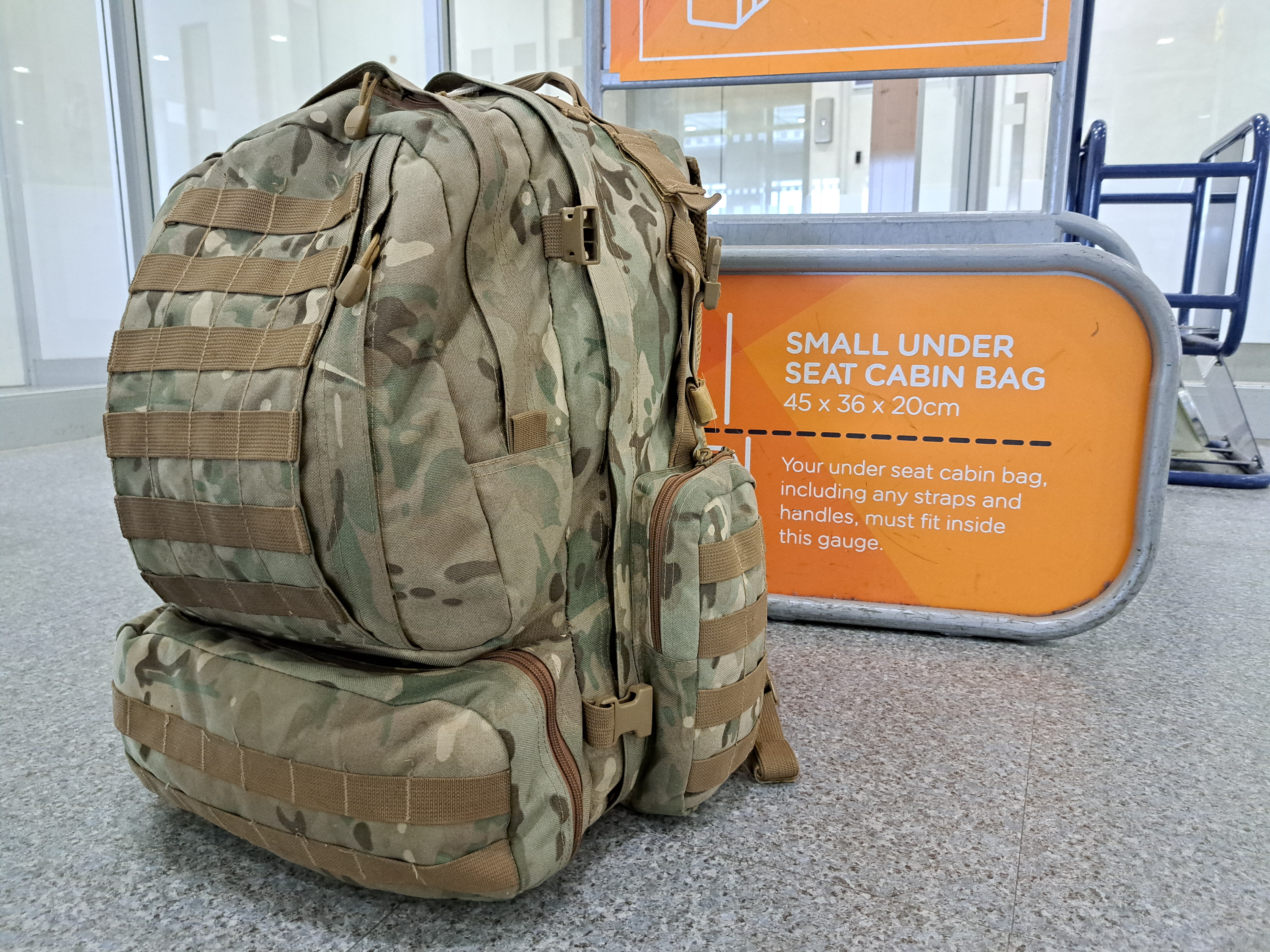
After more than twenty-five years of travelling through well over a hundred countries, one thing has become very obvious: the list of things I carry has become smaller, not bigger.
When I first started backpacking back in the late nineties, I made the same mistake every first time backpacker does. I overpacked. I packed for every possible scenario. I carried clothes I never wore, things I never used and enough ‘just in case’ items to weigh down both my backpack and my enjoyment.
Over the decades my pack has gotten smaller, and the amount of things I carry with me much less. I now travel almost exclusively carry on only, even for work trips where I tend to need my laptop and a bit more camera gear. But it’s not just about how much you pack, it is about how smart you are with what you pack too.
Experience is a hard teacher, and it shows you what you really need, and what you don’t. And after twenty five plus years of travel, there are just some things I will never travel without.
None of these items are particularly glamorous. Some cost very little. A few have travelled with me across dozens of countries. Every single one has earned its place through experience rather than marketing.
This isn’t a complete backpacking packing list—that lives in my comprehensive guide to ‘What To Pack For Backpacking And Long-Term Travel‘. Instead, these are simply the fifteen things that, after twenty-five years on the road, I almost never leave home without.
Waterproof Stuff Sacks And Rucksack Cover
I know most people swear by packing cubes, and I do think they are great too, but honestly? These are better. And this is why you should absolutely make them a part of your packing system.
The British Army relies on a few core principles for packing a bergen, and one of the most important is absolute waterproofing. All that means is that you give the gear you carry multiple layers of protection in case your main pack fails in some way, so you have the waterproof outer cover, the bergen, or backpack, itself, and then the waterproof stuff sacks inside.
I have seen enough backpacks piled on top of buses and get soaked in the rain, or been caught in desert winds and filled with sand to know that I want to keep my stuff as safe, dry and clean as it can be, so I turn my backpack into a mini fortress with this method.
And the best thing is, you can get them in a wide variety of bright colours so you can keep your gear as easily organised inside your pack as any packing cube, and if you squeeze the air out of them first they can compress into a carry on backpack easily, making them absolutely essential.
A Good Old Paperback.
Yes I know eReaders are lighter, can hold a ton of books and are infinitely more practical, and I do have an e reader app on my phone which does come in handy when I need a lot of books on a long trip. But I still think you just can’t beat a good old paperback! Call me old fashioned but I still love the weight, feel, smell and experience of a good, traditional book. It’s just an instinctive, visceral comfort thing, I can’t help it, and besides, I never have to worry about leaving my paperback on the beach with my towel or in the hammock when I decide to go for a swim! It’s much less common now which is a shame, but hostels and backpacker hangouts always used to have book swap stations where you could leave yours and take a battered old copy of your next favourite read. You can still find these from time to time, but if you can’t you are always welcome to pass it along to someone else or donate your book when you have finished so you aren’t just carrying dead weight round.
A Packable Daypack
This may be a surprising one from someone who promotes carry-on travel so much, but a foldable daypack has been an absolute godsend when wanting to leave my main pack safe in my accommodation but still have the need for a smaller pack for essentials when exploring a new city.
This is not a second backpack, and it definitely should not become an excuse to carry more stuff. It is simply a small, lightweight bag for the things you need during the day: a water bottle, sunglasses, camera, phone, power bank, notebook, light layer or whatever else you need while your main pack stays behind.
It is useful on flights too, especially if your main backpack has to go overhead or gets checked in. Anything important like your passport, wallet, documents, medication, electronics and chargers should stay with you, not buried in the hold or underneath a bus. It is also ideal for walking cities, long sightseeing days, temple visits, hikes, beach days and any time you want to explore without carrying your entire life on your back.
Packable backpacks are designed to fold down into a compact size, often small enough to fit inside a pocket, and mine is easily stored in the same pouch as my backpack cover without adding any real bulk or weight.
A Reusable Water Bottle
A reusable water bottle is not just a worthy environmental choice, although that is obviously a good reason to carry one. More than anything, it is convenient. When you are travelling long term, constantly buying small plastic bottles becomes annoying, expensive and wasteful very quickly, especially in hot countries where you are drinking all day, and having your own bottle that you can refill anywhere just makes more sense.
In many places, refilling is now easy. Airports increasingly have refill stations after security, hostels and guesthouses often provide filtered water, and cafes or restaurants in some destinations are happy to top you up. In countries where tap water is safe to drink, a reusable bottle is a no-brainer. In countries where it is not, you can still use one with filtered refill stations or larger water containers which are becoming increasingly common. Alternatively you can cut the risk out completely and, like me, carry a proper water filter bottle with an internal filter attached.
This is where destination matters too. In much of Western Europe, Australia, New Zealand and parts of North America, refilling from the tap is usually straightforward. In parts of Southeast Asia, South Asia, Latin America or Africa, you need to be more careful and if you don’t have a bottle with a filter on it, you need to find filtered, purified or bottled water depending on local conditions. The point is not to be reckless or performative. The point is to make carrying water easier and reduce unnecessary waste where you sensibly can.
A Head Torch
A head torch is not something I carry because I imagine myself dramatically exploring caves or hacking through jungles every week. I carry one because travel constantly throws up small, awkward moments where having both hands free and a reliable light source makes life a lot easier.
Hostel dorms are the obvious one. If you have ever tried to find your toothbrush, charger or clean T-shirt from the bottom of your bag at 5 a.m. without waking everyone up, you will understand why a head torch is useful. Phone torches work, but they also drain your battery, light up half the room and leave you trying to hold your phone in your mouth while rummaging through your backpack like an idiot.
It also earns its place during power cuts, night buses, late arrivals, campsite stays, rural guesthouses, beach huts, night-time toilet runs and those moments when a street that looked perfectly straightforward in daylight suddenly becomes very dark after sunset. Those walks from the beach bar to your beach hut look a lot different at 1 a.m. when you are surrounded by jungle and can’t see the dirt path in front of you, and in some destinations, power cuts are common enough that a head torch stops being a nice extra and becomes genuinely practical.
The important thing is not to overbuy. You do not need some enormous expedition-grade head torch unless you are heading off on a serious trek. A small, cheap, lightweight one with decent battery life is enough for most travellers.
A Small First Aid Kit
A small first aid kit is one of the few items I think every backpacker should carry, but it is also one of the easiest things to overdo. The aim is not to become your own doctor, diagnose tropical diseases in a hostel dorm or carry half a pharmacy around the world. The aim is simply to deal with minor problems quickly and sensibly until you can get to a pharmacy or proper medical care if you need it.
Most of the time, that means boring but useful things: plasters, blister dressings, antiseptic wipes, pain relief, any personal medication you need, and perhaps a few basics for minor cuts, scrapes or stomach upsets. These are the things that make a real difference when you have a blister before a long walking day, a small cut that needs cleaning before it becomes more of a problem or a few too many trips to the toilet on a planned travel day.
The mistake many first-time backpackers make is packing for every medical emergency they can imagine. That usually means carrying far too much, not knowing how to use half of it and letting it sit untouched at the bottom of the bag for months. A better approach is to carry a small, practical kit for common minor issues, know where proper medical help is available, and make sure you have decent travel insurance for anything more serious.
This is also where your destination and personal needs matter. A weekend in Europe, a gap year through Southeast Asia and a remote trek in Nepal all require slightly different thinking. If you take prescription medication, keep it in your daypack on travel days and carry enough to cover delays. If you are heading somewhere remote, get proper travel health advice before you go and tailor your kit to your needs rather than relying on a generic kit you bought online.
For a deeper breakdown of what belongs in a sensible travel medical kit, read my full guide to building a proper travel health kit before you leave. For this packing list, the key point is simple: carry enough to handle the small stuff, but know when something needs professional help.
Packing A First Aid Kit For Travel
What to pack in a simple, practical travel first aid kit so you can deal with minor cuts, blisters, headaches and stomach issues without turning your backpack into a pharmacy.

A Steel Cable And Padlock.
A good padlock is an absolute must on any gap year, that much is a given. But I always go that extra step and carry a steel cable too.
The idea behind them is fairly simple. For any of you not old enough to remember the Pacsafe, I was a massive fan of them back in the day but could never quite bring myself to use one long term because they were just too impractical. For those of you who don’t know, these were essentially a slashproof, tamperproof steel wire net that wrapped around your backpack and could be secured to a fixed point with a steel cable and padlock.
Amazing concept, but just way too bulky and heavy to be practical. They weighed a ton!
This is where the steel cable comes in as a reasonable compromise. You still have to secure your pack itself of course, but if you want a bit of extra security you can wrap the steel cable around it and through the straps, and then secure it to the underbed bin, locker or something else unmoveable. Basically a bike chain for your backpack.
A Pad And Pen.
I know this is another unusual one and certainly not on the top of most people’s lists, but hey, I’m a writer, and an old fashioned one at that, what do you expect? I always buy a new one for each trip, almost ritualistically really, just to scribble down my thoughts, ideas and disparate chapters for my next novel.
This can be a useful addition to anyone’s packing list though, as you are not going to remember the name of that amazing hostel you found or the location of every fantastic little food stall you came across that wasn’t in any guidebook, and quickly scribbling down the name and a few details can come in handy if you need to remember the name later on in your travels or if, like me, you want to write about them at some point.
Yes I know a stupid iPad does the same, but I already told you I’m old fashioned that way!
A Camera.
Now this is something almost everyone will have on the top of their own lists in one form or another. I’ve always tried to make a conscious effort to not see the world through the eye of a camera lens, but I love photography, and this ideal has always been in constant, bitter battle with my desire for taking photographs. Over the years I think I have got a half decent balance between taking enough photos and seeing a place through my own eyes, but one thing is absolutely certain.
I would never be able to travel without my camera.
That does not mean everyone needs a huge DSLR, multiple lenses, tripods, lighting rigs and half a professional studio stuffed into their daypack. Unless you are travelling specifically for photography or work, most travellers do not need that much kit, and no one wants to be THAT guy lugging an enormous camera setup into every awkward or inappropriate place and advertising to every thief and con artist in a twenty-mile radius that they are a tourist with a lot of expensive gear.
For most people now, a decent smartphone camera is more than enough, and to be honest the quality of phone cameras has already overtaken the basic compact cameras most backpackers used to carry. But whether it is a phone, a compact camera or something more serious, I still think having a way to take good photos matters. Not because every moment needs documenting, but because some memories deserve more than a half-blurred snapshot.
What To Pack For Your Gap Year
Learn what to pack, what to leave behind, and how to build a practical travel packing list that suits your trip, the time you have, your destination and your style of travel.

6 responses to “The Backpacking Items I Never Travel Without (After 25+ Years Of Travel)”
Some great ideas – but what about clothing, in particular for quantity of trousers, T shirts and type of jacket?
We are in the process of putting together our packing list.
Thanks, this is just my personal must haves that I can never leave behind. My general packing list advice – including clothing – can be found in the link ‘what to pack for your gap year.’ Thanks for stopping by 🙂
A fellow old fashioned book-lover 😀 I refuse to get a kindle. It’s not the same as physically turning a page and wondering what adventures the rest of the book holds. Same for writing – I would much rather use a pen and paper than iPad.
I totally agree! I do have a kindle app on my phone which comes in handy for longer trips, but I will still always have (and prefer) an old fashioned book too! ;D And I could never use a pad for writing anything substantial! Nice to hear others feel the same way! Thanks for commenting. 🙂
I’d never be caught dead without a camera now after having our last one break and spending a month without one. During the time we didn’t we saw some of the most amazing places during our two years of travel and we’ve no pictures to share.
Gutted.
I feel your pain Dale! I’d be lost without my camera, those memories of those amazing places are just so important I think. I’m a big believer in not seeing a place through a lens, but I also believe in having the camera to take the shot of it first!