
Seville is one of Spain’s great city break destinations, packed with flamenco, tapas and centuries of history. Discover the very best things to see and do in Seville, from the unmissable highlights to the places most visitors overlook.
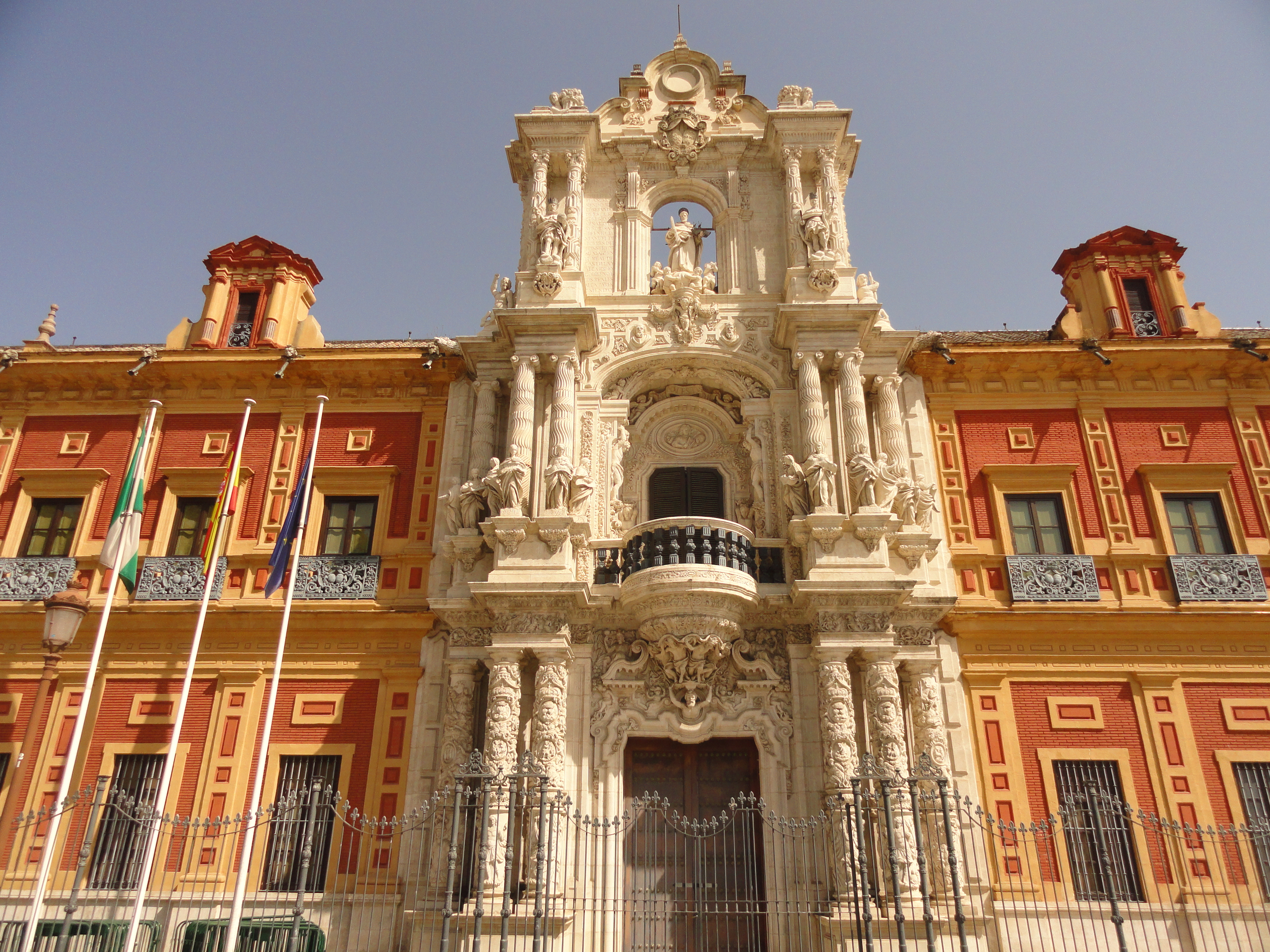
Seville is one of those cities that seems almost designed to seduce you into slowing down. Grand palaces and enormous Gothic architecture sit alongside narrow medieval streets, tiled courtyards and little plazas shaded by orange trees, while tapas bars spill onto the pavements and the sound of flamenco is never very far away.
I’ve spent a lot of time in Seville over the years, returning again and again, and one of the things I love most about the city is how effortlessly enjoyable it is. There are enough major attractions, museums, palaces and historic sites to fill several days without even trying, but some of my favourite memories have come from the spaces in between them: getting deliberately lost in Santa Cruz, wandering along the Guadalquivir, disappearing across the bridge into Triana or sitting outside a tapas bar with absolutely no intention of moving anywhere for the next couple of hours.
That’s why I always recommend leaving some empty space in your itinerary here. Seville rewards wandering. Turn down the interesting-looking street, stop when somewhere catches your attention and don’t worry if you don’t make it to everything you had planned that day. There will always be another palace, church or museum waiting for you tomorrow.
These are the best things to see and do in Seville, from the essential sights everyone should experience on a first visit to the places worth seeking out once you’ve started digging a little deeper. Just remember to leave yourself enough time between them to enjoy Seville itself.
What Are The Best Things To Do In Seville? Quick Answer
The best things to do in Seville include exploring the Real Alcázar, visiting Seville Cathedral and climbing the Giralda, wandering through the old streets of Santa Cruz, seeing the spectacular Plaza de España, crossing the Guadalquivir into Triana and experiencing the city’s legendary flamenco and tapas culture.
But don’t limit yourself to the headline attractions. Seville is packed with beautiful palaces, churches, gardens, museums, markets and historic neighbourhoods, and some of the best experiences come simply from exploring the city on foot and seeing what you find.
For a first visit, I would give Seville at least three full days, preferably four or five if you want enough time to explore beyond the essentials without rushing from one attraction to the next.
The Essential Things To See And Do In Seville
There are certain experiences in Seville that you simply shouldn’t miss on a first visit. These are the places and experiences that define the city, from its extraordinary royal palaces and Gothic cathedral to the tiled splendour of Plaza de España, the old streets of Santa Cruz and the fiercely individual character of Triana.
They are Seville’s most famous attractions for good reason, but don’t treat them as a checklist to race through. Give them the time they deserve, leave some space between them and let the city itself become part of the experience.
Explore The Real Alcázar Of Seville
If you only visit one palace in Seville, make it the Real Alcázar.
This extraordinary royal complex has developed over more than a thousand years, with Islamic, Mudéjar, Gothic, Renaissance and Baroque architecture layered together as successive rulers expanded and altered it. It remains a working royal palace today and is one of the finest examples anywhere in Spain of just how intertwined the country’s different periods of history really are.
The heart of the complex is the Palacio de Don Pedro, built in the 14th century for Pedro I. Its intricate plasterwork, tiled walls, carved wooden ceilings and elegant courtyards show the extraordinary skill of the Mudéjar craftsmen who created it. The Patio de las Doncellas is the obvious centrepiece, but don’t rush through the surrounding rooms looking for the next famous photograph. The details are what make the palace so spectacular.
Beyond the palace itself, leave plenty of time for the gardens. Fountains, pools, orange trees, palms and formal gardens spread across a huge area behind the buildings, with shaded paths and quieter corners that make it very easy to spend far longer here than you intended.
The Alcázar is enormously popular and timed tickets can sell out, particularly during busy periods, so book through the official ticketing system in advance rather than assuming you can simply turn up.
Give yourself several hours at minimum. This isn’t somewhere to squeeze between two other attractions because you have an hour free. Explore the palaces properly, wander through the gardens and take your time. The Alcázar is one of Seville’s great attractions, and it deserves to be experienced like one.
Visit Seville Cathedral And Climb The Giralda
Seville Cathedral is enormous in every sense of the word. Built on the site of the city’s former Almohad mosque, it is the largest Gothic cathedral in the world and one of the most spectacular buildings in Spain.
The scale hits you as soon as you step inside. Vast columns disappear upwards into soaring vaulted ceilings, enormous chapels line the nave and an extraordinary gilded altarpiece dominates the Capilla Mayor. Give yourself time to wander rather than simply heading straight for the most famous sights, because there is an astonishing amount of art, architecture and history packed inside.
One of those famous sights is the tomb of Christopher Columbus. His monument is carried by four figures representing the historic kingdoms of Castile, León, Aragón and Navarre, and his remains were brought to Seville at the end of the 19th century after Spain lost control of Cuba. There was a long-running dispute over whether the remains were actually his, but DNA analysis has since supported the identification of the remains held in Seville.
The Giralda standing alongside the Cathedral is a surviving part of the Almohad mosque that once occupied the site. Originally built as a minaret in the 12th century, it was incorporated into the Christian cathedral and later topped with its Renaissance bell tower, creating one of Seville’s most recognisable landmarks.
And yes, you can climb it.
Unlike most cathedral towers, the Giralda doesn’t make you drag yourself up hundreds of narrow steps. A series of ramps winds its way towards the top, originally designed so that the tower could be ascended on horseback. There are still a few steps at the very end, but the climb is relatively gentle and the views across Seville are more than worth the effort.
From the top you can look across the Cathedral rooftops towards the Alcázar, Santa Cruz and the seemingly endless terracotta roofs of the city beyond. It is one of the best viewpoints in Seville and an essential part of visiting the Cathedral, so don’t admire the Giralda exclusively from ground level.

See Plaza De España And Wander Through Parque De María Luisa
Plaza de España is one of Seville’s most spectacular landmarks, and despite looking as though it has been sitting here for centuries, it is actually just over a hundred years old.
Built for the Ibero-American Exposition of 1929, the enormous semi-circular plaza wraps around fountains, bridges and a canal, with an extravagant mixture of brickwork, towers, arches and colourful ceramic tiles. Along the base of the building are dozens of tiled alcoves representing Spain’s provinces, each decorated with maps and scenes from their history.
Take your time walking around them, cross the ornate bridges over the canal and head up onto the balconies for a wider view across the plaza. You can even hire a little rowing boat if you fancy paddling around the canal, although walking around the edge is considerably less likely to expose your complete lack of rowing ability to hundreds of strangers.
Plaza de España has also inevitably found its way onto the big screen, most famously standing in for the city of Theed on Naboo in Star Wars: Episode II – Attack of the Clones. Even if you couldn’t care less about Star Wars, the scale and theatricality of the place make it easy to understand why filmmakers keep using it.
Don’t visit the plaza and immediately leave, though. It sits inside Parque de María Luisa, one of the loveliest green spaces in Seville and somewhere worth exploring in its own right.
The park is filled with shaded avenues, fountains, ponds, tiled benches, palms and enormous old trees, offering a welcome escape from the heat and busy streets of central Seville. Wander down towards Plaza de América, where several grand buildings from the 1929 exposition surround gardens filled with fountains and pigeons.
Plaza de España may be the headline attraction, but give yourself enough time to enjoy the park around it too. On a hot Seville afternoon, finding a shady bench beneath the trees can suddenly seem every bit as important as seeing another monument.
Get Lost In The Streets Of Santa Cruz
Immediately behind the Cathedral and Alcázar, Santa Cruz is Seville’s old Jewish quarter and one of the best neighbourhoods in the city to explore without any particular plan.
The streets here form a maze of narrow lanes, whitewashed houses, wrought-iron balconies and tiny plazas shaded by orange trees. Many of the lanes were deliberately built narrow enough to provide shade from the fierce Andalusian sun, which makes wandering around them considerably more pleasant when Seville starts trying to roast you alive.
Don’t worry too much about following a particular route. Wander down Callejón del Agua beside the Alcázar walls, find Plaza de Doña Elvira and Plaza de Santa Cruz, duck through whichever alley looks interesting and stop whenever you find a café, tapas bar or shaded bench that gives you a good enough excuse.
This is also one of those parts of Seville where looking upwards pays off. Brightly tiled balconies, flower-filled windows, hidden courtyards and fragments of old architecture are everywhere, and the neighbourhood feels very different once you move away from the busiest streets immediately surrounding the Cathedral.
Santa Cruz is extremely popular and parts of it are undeniably touristy, but that doesn’t make the neighbourhood any less worth exploring. Come early in the morning when the streets are quieter, wander through during the day, or return in the evening when the heat begins to disappear and the plazas start filling with people again.
There isn’t really a single thing you’re supposed to ‘do’ here. That’s the point. Put the map away for a while and get lost.
Walk Along The Guadalquivir And See The Torre Del Oro
The Guadalquivir is fundamental to Seville’s story. This river connected the city to the Atlantic and helped transform it into one of Europe’s great trading centres during Spain’s age of exploration, when ships carrying goods and extraordinary wealth from across the Atlantic passed through its port.
Today the riverfront is a much more relaxed place to explore. Long pedestrian paths follow the water through the centre, with Triana on one bank and many of Seville’s historic landmarks on the other. It is particularly enjoyable in the evening when the worst of the heat disappears and the river starts reflecting the lights from the city.
The most recognisable landmark along this stretch is the Torre del Oro, a 13th-century Almohad defensive tower built beside the river. It once formed part of Seville’s defensive system, controlling access to the port and protecting the approaches to the Alcázar.
Today the tower houses a small maritime museum, but the main reason to go inside is the rooftop. The views along the Guadalquivir towards Triana, the bridges and the historic centre give you a completely different perspective on Seville from the Giralda.
The river itself is also there to be enjoyed. You can take a boat trip, hire a kayak or paddleboard, or simply stick to dry land and follow the waterfront towards the Puente de Isabel II and Triana.
For me, walking is enough. Grab an ice cream or a cold drink, follow the river without worrying too much about where you’re going and cross into Triana when you reach the bridge. It’s one of the simplest ways to enjoy Seville away from the palaces, churches and narrow streets of the historic centre.
Cross The River And Explore Triana
Cross the Puente de Isabel II over the Guadalquivir and Seville changes almost immediately.
Triana has always had a fiercely independent identity, shaped by generations of sailors, labourers, ceramic makers, flamenco artists and Roma families. Historically separated from the centre by the river, it developed its own traditions and character, and even today there is a strong sense that Triana is not simply another neighbourhood of Seville. It is Triana.
Start around Plaza del Altozano at the end of the bridge and head into the Mercado de Triana, built over the remains of Castillo de San Jorge, once the seat of the Spanish Inquisition in Seville. The market is still very much a working food market, packed with stalls selling meat, fish, fruit, vegetables and local produce alongside plenty of places to stop for something to eat.
From there, wander along Calle San Jacinto and then lose yourself in the surrounding streets. Triana has a long association with ceramics, and you can still see that heritage in workshops, shops and the extraordinary tilework decorating buildings throughout the neighbourhood.
Its connection with flamenco runs even deeper. Some of the most important figures in the art form came from Triana, and flamenco grew here as part of everyday community life long before it became something performed on stages for visitors.
Make time for Calle Betis too. Running along the riverfront, its colourful façades face back towards central Seville, with views across the Guadalquivir towards the Torre del Oro and Cathedral beyond. It is particularly enjoyable towards evening when the temperatures drop and the bars and terraces begin filling up.
Triana is one of my favourite parts of Seville precisely because it feels distinct from the monumental grandeur across the river. The centre has its palaces, cathedral and grand plazas; Triana feels more lived-in, colourful and fiercely local, with its personality tied to the river, ceramics, food and flamenco traditions that have shaped it for generations.
Seville wouldn’t be Seville without Triana.
Experience Flamenco In Seville
Flamenco is woven deeply into the culture of Seville and Andalucía, and seeing it performed live is one of those experiences that can completely change your understanding of it.
This isn’t simply a dance. Flamenco brings together cante (singing), toque (guitar), baile (dance), handclaps, rhythm and improvisation, with the performers responding to one another as much as following any predetermined routine. When it is performed well, the intensity can be extraordinary.
Seville has plenty of places to see flamenco, from larger tablaos to tiny venues where the audience is sitting only a few feet from the performers. Triana has particularly deep connections with the art form, while there are also excellent venues around Santa Cruz and elsewhere in the historic centre.
Personally, I prefer the smaller and more intimate performances. Flamenco doesn’t need an enormous stage, elaborate scenery or a dinner-show package to make an impact. A singer, guitarist and dancer in a small room can generate more atmosphere than something ten times the size.
If you happen to be in Seville during one of its major flamenco festivals or encounter a spontaneous performance while exploring the city, even better. But don’t leave it entirely to chance. Find a performance that appeals to you, grab a drink and experience one of Andalucía’s greatest cultural traditions in the city that helped shape it.

Eat Your Way Through Seville’s Tapas Bars
You can’t really understand Seville without spending a significant amount of time eating.
Tapas are part of the rhythm of daily life here, but Seville has its own distinctive tapas culture rooted firmly in Andalusian cooking. Pork, seafood, chickpeas, cold soups, slow-cooked meats and recipes carrying centuries of Moorish influence all appear on menus across the city, and the traditional tapeo of moving between different bars is as important as the individual dishes themselves.
Start with espinacas con garbanzos, spinach and chickpeas cooked with garlic, cumin and spices. It is one of the dishes most closely associated with Seville and its combination of chickpeas and aromatic spices reflects the Moorish influence that still runs through Andalusian cuisine.
Then there is solomillo al whisky, pork loin served in a rich, garlicky whisky sauce. Ignore the name, which sounds considerably less Andalusian than the dish actually is; this is a genuine Sevillian favourite. Look out for pringá too, a glorious mixture of slow-cooked pork and sausage often stuffed into a small montadito, alongside carrillada, meltingly tender pork cheek braised slowly in a rich sauce.
Seafood features heavily as well. Pavía de bacalao, strips of salt cod fried in batter, has particularly strong associations with Seville, while pescaíto frito brings plates of small fried fish to tables across the city. In warmer weather, salmorejo and other cold dishes suddenly make complete sense when the Andalusian sun is trying its best to cook you alive.
And if you’re here in late spring, you’ll start seeing caracoles and cabrillas advertised outside bars everywhere. Snail season is taken remarkably seriously in Seville, with locals developing strong opinions about which bar makes the best broth. If you’ve never tried them, this is as good a place as any to stop being squeamish.
One place I have returned to over the years is El Rinconcillo, generally considered the oldest bar in Seville and trading since 1670. It is deservedly famous, with old tiled walls, dark wooden shelves, hanging hams and bartenders traditionally keeping your running tab in chalk directly on the bar.
But don’t spend your trip chasing a definitive list of the ‘best tapas bars in Seville’. The traditional tapeo is much more fun. Squeeze yourself into a busy bar, order a drink and one or two tapas, eat standing at the counter if you have to, then move on somewhere else. Santa Cruz, Triana, Alameda, El Arenal and the historic centre all have enough bars to keep this process going for an extremely long time.
Seville also does a wonderful job of mixing old and new. One minute you can be eating a recipe that has barely changed in generations in a tiled neighbourhood tavern, and the next you can find a modern tapas bar completely reinventing traditional Andalusian ingredients.
If you accidentally spend an entire evening doing nothing except moving between bars, eating pringá, pork cheeks and fried fish while drinking whatever happens to be put in front of you, congratulations.
You’ve had an excellent evening in Seville.
See Seville From The Top Of Las Setas
Seville is overwhelmingly associated with palaces, tiled courtyards, Gothic churches and centuries of history, which makes Las Setas look even more extraordinary when you first encounter it.
Officially called the Metropol Parasol but known universally as Las Setas, or ‘the mushrooms’, this enormous wooden structure rises above Plaza de la Encarnación in the centre of the city. Completed in 2011, its sweeping lattice canopy is about as far removed from traditional Sevillian architecture as you can possibly get.
And that is precisely why I like it.
The upper walkway curves across the top of the structure and provides panoramic views over Seville’s rooftops, with the Giralda, Cathedral and other landmarks rising above the city in the distance. Sunset and early evening are particularly good times to head up, when the light softens and Seville begins illuminating below you.
There is more underneath it too. During construction, significant Roman remains were discovered beneath the plaza, and these are now preserved in the Antiquarium archaeological museum below the structure.
Las Setas was controversial when it appeared and you’ll still find plenty of opinions about whether an enormous modern wooden mushroom belongs in the middle of historic Seville. Personally, I think that’s part of the fun.
Seville has more than enough beautiful old buildings. It can handle one giant mushroom.
Lesser-Known Things To See And Do In Seville
Once you’ve seen Seville’s headline attractions, there is still an extraordinary amount of the city left to explore.
Seville has the slightly enviable problem of having so many world-famous landmarks that some genuinely spectacular palaces, churches, museums and historic buildings barely get a look in. In almost any other city, several of them would be major attractions in their own right.
This is also where you can start seeing different sides of Seville. There are aristocratic palaces filled with tiled courtyards and gardens, some of Spain’s finest art collections, Roman ruins beneath modern streets, historic markets and neighbourhoods that receive a fraction of the visitors found around the Cathedral and Alcázar.
You certainly don’t need to see all of them. Pick whatever interests you and use them as an excuse to explore parts of Seville you might otherwise have walked straight past.
Explore Casa De Pilatos
Casa de Pilatos is one of Seville’s most beautiful palaces and a wonderful example of the mixture of architectural traditions that makes the city so distinctive.
Built and expanded during the 15th and 16th centuries, the palace combines Mudéjar decoration with Gothic and Renaissance architecture. Intricate azulejo tiles cover the walls, carved plasterwork surrounds elegant arches and a beautiful central courtyard sits at the heart of the house.
The palace gets its unusual name from a 16th-century pilgrimage to Jerusalem undertaken by one of its owners, which inspired a series of religious stations between the house and the Cruz del Campo outside the old city.
Inside, richly decorated rooms surround the courtyard, while the upper floor contains paintings, furniture and artworks collected by generations of the ducal family. Outside, formal gardens filled with fountains, sculptures and greenery provide a peaceful contrast to the surrounding streets.
If you enjoyed the architecture of the Alcázar but want to see how those same Mudéjar influences were incorporated into a later aristocratic home, Casa de Pilatos is particularly fascinating. It has all the tiled courtyards, elaborate decoration and architectural detail you could possibly want, but on a much more intimate scale.
Wander Through Palacio De Las Dueñas
Palacio de las Dueñas is another of Seville’s great aristocratic houses, built between the 15th and 16th centuries and filled with the courtyards, gardens, tiles and architectural details that the city does so ridiculously well.
The palace was the Seville residence of the House of Alba for centuries and still feels much more like a grand home than a formal monument. Rooms are filled with paintings, antique furniture, tapestries, ceramics and family possessions, while the architecture blends Gothic, Mudéjar and Renaissance influences.
The gardens and courtyards are the real highlight for me. Orange trees, palms, fountains, tiled walls and explosions of bougainvillea surround the palace, creating exactly the sort of spaces that make Sevillian architecture so appealing. The main courtyard in particular is stunning.
The palace also has a strong literary connection. Poet Antonio Machado was born here in 1875, when part of the complex was rented by his family, and later recalled the gardens and fountain of his childhood in his writing.
Dueñas feels quite different from the grandeur of the Alcázar. It is smaller, more intimate and much easier to imagine as an actual home, albeit one belonging to a family whose definition of ‘home’ involved rather more priceless artwork, courtyards and ancestral titles than most of us are accustomed to.
Visit The Museo De Bellas Artes
Seville’s Museum of Fine Arts is one of the most important art museums in Spain, particularly for anyone interested in the extraordinary painters produced by the city during its artistic golden age.
Housed inside a former 17th-century convent, the building is almost as impressive as the collection. Galleries are arranged around peaceful courtyards filled with tiles, fountains and orange trees, while the former convent church provides a suitably dramatic setting for some of the museum’s largest works.
The collection is particularly strong in Spanish Baroque art, with major works by Sevillian painters including Bartolomé Esteban Murillo, Francisco de Zurbarán and Juan de Valdés Leal. Murillo is especially well represented, which isn’t surprising given that he was born in Seville and became one of the defining artists of the city’s 17th-century cultural boom.
You don’t need to be an art historian to enjoy it either. The scale of many of the religious paintings, the richness of the Baroque collection and the building itself make the museum worth exploring even if you couldn’t tell your Murillo from your elbow.
And when you’ve finished, step outside into Plaza del Museo. On Sunday mornings the square hosts a small open-air art market where local artists display paintings, drawings and prints around the plaza.
It’s a lovely continuation of the museum experience: centuries of Sevillian art inside, then the city’s artists still creating and selling their work immediately outside.
Browse The Sunday Art Market At Plaza Del Museo
Every Sunday morning, Plaza del Museo outside the Museum of Fine Arts fills with local artists selling their work beneath the trees.
It isn’t an enormous market, and that’s part of its charm. Easels and paintings line the railings around the square, artists sit beside their work and people slowly wander between displays of watercolours, oils, sketches, prints and illustrations. Some depict Seville’s obvious landmarks, while others capture ordinary streets, neighbourhood scenes and corners of Andalucía through the eyes of the artists who actually live here.
I stumbled across the market by accident the first time I visited, but there is something wonderfully relaxed about it: artists chatting beside their easels, people browsing without being hurried and the occasional conversation beginning simply because a particular painting catches your eye.
It’s also a great place to pick up a genuinely individual souvenir. Instead of another mass-produced magnet or postcard, you can take home an original piece of art and put some money directly into the hands of a local artist.
Combine it with the Museum of Fine Arts next door if you have any interest in art at all. You can spend the morning surrounded by centuries of Sevillian masterpieces inside, then step outside and see the city’s contemporary artists displaying what they’re creating today.

Explore The Archivo General De Indias
Sitting between the Cathedral and Real Alcázar, the Archivo General de Indias is housed inside an elegant 16th-century Renaissance building that once served as Seville’s merchants’ exchange.
Today it contains one of the world’s most important collections of documents relating to the Spanish Empire in the Americas and Asia. Millions of pages of correspondence, maps, reports and official records chart centuries of exploration, conquest, colonial administration and trade, including documents connected with figures such as Christopher Columbus, Hernán Cortés and Ferdinand Magellan.
For much of the 16th and 17th centuries Seville held a privileged position in Spain’s trade with the Americas. Wealth flowed through the city along the Guadalquivir, transforming its architecture, population and importance.
Best of all, admission to the Archivo is free, making it an easy addition while you’re exploring the Cathedral and Alcázar area and a fascinating way to understand why Seville became such an important city in the first place.
Visit The Basílica De La Macarena
The Basílica de la Macarena sits north of Seville’s historic centre and is home to one of the city’s most revered religious images, the Virgen de la Esperanza Macarena.
The basilica itself is relatively modern by Seville’s standards, completed in the 20th century, but the statue of the Virgin is much older and enormously important to the city. During Semana Santa, it is carried through the streets on an elaborate paso accompanied by thousands of members of the Hermandad de la Macarena and enormous crowds of spectators.
Even outside Holy Week, the basilica gives you some sense of how deeply these traditions are embedded in Sevillian culture. The richly decorated interior centres around the Virgin above the main altar, while the adjoining museum displays processional objects, embroidered robes, silverwork and other items associated with the brotherhood.
Visit The Convento De Santa Paula
The Convento de Santa Paula is a working convent founded in the 15th century, tucked away in the quieter streets north of Seville’s historic centre.
Its entrance alone is worth seeing, with an elaborate mixture of Gothic, Mudéjar and Renaissance decoration and colourful ceramic work produced during one of the great periods of Sevillian tilemaking.
Inside, the convent has peaceful courtyards, religious artwork and a small museum displaying paintings, sculptures and objects collected over centuries. Parts of the complex remain home to a community of enclosed nuns, so this isn’t a conventional museum where every room is open to visitors.
There is another very good reason to stop by: the nuns make and sell traditional sweets and pastries. Like several convents across Andalucía, Santa Paula continues the centuries-old tradition of producing dulces conventuales, with recipes passed down through generations.
So you can admire several centuries of architecture and religious history and then leave carrying a box of biscuits made by nuns.
Explore Calle Feria And Mercado De Feria
Calle Feria cuts through one of Seville’s oldest neighbourhoods and feels noticeably different from the monumental centre around the Cathedral and Alcázar.
At its heart is Mercado de Feria, the city’s oldest food market, with roots stretching back to the 18th century. Stalls selling fish, meat, fruit and vegetables sit alongside small bars and food counters, making it an excellent place to stop for lunch while exploring this side of the city.
The surrounding Calle Feria is just as interesting. Traditional shops, neighbourhood bars and cafés sit alongside newer independent businesses, while churches, tiled façades and small plazas appear between them.
Thursday mornings bring another Seville institution, El Jueves, a street market that has been held along Calle Feria for centuries. Stalls spread along the street selling antiques, books, paintings, ceramics, old coins, records, religious objects and an enormous assortment of things whose original purpose may require some investigation.
This isn’t the polished Seville of grand palaces and immaculate plazas. It’s busier, scruffier around the edges and much more about ordinary neighbourhood life.
Hang Out Around Alameda De Hércules
Alameda de Hércules is one of Seville’s great social spaces, a long tree-lined plaza surrounded by bars, cafés, restaurants and terraces north of the historic centre.
Created in the 16th century, it is often described as one of the oldest public promenades in Europe. Two enormous Roman columns stand at its southern end, topped by statues of Hercules and Julius Caesar, while another pair marks the opposite end of the square.
The Alameda today is one of the best places to experience contemporary Seville. It has a younger, more alternative character than much of the historic centre, with independent bars, live music venues, cafés and restaurants attracting a mixture of students, families and locals throughout the day.
It really comes alive in the evening, when the terraces fill and the whole promenade becomes one enormous social space. Grab a drink, find somewhere for tapas and see where the night takes you.
Slow Down And Enjoy Seville
With this many palaces, museums, churches and historic sites competing for your attention, it is very easy to turn Seville into a sightseeing marathon. Some of the best parts of being here have absolutely nothing to do with ticking another attraction off a list.
Seville is a city made for wandering. Narrow streets suddenly open into little plazas, orange trees provide shade outside neighbourhood bars and beautiful tiled courtyards appear through half-open doorways. You can start walking towards one place and find three other things that distract you before you get there.
The rhythm of the day helps. Mornings are perfect for exploring before the heat builds, afternoons encourage you to slow down over a long lunch or disappear somewhere shady, and then the city seems to wake up all over again in the evening. Terraces fill, families and friends spill into the streets and dinner starts considerably later than most visitors are used to.
So build some deliberate nothing into your itinerary. Sit in Plaza del Salvador with a drink, wander beside the Guadalquivir as the sun starts dropping, find a table beneath the orange trees in a quiet square or spend an evening moving between whichever tapas bars look good.
Seville isn’t a city where every worthwhile experience comes with an entrance ticket. Sometimes the best thing you can do is stop trying to see Seville and simply enjoy being in it.
Get Out Of Seville For The Day
There is easily enough in Seville to fill several days, but the city also makes a useful base for exploring some fascinating places elsewhere in the province.
You don’t have to travel particularly far either. Roman cities, ancient hilltop towns and some very different landscapes lie within easy reach, giving you plenty of options if you have an extra day or two.
Walk Through The Roman City Of Itálica
Just outside Seville in the town of Santiponce lie the ruins of Itálica, one of the most important Roman archaeological sites in Spain.
Founded in 206 BCE, Itálica was the first permanent Roman settlement established on the Iberian Peninsula and later became closely associated with the emperors Trajan and Hadrian, both of whom had family connections to the city.
The enormous amphitheatre is the obvious highlight. Once capable of holding tens of thousands of spectators, you can walk through the surviving passageways beneath the seating and out into the arena itself.
But don’t stop there. The surrounding remains include broad Roman streets and the foundations of enormous houses, many still containing remarkably well-preserved mosaic floors. The House of the Birds and House of the Planetarium give you some idea of just how wealthy parts of the city once were.
If some of it looks strangely familiar, there’s a reason for that too. The amphitheatre appeared as the Dragonpit in Game of Thrones, because apparently two thousand years of genuine Roman history wasn’t quite dramatic enough.
Itálica is close enough to Seville to visit in half a day and is easily reached from the city, making it one of the simplest and most worthwhile excursions you can make.
Explore The Hilltop Town Of Carmona
Around 30 kilometres east of Seville, Carmona rises above the surrounding Andalusian plains from a defensive position that has attracted settlers for thousands of years.
Enter the old town through the imposing Puerta de Sevilla and you’ll find narrow streets, churches, convents, traditional houses and plazas enclosed within remnants of the old defensive walls. At the highest point of town, the Alcázar de la Puerta de Marchena offers sweeping views across the countryside.
Carmona’s history stretches much further back than medieval Andalucía. Just outside the centre lies an extensive Roman necropolis containing underground tombs carved into the rock, including elaborate family burial chambers decorated with surviving frescoes.
Despite all that history, Carmona is compact and easy to explore on foot. Wander through the old streets, stop for lunch and enjoy the views across the plains before heading back to Seville.
Escape Into Doñana National Park
For something completely different, head south-west towards Doñana National Park, one of Europe’s most important wetland ecosystems.
The park protects an enormous landscape of marshes, dunes, forests and lagoons around the Guadalquivir estuary and provides habitat for hundreds of species of birds. Depending on the season, you may see flamingos, herons, spoonbills, birds of prey and vast numbers of migratory birds moving between Europe and Africa.
Doñana is also one of the last strongholds of the critically endangered Iberian lynx, although seeing one requires considerably more luck than spotting the birdlife.
Access to the protected interior is controlled, with authorised tours operating through parts of the national park, while surrounding areas offer walking trails, visitor centres and birdwatching opportunities.
It is a complete contrast to Seville. After several days of crowded streets, tiled palaces and tapas bars, suddenly finding yourself surrounded by wetlands, sand dunes and enormous skies shows just how varied this corner of Andalucía really is.
Why Seville Deserves More Than A Weekend
Seville is one of those cities that is very easy to underestimate when you’re planning a trip. Look at a map, pick out the Alcázar, Cathedral and Plaza de España, add a flamenco show and a few tapas bars and you might reasonably assume you’ve got the place covered in a couple of days.
You haven’t.
There are palaces and museums you hadn’t planned on visiting, neighbourhoods that deserve exploring in their own right, Roman ruins just outside the city and enough exceptional food to make any attempt at restraint completely pointless. But even all of that misses what I enjoy most about Seville.
It is the general rhythm of the city that keeps bringing me back. Long lunches that drift into the afternoon, streets filled with orange trees, crowded bars where everyone seems to be talking at once and warm evenings when the entire city appears to spill outside. Seville encourages you to slow down without ever feeling quiet or sleepy; there is always something happening, it just doesn’t seem particularly concerned with rushing to get there.
I’ve returned to Seville many times over the years, and each visit has given me something different. Sometimes that’s been discovering somewhere new, sometimes revisiting an old favourite, and sometimes simply realising that an afternoon has disappeared because I sat down for one drink several hours earlier.
So see the Alcázar, climb the Giralda, cross into Triana and eat as many tapas as you can reasonably manage. But don’t measure your time in Seville entirely by how much you’ve managed to see.
Leave some of it gloriously unplanned.

Michael Huxley
Michael Huxley is the founder of Bemused Backpacker, a travel writer, published author, international speaker and former nurse who has spent more than twenty-five years travelling independently through over 150 countries. He helps readers travel with more confidence, safety and perspective.
Spain
Discover the real Spain beyond the resorts, from extraordinary cities and regional cultures to wild landscapes, incredible food and unforgettable experiences.

The Seductive Soul Of Triana, Seville
Discover the seductive soul of Triana, where Seville’s flamenco heritage, tapas culture and irresistible local character come vividly to life.

Culture Shock In Spain: Living La Buena Vida
Discover what culture shock in Spain really feels like, from late nights and even later dinners to slowing down, letting go and learning to live la buena vida.

What Are The Best Things To Do In Spain?
Discover the best things to do in Spain, combining the country’s unmissable highlights with extraordinary landscapes, cultural experiences and lesser-known adventures far beyond the usual tourist trail.

Losing My Fear Of Speaking Spanish
After returning to Seville, I finally discovered what it feels like to stop rehearsing Spanish and start actually speaking it.

12 responses to “The Best Things To Do In Seville, Spain”
I’ve been to Spain a few times but only to Tenerife, Majorca and a few other islands. Definitely need to try Seville!
You’d love it! Such a different side to Spain than the islands.
Looking forward to visiting Spain again (went in 2023). Seville looks amazing. I assume they’ve relaxed their Covid/mask requirements…
Absolutely they have, most of the world has now gotten over their temporary fear induced panic attack.
I loved Sevilla! Went with a group of friends and stayed in the centre of town. Really lovely boutique hotel within walking distance of the sites. The food and drink alone is well worth the trip, and definitely take the time to climb up the cathedral steps. Not easy but worth it!
I agree, the food and nightlife is fantastic! Those steps are definitely for the young though!
Would you say Seville can be seen/done in a weekend break?
Absolutely it can, it makes for a great weekend city break! Like in most cities you won’t see everything but you can definitely see the highlights and enjoy the vibe.
I loved Seville, such an amazing city. Have been a few times now and have still not seen everything.
I know what you mean Paul, always a good excuse to keep going back!
I’ve always wanted to see the Flamenco performed in Seville, what is it like? Any tips for a first timer?
It is intense, and awesome! I would say the main touristy shows are great, but ask around at your hotel/hostel for local bars that have smaller, more intimate shows too, it is on a whole other level! And put away the camera, experience the moment!