
Zoos, Sanctuaries & Captive Wildlife
This guide will help travellers judge zoos, sanctuaries and captive wildlife facilities properly from an ethical and responsible point of view.
Zoos, aquariums, sanctuaries, rescue centres and captive wildlife attractions are some of the most controversial parts of wildlife tourism. Some play an important role in conservation, education, research, rescue and long-term animal care. Others use the language of welfare and conservation to hide poor conditions, entertainment, exploitation and profit.
The truth is not as simple as “caged animals bad” and “free animals good.” Whilst a world where all animals are allowed to roam free and undisturbed, and only ever viewed from a respectful distance, may be the ideal, that does not capture the reality of habitat loss, conservation needs, species survival, the welfare of previously abused or captive-bred animals, or human-wildlife conflict.
The ethics of captive wildlife tourism exist on a spectrum. Some animals cannot be released. Some facilities support vital conservation work. Some sanctuaries are genuine places of rescue and care. Some zoos fund projects that protect wild populations. Other facilities, many using the exact same sanctuary or zoo label, cause harm, exploit animals and should not be supported.
This guide looks at the real issues around zoos, sanctuaries and captive wildlife tourism, how to judge facilities properly, and how travellers can make better choices for animal welfare and conservation.
Why The Captive Wildlife Debate Is More Complicated Than It Looks
Zoos, sanctuaries and captive wildlife attractions are often discussed in very black-and-white terms. One side argues that no animal should ever be kept in captivity and that every zoo, aquarium or animal facility is automatically unethical. The other points to conservation, education, breeding programmes and rescue work as proof that these places are essential.
Neither argument is complete on its own.
The reality is far more complicated. Wild animals should, wherever possible, live wild lives in protected habitats. That should always be the ideal. But the modern world has made that ideal difficult, if not impossible, for many species and individual animals. Habitat loss, poaching, illegal wildlife trade, injury, conflict with humans, private ownership, failed tourist attractions and collapsing ecosystems mean there are animals that cannot simply be released, now or ever. Some need lifetime care. Some need rehabilitation. Some are part of managed breeding programmes. Some live in facilities that fund wider conservation work in the wild.
The simple fact is that captive wildlife facilities exist for a reason, and without drastic societal change they will remain part of the wildlife tourism and conservation landscape for the foreseeable future. There are many facilities that help drive conservation efforts forward, without which vital protection, research, education, rescue and species survival work simply would not happen.
That does not justify every zoo, aquarium, marine park or sanctuary. Far from it. Many facilities keep animals in poor conditions, force unnatural behaviour, breed animals for tourist demand, offer exploitative encounters or hide behind vague conservation claims. These places should not be supported.
But it is equally simplistic to dismiss every captive wildlife facility as cruel by default. A well-run, transparent, properly regulated zoo, aquarium, rescue centre or sanctuary can contribute to animal welfare, conservation, education and research. A badly run sanctuary can be every bit as exploitative as the worst roadside zoo.
The label applied to any given facility is not enough. The question is not simply whether an animal is captive or free. The question is why that animal is there, what quality of life it has, whether its needs are being met, whether the facility is transparent, and whether tourism is supporting welfare and conservation or simply paying for entertainment.
Are Captive Wildlife Attractions Ethical? The Short Answer
Zoos, sanctuaries and captive wildlife attractions can be ethical, unethical or somewhere in between. The ethics depend on a wide range of established best practice metrics, including animal welfare, transparency, conservation value, visitor interaction, enclosure standards, animal origin, breeding practices, education and whether the facility exists primarily for the animals’ welfare and wider conservation, or for tourist entertainment.
A responsible zoo, aquarium or sanctuary should be able to show high welfare standards, qualified care, appropriate enclosures, enrichment, veterinary oversight, meaningful conservation work and clear transparency about where animals came from and why they are in captivity.
An irresponsible facility may use words like rescue, sanctuary, conservation or education while keeping animals in poor conditions, breeding them for visitors, forcing performances, encouraging selfies, allowing handling or using animals as entertainment props.
It is not as black and white as ethical or unethical. The label does not prove the ethics. The evidence does.
What Is Captive Wildlife Tourism?
Captive wildlife tourism refers to any travel experience, attraction or facility where wild animals are kept, managed, displayed, cared for or used in a controlled environment for visitors. This can include zoos, aquariums, marine parks, sanctuaries, rescue centres, rehabilitation facilities, breeding centres, wildlife parks, conservation centres, animal cafés, private collections, roadside zoos and attractions that offer shows, encounters, feeding sessions, rides or photo opportunities.
This can range from a small managed zoo to a vast rehabilitation centre or conservation reserve where animals live in semi-wild conditions.
That is a very wide spectrum, and that is exactly why the subject is so complicated. A world-class conservation zoo, a genuine rescue sanctuary, a rehabilitation centre preparing animals for release, a dolphin show, a cub-petting facility and a roadside cage attraction may all technically fall under captive wildlife tourism, but ethically they are not the same thing.
The key issue is not simply whether an animal is captive. The key issue is why that animal is captive, what quality of life it has, whether its physical and behavioural needs are being met, whether the facility is transparent about its work, and whether tourism supports genuine welfare and conservation or simply turns animals into entertainment.
This is why captive wildlife tourism cannot be judged by name alone. A zoo can be responsible or irresponsible. A sanctuary can be genuine or exploitative. A rescue centre can prioritise rehabilitation or use rescued animals as a marketing hook. A conservation facility can contribute to species protection or use conservation language to justify poor welfare.
The Ethics Of Captive Wildlife Tourism
The ethical starting point for any discussion around captive wildlife tourism should be simple: wild animals should, wherever possible, live wild lives in protected natural habitats. They should be able to move freely, form natural social groups, hunt, forage, migrate, breed, rest, hide, avoid humans and behave as their species has evolved to behave.
Should All Animals Be Free In The Wild?
That is the ideal, and it is an important one. There are many organisations such as Born Free that argue strongly that wild animals belong in the wild and that captivity can never fully recreate the complexity, freedom and choice of a natural life. That argument should not be dismissed lightly, because it puts the animal’s interests at the centre of the debate and challenges an industry that has too often justified poor welfare with vague claims about education or conservation. At its most idealistic extreme, this position imagines a world where wild animals live entirely apart from human interference and tourism plays little or no role in how people encounter them.
But ideals do not exist in isolation from reality. A world where every animal is free, every habitat is intact and every wild population is protected would be wonderful. The problem is that this is not the world we currently live in, and it is not a realistic basis for every decision involving captive or threatened animals.
That doesn’t in any way mean that it shouldn’t be an ideal dream, a model of what could be, but it should also be rooted in reality.
The fact is wild habitats are shrinking or even lost entirely thanks to logging, palm oil or any other number of human industries and development. Species in the wild are threatened by poaching, the illegal wildlife trade, climate change, pollution, conflict with humans, agricultural expansion, private ownership, poorly regulated tourism and decades of environmental damage. Simply releasing captive animals into the wild, especially threatened or protected species, would put many of them at serious risk.
And then there are the animals who are already in captivity and could never survive in the wild. Many of these could not simply be released because they need a lifetime of care, have been injured, orphaned, bred in captivity, habituated to humans, removed from the wild illegally, used in entertainment, kept as pets or rescued from facilities that should never have held them in the first place.
Here is where the every animal should be free argument fails, because what exactly is to be done with these animals? For those for who the wild is not an option, the question is not whether captivity is ideal. It usually is not. The question is whether responsible captive care is the best realistic option left.
There is also a wider conservation issue that is too often ignored in the simplistic extreme of every animal should be free. If the only acceptable version of wildlife tourism were seeing animals completely undisturbed in the wild, from an extreme distance, with no infrastructure, no managed access and no human presence, then almost all wildlife tourism would become impossible. Any attempt to see animals would risk bringing people into sensitive habitats, increasing disturbance, creating pressure on wild spaces and, without regulation, encouraging exactly the kind of uncontrolled encroachment that conservation is trying to prevent.
So if that were the case, who exactly would own and pay for the vast acres of land and natural habitats needed? Where would it come from? How could you stop that very land being taken up by industry? The human element here is that local communities do need to live and survive too, and if there is no tourism, they will look to other ways to do so.
This is why the extreme of all animals should be free is a great ideal, but wholly unrealistic and problematic. So if we can also argue that the other extreme, that of all animals should be captured and exploited for human need and gain, is completely out of the question too, then where exactly does that leave us?
The Spectrum Of Responsible Wildlife Tourism
That leaves us with a sensible middle ground where the reality of wildlife tourism exists on a spectrum, and the ideal is not being perfect, but getting as close to that on the spectrum as is possible.
Responsible wildlife tourism already involves compromise. National parks, guided safaris, hides, trails, viewing platforms, boat routes, permits, visitor limits and protected reserves all exist because human access to wildlife has to be managed. If we are to have some animals in the wild, then there has to realistically be a section of that population that can share spaces in a manageable and responsible way so that an unregulated human populations don’t go blundering through untouched natural habitats.
The ethical question is not whether humans should ever see animals. It is how that access is controlled, who benefits from it, what impact it has and whether the animals’ welfare and survival come first.
A Space For Captive Wildlife Tourism
Captive wildlife tourism sits within that wider ethical tension, that huge grey area between the two extremes.
At its best, it can reduce pressure on wild populations and provide the means to keep them wild and protected, care for animals that cannot be released, fund habitat protection, support scientific research, educate the public, maintain assurance populations for threatened species and create emotional connections that encourage people to care about conservation.
WAZA, the World Association of Zoos and Aquariums, describes modern zoos and aquariums as organisations with responsibilities around animal care, conservation and the protection of animals and their habitats, while IUCN guidance recognises that ex situ management can play a role in species conservation when it is properly justified, carefully planned and linked to conservation outcomes.
This is why modern captivity exists, it isn’t about a human right or need to see cute animals up close or exploit them for gain, but instead it is about the human responsibility to conserve and protect species and their habitats. Captive wildlife facilities can serve animal welfare and conservation when they are properly regulated, transparent and genuinely built around the animals’ needs.
Good captive facilities can provide lifetime care for animals that cannot survive in the wild. They can rescue animals from the illegal wildlife trade, private ownership, failed zoos, entertainment industries or abusive tourist attractions. They can support breeding programmes for species under severe threat, contribute to reintroduction work where appropriate, provide veterinary expertise, fund field conservation and educate visitors who may never otherwise understand the pressures facing wild animals and habitats.
That matters. Conservation costs money. Rescue costs money. Veterinary care costs money. Anti-poaching work, habitat protection, research, public education, enforcement and long-term animal care all cost money. In many cases, tourism helps provide that funding.
To pretend that every captive facility could simply close tomorrow and every animal would either be released or magically cared for elsewhere is not a serious conservation position.
But none of this gives the captive wildlife industry a blank cheque.
The Unethical Side Of Captive Wildlife Tourism
Whilst all of this is absolutely true, there is the other side of the coin to consider, and this must sit at the heart of any responsible discussion because when captive wildlife tourism flips to the other side of the spectrum then it can be highly unethical and have serious consequences for both animals and their habitats.
There are unfortunately many facilities that seek to exploit captive wildlife instead of help or conserve it. In these circumstances captivity can restrict natural movement, reduce choice, disrupt natural behaviour, damage social structures, create stress, encourage abnormal repetitive behaviours, cause mental and physical harm and place animals in environments that cannot meet their physical, psychological or behavioural needs. Some species cope far worse than others in captivity, especially wide-ranging, highly intelligent, socially complex or migratory animals.
There is also the serious point about ethical greenwashing to consider, where conservation and ethical standards are used as a smokescreen for unethical practices. A facility may claim to support conservation while doing little more than displaying animals for tourists entertainment and money. It may use the language of rescue while breeding more animals into captivity. It may talk about education while offering performances, handling, feeding sessions, selfies or close-contact encounters that teach visitors the wrong lesson entirely.
Facilities like this, that swing heavily toward the unethical side of the spectrum, simply use the language of conservation and ethical tourism whilst abusing and exploiting wildlife for profit.
That is where ethics often collapse. Captivity becomes completely and utterly indefensible when animals are kept primarily for entertainment, convenience, profit or tourist access. It becomes indefensible when animals are made to perform, pose, interact, carry people, swim with visitors, paint pictures, beg for food, wear costumes, live in barren enclosures or exist as props for social media.
The strongest ethical defence of captive wildlife tourism is conservation and care. The weakest is entertainment, exploitation and profit.
That distinction matters. A responsible facility should be able to explain why each animal is there, what welfare standards are in place, whether the animal can ever be released, how its behavioural needs are met, what conservation work is actually supported and how visitor money contributes to animal welfare or species protection. It should be transparent about breeding, acquisition, deaths, transfers, veterinary care, enclosure standards, enrichment and external oversight.
An irresponsible facility asks visitors to trust the label. A responsible one provides evidence.
Where Does Captive Wildlife Tourism Sit On The Ethical Spectrum?
This is exactly why there is no clear cut answer. Captive wildlife tourism is neither ethical or unethical on its own merits, it depends entirely on how and why it is being used. Many facilities represent the best ideals of captive tourism and push the world closer to an ‘every animal is free’ ideal every day. Unfortunately many more do the exact opposite. Captivity should never be treated as normal, harmless or automatically justified. It should have to earn its ethical argument every single day. When it does, captive wildlife tourism can do amazing things.
The ideal dream should always be wild animals living freely in protected wild habitats. But where that is not possible, the responsibility is to ensure that captive wildlife tourism gets as close to that ideal as possible and exists for welfare, conservation, rescue, education and species protection, not for entertainment, profit or exploitation dressed up as compassion.
This is why it sits on a spectrum. That is the line responsible travellers need to look for.
The Reality Of Captive Animals That Cannot Be Released
That principle matters most when we look at the animals already caught inside the captive wildlife system. It is very easy to say that wild animals belong in the wild, and even easier to leave the moral argument at that. This moral grandstanding doesn’t get anyone anywhere though, and the much more helpful position long term, for the animals, is to ask the hard questions.
Now as an ideal, no one is arguing with animals ideally being free. That is absolutely true. But for many individual animals, especially those that have already been injured, traded, abused, bred, rescued, orphaned, habituated or kept in captivity for years, the question is no longer simply where they should be. It is what outcome is actually safest, most humane and most realistic now.
This is where the debate has to move from instinct and virtue signalling, to evidence.
Release sounds like the obvious answer, but it is not as simple as opening a cage. A badly planned release can condemn an animal to starvation, injury, conflict, recapture or death. It can also put wild populations, local communities and fragile ecosystems at risk. Freedom may be the ideal, but release has to be done responsibly, and for some animals it may not be possible at all.
For many captive, rescued, injured, orphaned, trafficked, captive-bred or human-habituated animals, release may be impossible, unsafe or actively cruel. The question is not whether freedom is the ideal. It is whether release is genuinely in the best interests of that individual animal, the wider wild population, the receiving ecosystem and the local communities that will have to live alongside it.
This is where the captive wildlife debate has to be rooted in evidence, not emotion. International conservation guidance does not treat release as a simple moral gesture. The IUCN Guidelines for Reintroductions and Other Conservation Translocations make clear that conservation translocations need careful justification, planning, risk assessment and implementation. They are not just about moving animals from captivity into the wild. They involve questions of disease, genetics, behaviour, habitat suitability, ecological risk, welfare, monitoring, community impact and long-term conservation value.
That matters because a badly planned release can harm the animal, spread disease, damage wild populations, create conflict with people, introduce animals into unsuitable habitats or waste resources that could have been used for more effective conservation. Release done badly is not kindness. It is negligence.
Why Some Animals Cannot Be Released
There are many reasons why an animal may not be suitable for release.
Some animals have been injured or disabled in ways that make survival in the wild unlikely. Some have lost the ability to hunt, forage, migrate, avoid predators, find shelter or live independently. Some were orphaned too young and never learned the skills they would normally have gained from their mother or social group. Others have spent so long around humans that they no longer behave like wild animals.
Human habituation is one of the biggest problems. An animal that has been kept as a pet, used in tourist entertainment, handled by visitors, fed by people or raised in close contact with humans may approach people instead of avoiding them. That can put the animal at risk of conflict, capture, injury or death. It can also put local communities at risk, especially with large carnivores, primates, elephants or other powerful species.
Captive breeding creates another set of problems. An animal born in captivity may never have lived in a natural environment. It may lack the behavioural skills needed to survive. It may not be genetically suitable for release into a particular wild population. It may carry diseases or pathogens that could threaten wild animals. It may come from an unknown, mixed or poorly recorded lineage. For threatened species, those issues matter enormously.
Disease risk is particularly important. The World Organisation for Animal Health defines animal welfare as the physical and mental state of an animal in relation to the conditions in which it lives and dies, and its wider work links animal health, welfare, human wellbeing and ecological systems. Releasing animals without proper veterinary screening, quarantine and disease risk assessment can endanger not just the released animal, but wild populations, domestic animals and people.
There may also be nowhere safe to release the animal. Habitats may have been destroyed, fragmented or degraded. The original population may no longer exist. The land may now be used for farming, logging, roads, settlements or industry. There may be ongoing poaching, conflict, lack of protection or no realistic long-term monitoring. In those circumstances, releasing an animal may simply move it from one welfare problem into another.
That is why responsible conservation does not just ask ‘Should this animal be free?’ It asks, ‘Can this animal survive, thrive and contribute to conservation if released, and can that release be done safely and responsibly?’
Rehabilitation Is Not The Same As Release
Rehabilitation is the process of preparing an animal for possible return to the wild. Release is only one possible outcome.
A good rehabilitation programme should assess whether an animal is physically healthy, behaviourally capable, socially appropriate, genetically suitable and ecologically safe to release. It should also consider whether the release site is protected, whether the animal can be monitored, whether local communities are prepared, and whether the release supports a wider conservation goal.
The International Wildlife Rehabilitation Council states that releasable animals should be maintained in a wild condition and released as soon as appropriate. That is a crucial principle. A rehabilitation centre should not turn a releasable animal into a tourist attraction. It should minimise human contact, avoid habituation, protect natural behaviour and work toward release where release is realistic.
That is also why hands-off rehabilitation models are so important. Animals being prepared for the wild should not be cuddled, handled for photographs, fed by tourists or used in visitor experiences. Every unnecessary interaction with humans can reduce their chances of successful release.
Some animals, however, fail that release test. They may be too injured, too habituated, too old, too socially damaged, too dependent on humans or too risky to release. For those animals, the ethical question changes. It is no longer “how do we return this animal to the wild?” It becomes “how do we provide the best possible lifetime care?”
Reintroduction, Translocation And Lifetime Care Are Different Things
It is important to separate three ideas that are often blurred together.
Rehabilitation is about helping an individual animal recover and, where possible, return to the wild.
Reintroduction or conservation translocation is about moving animals for a conservation purpose, usually to restore or reinforce a wild population.
Lifetime sanctuary care is about giving a non-releasable animal the best possible quality of life when return to the wild is not realistic.
These are not interchangeable. A rescued animal is not automatically suitable for reintroduction. A captive-bred animal is not automatically useful for conservation. A sanctuary is not automatically a rehabilitation centre. A zoo breeding programme is not automatically a release programme.
The IUCN Guidelines on the Use of Ex Situ Management for Species Conservation are useful here because they do not present captive management as an automatic solution. They state that ex situ management can contribute to conservation, but that its need and suitability must be carefully evaluated as part of an integrated conservation strategy. They also emphasise that such programmes should be rigorously designed and scrutinised, with risk assessment and transparent decision-making.
That is the standard responsible facilities should be held to. Captivity should not be justified by vague claims of possible future release. If a facility claims to be breeding, rescuing, rehabilitating or conserving animals, it should be able to explain exactly what role those animals play, what the plan is, what the welfare risks are and what conservation outcome is being pursued.
What Best Practice Looks Like For Non-Releasable Animals
When animals cannot be released, the responsibility does not end. In many ways, it becomes even greater.
A non-releasable animal should not be treated as a permanent tourist asset. Its situation should never be used to justify handling, selfies, performances, rides, feeding experiences or close-contact encounters. The fact that an animal cannot go free does not mean humans are entitled to use it.
Best practice should be built around lifetime welfare, not visitor entertainment. But saying this, this is exactly where tourism becomes an essential tool to help fund and pay for this care. The question is how exactly do facilities balance this ethically?
A responsible facility should provide appropriate space, shelter, nutrition, veterinary care, enrichment, social conditions, behavioural choice and the ability to retreat from visitors. Animals should be able to hide, rest, avoid crowds and choose whether or not to be visible. Enclosures should be designed around the needs of the species, not simply around visitor viewing.
The Five Domains model, widely used in modern zoo and aquarium welfare assessment, is useful because it goes beyond the older idea of simply preventing suffering. It looks at nutrition, environment, health, behaviour and mental state, recognising that animals can experience both negative and positive welfare states. That is the level of thinking responsible captive care should aim for. Not “is the animal alive?” but “is this animal able to experience a good life?”
The WAZA animal welfare strategy also emphasises that zoos and aquariums should apply scientific knowledge and best practice to animal welfare, including staff training, welfare research, habitat design and environments that focus on animals’ physical and behavioural needs. Again, that does not mean every zoo meets that standard. It means that standard exists, and travellers should expect facilities to prove they are meeting it.
For sanctuaries, the principles are even clearer. The Global Federation of Animal Sanctuaries states that the public should not have direct contact with wildlife, with only limited exceptions, and that accredited organisations must demonstrate standards around housing, veterinary care, nutrition, animal wellbeing, handling policies, physical facilities, records and staff safety. GFAS also makes clear that a true sanctuary should not buy, sell or trade animals, and animals should be accepted through rescue, surrender, donation or ethical transfer, supported by clear written policies.
That is what non-releasable care should look like: no breeding for visitors, no trade, no performances, no direct public contact, no exploitation of the rescue story, and no turning lifetime care into entertainment.
Tourism Should Be Built Around Welfare, Not Access
Tourism can help fund rescue, rehabilitation and lifetime care, but only if it is carefully controlled.
A responsible facility may allow visitors, but the visitor experience should never compromise the animal’s welfare. Education should focus on conservation, habitat loss, illegal wildlife trade, human-wildlife conflict, responsible travel and why the animal cannot be released. It should not be built around touch, proximity, feeding, selfies or emotional manipulation.
The best facilities often give visitors less access, not more. They may restrict viewing times, limit group sizes, keep visitors at a distance, close areas when animals need privacy, ban direct contact and refuse to guarantee sightings. That can be frustrating for tourists who want a dramatic encounter, but it is usually a good sign.
A facility that says ‘you may not see the animals today’ is often more ethical than one that promises a close-up experience.
This is especially important for rehabilitation centres. If release is the aim, then human contact should be minimised. Animals should be kept wild, not habituated. Public education can happen through talks, viewing hides, interpretation, cameras, visitor centres, field projects or controlled observation, but not through direct interaction.
For non-releasable animals, tourism may be more visible, but the same welfare principle applies. The animal should have choice. The animal should have space. The animal should be able to retreat. The animal should not be made to perform, pose or interact for visitors.
The key thing to remember for facilities though is that this is exactly what tourists do want. The economic model has been proven. They want facilities where welfare is paramount, where catching a glimpse of happy and healthy animals in the distance is seen as lucky, and if they don’t, that is still seen as helping them.
When Lifetime Care Is The Most Ethical Option
This is the uncomfortable truth that simplistic arguments often miss: for some animals, lifetime care in captivity is the most ethical option left.
That does not mean captivity is ideal. It means the alternative may be worse. Releasing an animal that cannot survive, spreading disease to wild populations, placing a habituated predator near people, introducing genetically unsuitable animals into a wild population, or abandoning a rescued animal because captivity feels uncomfortable are not responsible choices.
Freedom is the ideal, but welfare is the responsibility.
A non-releasable animal deserves a life that is as safe, enriched, spacious, socially appropriate and natural as possible. It deserves qualified care, veterinary oversight, behavioural opportunities, privacy, dignity and protection from further exploitation. It should not be used as a prop to make tourists feel good. It should not be bred to create more captive animals. It should not be handled or displayed as proof of compassion.
This is where good zoos, sanctuaries, rescue centres and rehabilitation facilities can play a legitimate role. They can provide care for animals that have nowhere else to go. They can support law enforcement by taking confiscated wildlife. They can help rehabilitate animals that may one day return to the wild. They can educate the public about why these animals ended up in captivity in the first place. They can fund conservation work that protects wild populations and habitats.
But they have to earn that role.
They have to show evidence. They have to be transparent. They have to put welfare before visitor access. They have to explain why an animal is there, whether release is possible, what care it receives, what conservation value exists and how tourism is managed.
The reality of non-releasable animals does not justify bad captivity. It just proves why good captive care is sometimes necessary.
And that is the point responsible travellers need to understand. The ethical answer is not always release. The ethical answer is the best possible outcome for the animal, the species, the habitat and the wider ecosystem. Sometimes that is release. Sometimes it is rehabilitation. Sometimes it is carefully managed reintroduction. Sometimes it is lifetime sanctuary care.
The challenge is knowing the difference.
The Issues Around Zoos And Aquariums
Zoos and aquariums sit at the centre of the captive wildlife tourism debate because they are often the most visible, familiar and institutionalised form of captive animal tourism. For many travellers, especially families, they are the first place people encounter wild animals up close. For critics, they are also the clearest example of the ethical problem of captivity: animals kept behind glass, fences, tanks or barriers for human viewing.
The strongest argument against zoos and aquariums is that no enclosure, however well designed, can fully replicate the complexity, scale, freedom and choice of life in the wild. A tiger cannot roam a territory of the same size it would in its natural habitat. A bird cannot migrate as it evolved to do. A shark, turtle or ray cannot experience the ocean in a tank. A primate cannot live with the same social, environmental and behavioural complexity it would have in an intact forest. This is the central objection made by organisations such as Born Free, which argues that zoos and aquariums can never truly recreate the environments wild animals have evolved to live in.
Technically yes, they are correct. There is no facility on earth that can recreate the wild completely. Captivity can restrict movement, limit autonomy, disrupt social behaviour, reduce environmental choice and create stress. Some animals cope much worse than others, especially wide-ranging predators, cetaceans, elephants, great apes, migratory birds and other highly intelligent or socially complex species. But as stated, this is a very simplistic and unrealistic argument. What if that natural ‘wild space’ simply doesn’t exist anymore? Or is under threat? Or isn’t safe? And what about the question of those animals that don’t know how to survive in the wild? This idealism still can’t answer those questions.
Where it is harder to disagree is when the argument turns to unsafe, unethical or inadequate conditions. When animals are kept in this state, the consequences can be severe. They can include repetitive pacing, abnormal behaviours, aggression, withdrawal, overdependence on humans, stress-related illness and a general inability to express natural behaviour. This is a fair and reasonable argument, so surely the answer must then be we should be ensuring all enclosures are larger, more suitable and more ethical? Not that there shouldn’t be enclosures at all.
Aquariums raise many of the same concerns, but in a different environment. Fish, rays, sharks, turtles, cephalopods and marine mammals are often misunderstood by the public because their welfare can be harder to read than that of mammals on land. A polished tank, clear glass and dramatic lighting can make an aquarium look impressive to visitors while telling them very little about whether the animals inside have enough space, stimulation, water quality, social conditions or behavioural choice. The issue becomes even more serious with large, intelligent and wide-ranging marine species. World Animal Protection argues that keeping marine mammals such as dolphins and whales in captivity for public display and tourist entertainment causes serious welfare concerns and cannot meet the needs of animals that naturally travel, socialise, hunt and communicate across large ocean environments.
There is also the criticism that many zoos and aquariums use conservation and education as convenient greenwashing, and that the conservation value is actually minimal. A zoo may display charismatic species that attract visitors but contribute little to meaningful conservation. An aquarium may talk about ocean protection while still relying on visitor entertainment, touch pools or close-contact experiences. A facility may claim to inspire people to care about wildlife, but if the main lesson a child learns is that wild animals exist to be looked at, touched, fed or controlled, then the educational value is questionable at best.
Again, for those zoos and Aquariums where this is the case, because bad zoos and poor aquariums absolutely exist, then action should be taken. There is very little argument with that. There are facilities around the world where animals are kept in small, barren or inappropriate enclosures; where enrichment is minimal; where breeding is poorly managed; where animals are transferred, sold or disposed of with little transparency; where visitor entertainment comes before welfare; and where conservation claims are little more than marketing. These facilities are not part of responsible wildlife tourism. They are part of the problem.
The problem with this argument is that it is often applied as a blanket statement to every zoo and aquarium, and that is where it falls down, because that is not the whole picture.
The strongest argument for zoos and aquariums is that the best modern facilities are not simply collections of animals for public display. At their best, they are centres for conservation, research, education, veterinary expertise, managed breeding, rescue, public engagement and direct support for field projects.
Zoos Show Their Positive Impact Receipts
The strongest argument for modern zoos and aquariums is not that they allow people to see animals up close. That is the weakest argument. The strongest argument is that the best facilities can act as conservation organisations, research centres, education providers, veterinary hubs, breeding programme partners and funders of field conservation. This is not just a theoretical defence. BIAZA, the British and Irish Association of Zoos and Aquariums, reported that its member zoos,, aquariums and safari parks contributed over £153 million to nature conservation alone over a five year period, and that in 2024 they undertook 1,236 conservation projects, 1,280 research projects and delivered 1.13 million education visits.
Chester Zoo is a good example of what this can look like in practice. It describes its conservation, science and education work as spanning 61 field projects across 19 countries, working with 63 partner organisations and governments. The zoo also says it is part of 139 international conservation breeding programmes, working with 62 conservation partners in 19 countries to protect wildlife and people. That matters because managed breeding, field conservation and education are very different ethical arguments from simply keeping animals on display.
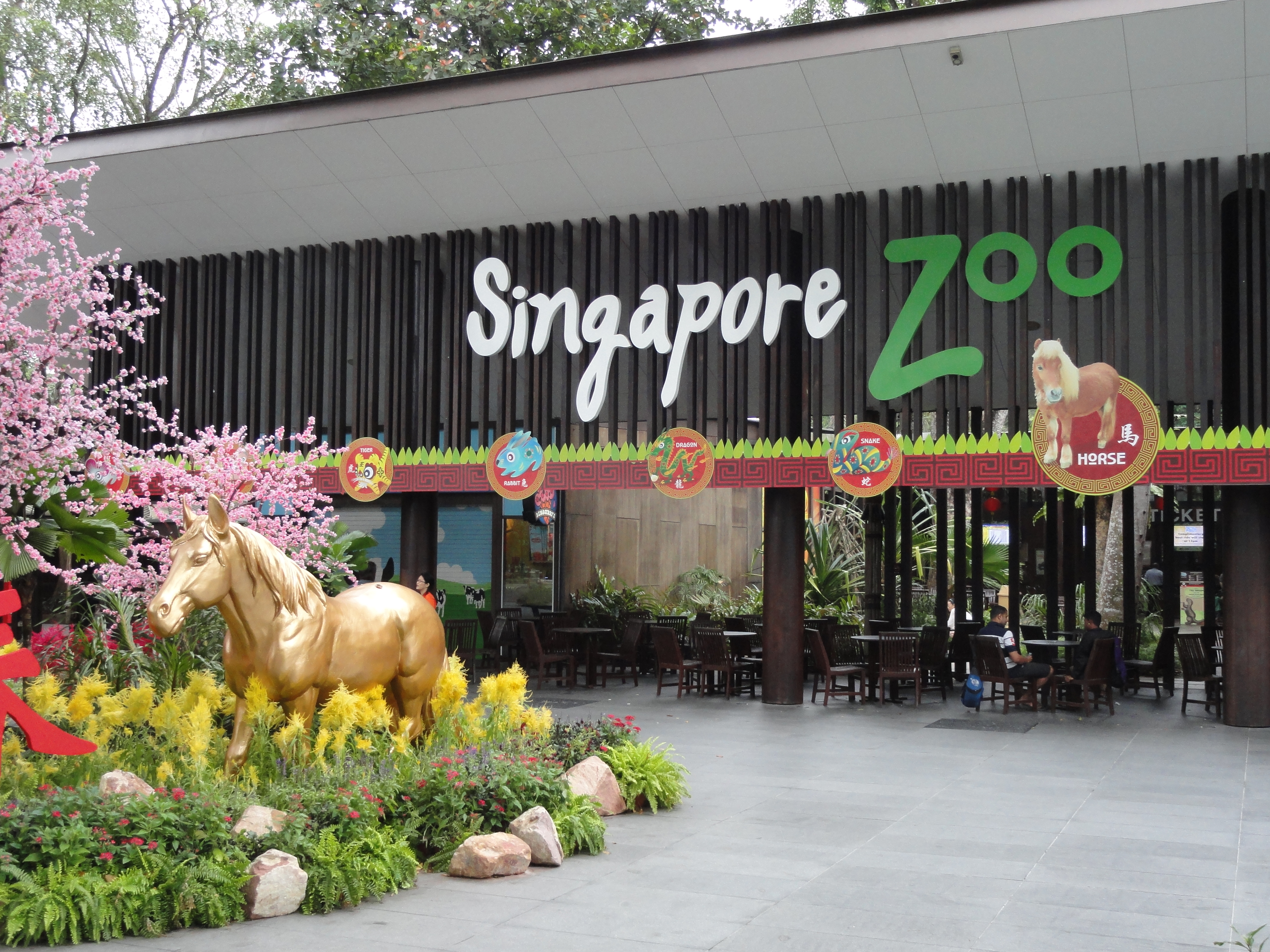
Singapore’s Mandai Wildlife Group, which operates Singapore Zoo and the wider Mandai Wildlife Reserve, provides another useful example. The group states that its revenue funds conservation in Singapore and Southeast Asia, and that it provides funding and in-kind support to Mandai Nature for conservation work across Southeast Asia. Mandai also says it is directly involved in local and regional conservation work for threatened species such as the Sunda pangolin and Raffles’ banded langur through its Care For Planet work.
This broader role of modern conservation zoos is also reflected in the 2023 Biological Conservation paper, The value of zoos for species and society: The need for a new model. The paper argues that modern zoos should not be understood only through the old four-part model of conservation, education, research and recreation, but as hubs within a wider network of conservation and societal activity. Importantly, it also acknowledges the criticisms and challenges zoos face, which makes it useful for this argument: the best zoos can contribute to species protection, education, scientific research, conservation skills and public engagement, but they still need to prove that value in practice rather than rely on tradition, branding or good intentions.
This is why the zoo and aquarium debate has to stay on the spectrum. Good facilities can do far more than display animals. They can fund, staff, research, train, educate and directly support conservation work that would otherwise struggle to exist. Bad facilities do the opposite. They use the language of conservation while failing to provide meaningful conservation, proper welfare or transparent evidence of impact.
The conservation funding question matters here too. Protecting wildlife is expensive. Habitat protection, anti-poaching patrols, veterinary care, breeding programmes, research, education, rescue work, enforcement, staff training and long-term animal care all require money. Good zoos and aquariums can help provide that funding, not just through ticket sales, but through fundraising, grants, partnerships, memberships, education programmes and direct conservation support.
This is where the simplistic ‘all zoos are bad’ argument falls apart completely. Some zoos and aquariums contribute directly to species survival, habitat protection, public education, veterinary research and conservation funding. Some maintain carefully managed assurance populations for species under severe threat. Some support reintroduction programmes where appropriate. Some fund anti-poaching work, habitat restoration, local conservation organisations and long-term field research. Some care for animals that cannot be released and provide them with a better life than any realistic alternative.
Judging Zoos And Aquariums On Merit And Impact
That does not mean every zoo deserves support because it uses the word conservation. It means the best zoos and aquariums should be judged by what they actually do, not dismissed because worse facilities exist under the same label.
A responsible zoo or aquarium should be able to prove its value. It should be transparent about where its animals come from, why they are there, what welfare standards are in place, how enclosures are designed, what enrichment is provided, what veterinary oversight exists, what breeding programmes it participates in and what conservation work it supports. It should be able to show that education is meaningful, not just a few signs beside an enclosure. It should be able to demonstrate that animal welfare comes before visitor entertainment.
The best zoos and aquariums are constantly improving. They invest in larger, more complex enclosures. They phase out outdated practices. They restrict or remove inappropriate visitor interactions. They support field conservation. They work with external welfare standards. They employ qualified keepers, vets, researchers and educators. They recognise that captivity has to earn its ethical justification, and they accept that high standards are not optional.
The worst facilities do the opposite. They keep animals in poor conditions, hide behind vague conservation language, offer unnatural performances, encourage handling or selfies, breed animals for visitor demand, ignore behavioural needs and treat wildlife as a commercial asset. These places should not be defended because good zoos exist. They should be forced to improve or, where they cannot or will not meet acceptable welfare standards, shut down.
But even this is not the full ethical picture, because the argument is not only about whether individual facilities are good or bad. It is also about which animals can realistically have a good quality of life in captivity at all. Some species can adapt relatively well to high-welfare captive environments when they are given appropriate space, enrichment, social structures, veterinary care and behavioural choice. Others are far harder to justify in captivity because their natural lives depend on vast ranges, complex migration, deep social bonds, high intelligence or environmental conditions that are almost impossible to recreate.
Different Species Have Different Needs
This is where a more nuanced position is needed. A well-run zoo may provide good care for some rescued, non-releasable or conservation-managed animals, while still having to ask serious questions about whether it should keep elephants, great apes, polar bears, large cetaceans or other species whose needs are exceptionally difficult to meet. Whales and dolphins are the clearest example in marine parks and aquariums. Their natural lives involve complex communication, social structures and movement across huge ocean environments, which is why organisations such as Whale and Dolphin Conservation argue that travellers should avoid dolphin shows, whale shows and captive swim-with-dolphin experiences entirely.
The same principle applies to elephants. They are highly intelligent, socially complex, wide-ranging animals with deep family bonds and significant physical, behavioural and psychological needs. That does not mean every individual elephant currently in captivity can simply be released; many cannot. But it does mean that keeping elephants in zoos or captive attractions should face far higher scrutiny than keeping species whose needs can be met more realistically in a managed environment. The question is not just whether the facility is well-meaning. The question is whether captivity can genuinely meet the needs of that species and that individual animal.
This is the responsible compromise. Good zoos and aquariums can do real good, but that does not mean every species belongs in them. Some animals may need lifetime care because release is impossible. Some may be part of carefully managed conservation programmes. Some may thrive in high-welfare environments. Others should not be bred into captivity, displayed for entertainment or kept simply because visitors want to see them. A facility can be broadly responsible and still need to phase out certain species, end certain practices or admit that some animals are better protected in the wild than displayed behind barriers.
That is the spectrum again.
A zoo is not automatically ethical because it supports conservation. An aquarium is not automatically responsible because it teaches visitors about the ocean. But neither is every zoo or aquarium automatically cruel because animals are kept in captivity. The label is not the answer. The evidence is.
The best zoos and aquariums can play an important role in responsible wildlife tourism when they put welfare, conservation, education and transparency first. The worst exploit animals under the cover of public entertainment and should not receive a penny of traveller support.
The responsible traveller’s job is to know the difference.
Why Zoos Are An Important Part Of Responsible Wildlife Tourism
Despite claims to the contrary, zoos are an integral link in the conservation chain and should be part of any responsible tourism itinerary.
The Issues Around Sanctuaries And Rescue Centres
Sanctuaries and rescue centres occupy a very different emotional space in wildlife tourism than zoos and aquariums. The language itself feels safer. A sanctuary suggests refuge. A rescue centre suggests compassion. A rehabilitation centre suggests healing, recovery and a possible return to the wild. For many travellers, these places feel like the ethical alternative to traditional captive wildlife attractions.
Sometimes they are.
A genuine sanctuary or rescue centre can be one of the most important forms of captive wildlife care. These facilities can rescue animals from illegal wildlife trade, private ownership, roadside zoos, entertainment industries, abusive tourist attractions, conflict situations, injury, neglect or abandonment. Some provide lifetime care for animals that can never be released. Others rehabilitate animals with the aim of returning them to the wild where possible. Many operate with limited resources, difficult welfare cases and little of the glamour or funding associated with major zoos.
But the word sanctuary is not proof of ethics. It is a promise, and like any promise, it has to be backed up with evidence.
Why Sanctuaries Are Seen As The Ethical Alternative
Sanctuaries are often seen as the ethical alternative because, at their best, they exist in response to harm rather than as a cause of it. They are not supposed to breed animals for display, capture animals for visitor demand or use wildlife as entertainment. Their purpose should be rescue, rehabilitation, care, welfare and, where possible, release.
That is why travellers are naturally drawn to them. A sanctuary feels like a place where an animal has been saved from something worse. A bear rescued from bile farming, an elephant removed from logging or trekking, an orangutan orphaned by habitat destruction, a big cat taken from private ownership or a monkey confiscated from the illegal pet trade all create a powerful emotional pull.
And in many cases, that work is real and vital. Some animals cannot go back to the wild because they have been injured, habituated to humans, captive-bred, socially damaged or kept in conditions that destroyed their ability to survive independently. For these animals, a genuine sanctuary may be the best possible life left.
But that emotional response is also exactly why travellers need to be careful. The more powerful the rescue story, the easier it is for unethical operators to use that story as marketing.
The Problem With The Word Sanctuary
The biggest issue with sanctuaries is that the word itself can be deeply misleading. In many places, “sanctuary” is not a meaningful guarantee of animal welfare, conservation standards or external oversight. A facility can call itself a sanctuary while still breeding animals, allowing visitor handling, encouraging selfies, selling feeding sessions, forcing performances or keeping animals in poor conditions.
That is why the label cannot be trusted on its own.
A real sanctuary should exist for the animals first. Visitor access should be secondary, carefully controlled and designed around animal welfare. If tourism is allowed, it should support the sanctuary’s work without interfering with care, rehabilitation or natural behaviour. The visitor experience should never be built around touching, holding, feeding, cuddling, riding or posing with wild animals.
The problem is that bad facilities understand the emotional power of the sanctuary label. They know travellers want to do the right thing. They know people are more likely to pay if they believe their money is helping rescued animals. So they use words like rescue, sanctuary, ethical, conservation and rehabilitation while offering exactly the kind of interaction responsible travellers are trying to avoid.
A sanctuary that sells access to animals as the main attraction is already asking the wrong question. The issue is not “what can visitors do with the animal?” The issue is “what does this animal need from us?”
Rescue Does Not Automatically Mean Ethical
Even genuine rescue does not automatically make a facility ethical. The important question is what happens after rescue.
Was the animal rescued legally and transparently? Is the facility qualified to care for that species? Is rehabilitation genuinely possible? If release is not possible, is lifetime care properly planned and funded? Are animals kept in appropriate social groups? Do they have space, enrichment, veterinary care and the ability to retreat from visitors? Are they protected from unnecessary human contact? Is tourism helping the animal, or is the animal being used to maintain tourism?
A rescue story can explain why an animal is in captivity. It does not automatically justify how that animal is treated afterwards.
This is especially important because “rescued” animals can still be exploited. An elephant rescued from trekking can still be made to bathe with tourists. A monkey rescued from the pet trade can still be handled for photos. A tiger rescued from poor conditions can still be displayed for visitor entertainment. A parrot rescued from private ownership can still be used for tourist interactions.
The ethical test is not whether the animal has a sad backstory. The ethical test is whether the facility is now giving that animal the best possible life.
The Horrible Truth About Animal Sanctuaries
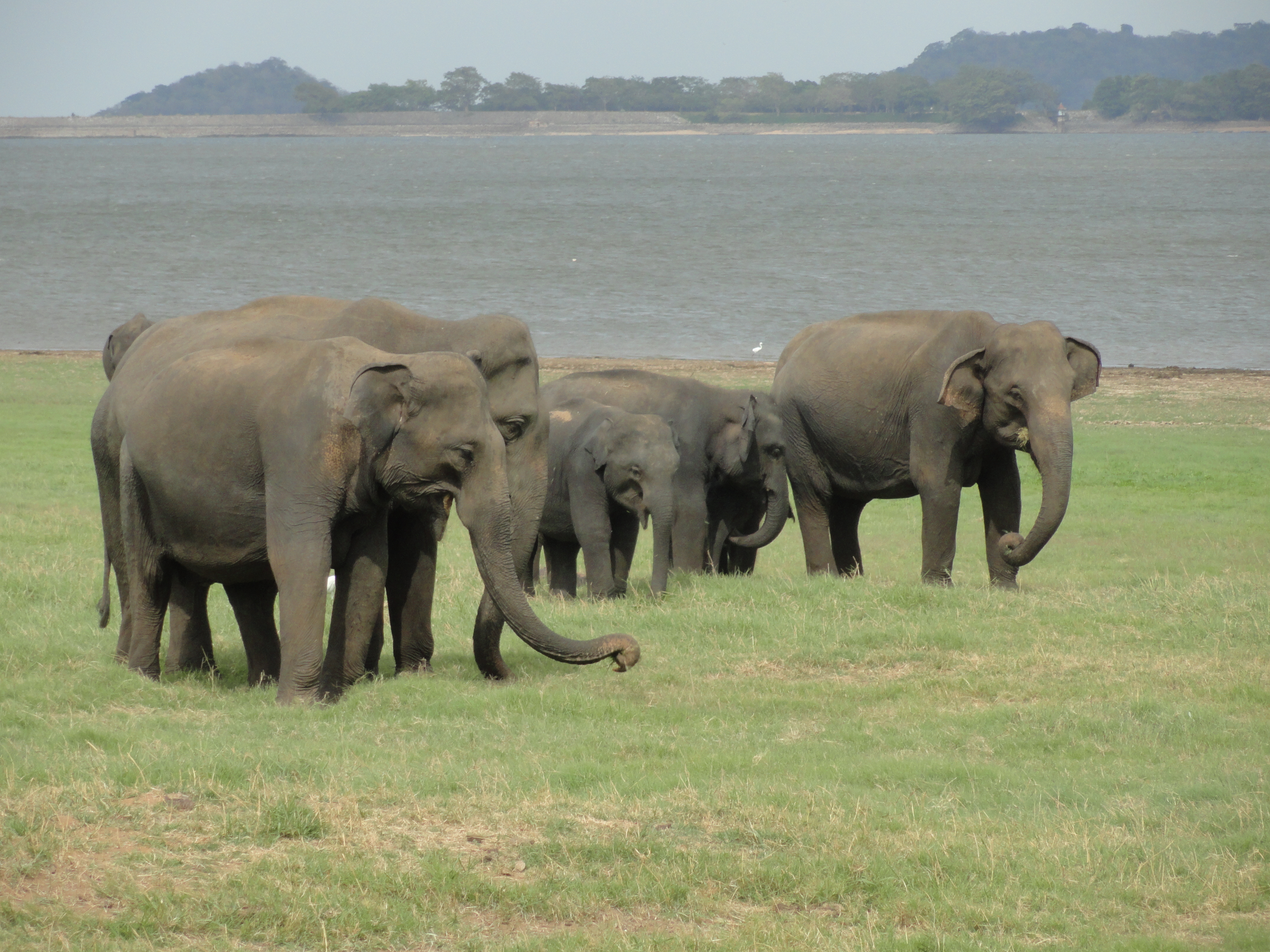
Animal and wildlife sanctuaries are a huge part of the gap year industry, but not all of these sanctuaries are what they seem and many often do far more harm than good. Read on and learn the real truth behind many of these so called sanctuaries.
When Sanctuaries Become Exploitation
Sanctuaries become exploitative when the rescue story becomes a sales pitch and the animals become the product.
One of the clearest red flags is constant access to baby animals. Cubs, infants and young animals are extremely marketable because they are cute, photogenic and emotionally powerful. But a responsible sanctuary should not have a constant supply of babies unless there is a clear, transparent and welfare-led explanation. In many unethical facilities, babies exist because animals are being bred, separated, handled and cycled through visitor experiences.
Cub-petting is one of the worst examples of this. Tourists are told they are helping orphaned animals, supporting conservation or funding rescue work, but constant cub access often requires a constant supply of cubs. Those animals grow quickly, become too large or dangerous for tourist contact, and their future is often unclear. That is why big cat attractions, tiger selfies and lion cub-petting should face intense scrutiny. The problem is not just the photo. It is the entire supply chain behind the photo.
Other red flags include sanctuaries that allow tourists to hold, cuddle, walk with, bathe, feed or pose with wild animals; facilities that offer shows or performances; centres that breed animals while claiming to be rescue-only; vague claims about conservation with no evidence; no clear release policy; no explanation of animal origins; and marketing that focuses more on visitor experiences than animal welfare. A real sanctuary should not need to sell intimacy with wildlife to prove that it cares.
The Sad Tiger Temple Saga
Read the full Tiger Temple case study to see how one of Thailand’s most infamous wildlife selfie attractions rose to global fame, why campaigners warned against it for years, what happened when it was finally shut down, and why its lessons still matter wherever wild animals are used as props for tourist photographs.

What Genuine Sanctuaries And Rescue Centres Can Do Well
At their best, sanctuaries and rescue centres can do extraordinary work. They can provide lifetime care for animals that cannot return to the wild. They can rehabilitate animals that may one day be released. They can support law enforcement by taking in animals confiscated from illegal trade. They can educate visitors about the realities of wildlife exploitation. They can offer a practical alternative to euthanasia, private ownership or continued abuse.
The best sanctuaries often look less exciting to tourists because they are not designed around tourist access. You may see fewer animals. You may be kept at a distance. You may not be allowed to touch, feed or interact with anything. You may have to accept that some animals are hidden from view because they need privacy, recovery or reduced human contact.
That is not a failure of the visitor experience. It is often a sign that the facility is doing its job properly.
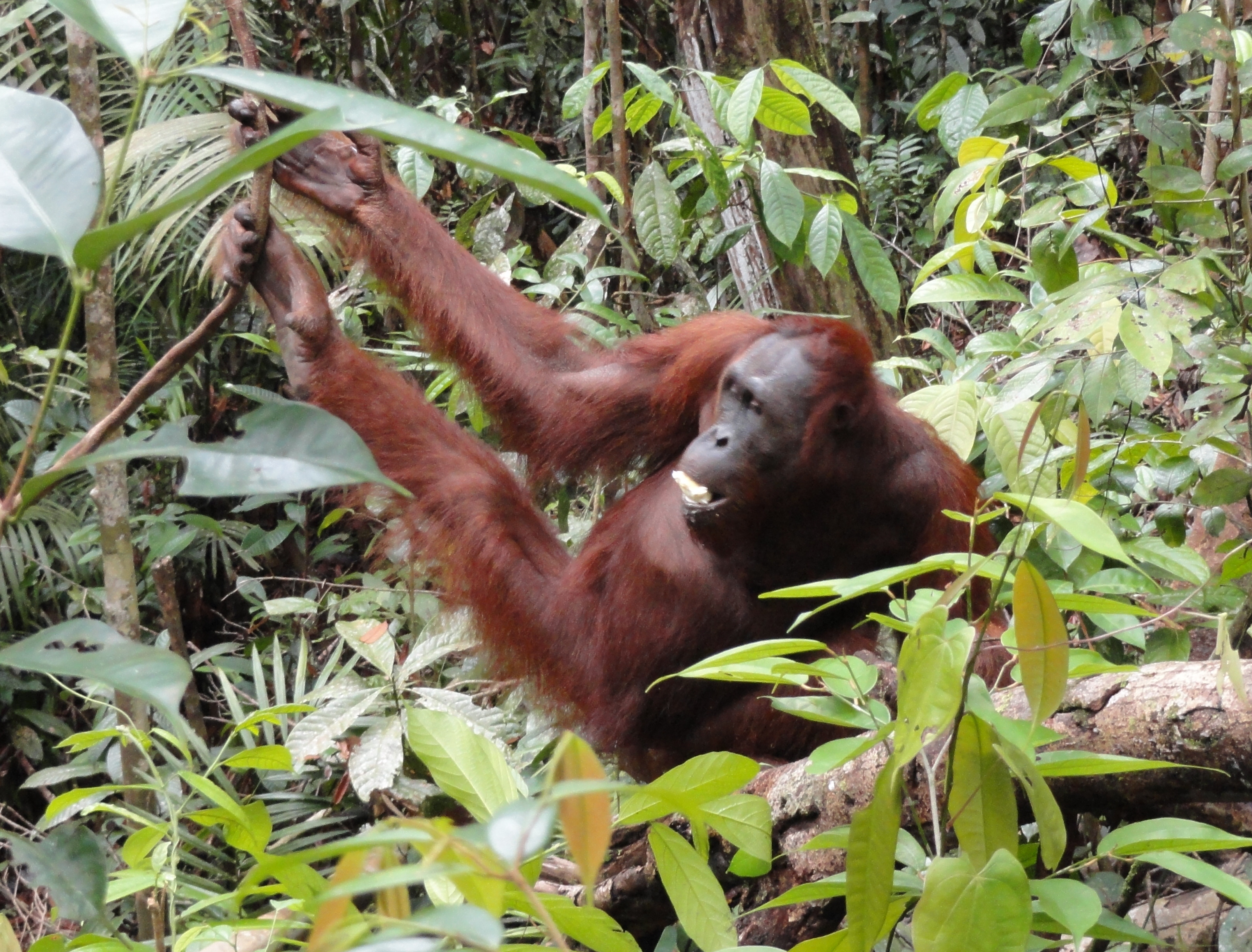
A good example is Semenggoh Wildlife Centre in Sarawak, Malaysian Borneo, where orangutan viewing is based on patience, distance and respect rather than guaranteed interaction. Semenggoh is not built around cuddling orangutans, forcing performances or promising tourists a perfect close-up encounter. The orangutans are semi-wild, sightings are not guaranteed, and the experience depends on the animals choosing whether or not to appear. That kind of hands-off model is exactly what responsible sanctuary and rehabilitation tourism should be aiming for.
The less control visitors have over the animal, the better. In genuine rehabilitation and sanctuary settings, that is often the whole point.
Responsible Orang Utan Spotting In Semenggoh Wildlife Centre
If you want to view orangutans in the semi wild then it is essential to do so in a responsible and ethical way, and Semenggoh orangutan rehabilitation centre is set up to do just that.
How To Judge A Sanctuary Or Rescue Centre
A responsible sanctuary or rescue centre should be able to explain exactly what it does and why. It should be transparent about where its animals came from, whether they were rescued, confiscated, surrendered, injured, orphaned or captive-bred. It should be clear about whether animals can ever be released, what rehabilitation involves, what happens to animals that cannot be released and how lifetime care is funded.
It should also have a clear breeding policy. In most genuine sanctuaries, breeding should either not happen at all or should only happen as part of a transparent, scientifically managed conservation programme. A facility that claims to rescue animals but also has a steady supply of babies should raise serious questions.
Visitor interaction is another major test. Responsible sanctuaries should avoid direct contact with wild animals unless there is a genuine veterinary or welfare reason. Touching, feeding, bathing, cuddling, walking with animals or posing for selfies should not be part of the standard visitor experience. If an animal is being rehabilitated for release, habituating it to tourists can actively harm its chances of survival.
A good sanctuary should also be open about veterinary care, enclosure standards, enrichment, staffing, funding, governance, partnerships, permits and external oversight. It should welcome serious questions rather than hide behind emotional storytelling.
The key question is simple: does this place exist for the animals, or do the animals exist for the visitors?
A genuine sanctuary may not give travellers the most dramatic wildlife encounter. It may offer distance instead of touch, education instead of entertainment and patience instead of guaranteed sightings. But that is exactly why it can be responsible.
Sanctuaries are not automatically good, just as zoos are not automatically bad. A genuine sanctuary can be one of the most ethical forms of captive wildlife care. A fake sanctuary can be one of the most manipulative forms of wildlife exploitation. The difference is not the word on the sign. It is the welfare, transparency and evidence behind it.
Visiting The Dragos Voda Bison Reserve In Romania
The Dragos Voda Bison Reserve in Romania is getting the balance between tourism and conservation absolutely right, and by succeeding in their mission to prevent these animals from going extinct they are the perfect example of how tourism and zoo breeding programmes can have a positive impact.
Saving Donkeys In Aruba
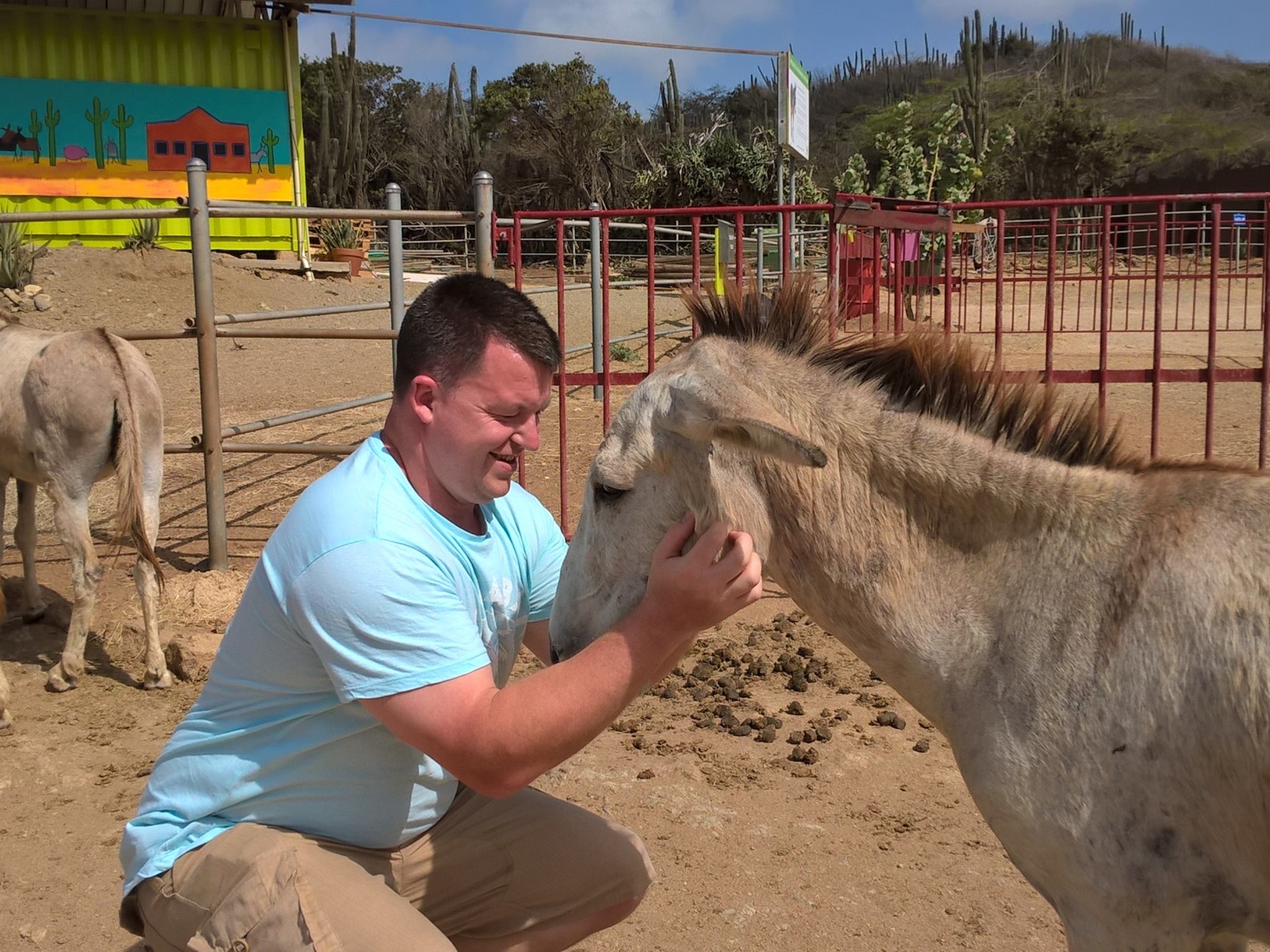
Tucked away in a desert island paradise in the middle of the Caribbean, the Aruba Donkey Sanctuary protects and cares for some of the islands most vulnerable and at risk inhabitants.
The Issues Around Marine Parks, Dolphin Shows And Captive Cetaceans
Marine parks, dolphinariums and captive cetacean attractions deserve their own discussion because dolphins, whales, orcas and porpoises are not just another category of captive wildlife. They are highly intelligent, socially complex, wide-ranging marine mammals whose lives are shaped by movement, sound, family bonds, deep diving, hunting, play, communication and vast ocean environments. The ethical argument is also far clearer here because the evidence of harm and welfare compromise is significantly stronger; World Animal Protection’s report, The Case Against Marine Mammals in Captivity, argues that it is always unacceptable to keep marine mammals in captivity for public display and tourist entertainment. No exceptions.
This is one area of wildlife tourism where the ethical line should be much firmer.
With zoos, aquariums and sanctuaries, there may be a legitimate spectrum. Some facilities do important conservation, rescue, research and education work, and provide holistic habitats for animals that ensure they are cared for and live a life far closer to the ethical ideal of freedom that not. Others exploit and harm animals and should not be supported. With captive cetacean entertainment, that spectrum narrows almost to nothing. Dolphin shows, whale shows, orca performances and swim-with-dolphin experiences are unethical, period, and responsible travellers should not support them.
The issue is not simply that some tanks are too small or some shows are badly run. The deeper issue is that captivity itself cannot meet the needs of dolphins and whales when they are kept for public display, performance, breeding or tourist interaction. On top of that, these animals are almost always turned into performers in some form, whether through choreographed shows, tricks, trainer-led routines, staged feeding sessions, photo opportunities or swim-with-dolphin experiences. That makes the ethical problem even clearer, because the animal is not being kept primarily for rescue, rehabilitation or conservation. It is being controlled, trained and used to entertain visitors.
Whale and Dolphin Conservation campaigns for a global ban on holding whales and dolphins for entertainment purposes, while the wider welfare case against captivity argues that the complex physical, sensory and social needs of cetaceans cannot be met in dolphinaria. A captive dolphin may be alive, fed and trained. That does not mean it has a good life.
Dolphin Shows And Swim-With-Dolphin Experiences Are Not Education
Dolphin shows, whale shows and swim-with-dolphin experiences are often sold as educational, inspirational or even therapeutic. That does not change what they are. The animal is being kept in captivity so that visitors can watch it perform, touch it, swim with it, pose with it or feel close to it.
That is entertainment, not conservation. And just like elephant riding, there is no debate. It is wrong.
The welfare concerns are not abstract. Cetaceans use sound to navigate, communicate and hunt. They live in complex social groups. Many travel over huge distances and dive through changing ocean environments. Tanks cannot replicate that range, depth, acoustic complexity, social choice or environmental variation.
Even Tripadvisor, normally slow to get on the bandwagon as long as it can keep selling tickets, finally announced it would stop selling tickets to attractions that exhibit captive whales, dolphins and porpoises in 2019. It didn’t go far enough of course, they added the addendum ‘if they are bred, imported or captured for public display’. But still, it is progress. The company’s position was blunt: whales and dolphins do not thrive in captivity, and their complex needs and wide-ranging natural behaviour cannot be mimicked in confined facilities.
That is not a fringe argument anymore. It is the mainstream welfare position.
Captive Breeding Makes The Problem Worse
Captive breeding is yet another of the clearest reasons these attractions should not be supported. Facilities often argue that their dolphins or whales were born in captivity and therefore cannot be released. In some individual cases, that may be true. But that argument collapses when the same facility continues breeding more animals into the same system.
Not for conservation purposes, not as part of an ethical breeding programme for population growth in partnership with international organisations. No. Breeding simply to have more whales and dolphins for captive shows.
A rescued or already captive dolphin may require lifetime care. That is a welfare problem that has to be managed. A captive-bred dolphin born into a dolphinarium to maintain shows, display or visitor experiences is something else entirely. That is not rescue. It is supply.
This is why ending captive breeding is so important. SeaWorld’s 2016 decision to end its orca breeding programme did not end all cetacean captivity, but it did acknowledge that breeding more orcas into entertainment-led captivity was no longer defensible.
The ethical position here should be clear: no more breeding dolphins, whales, orcas or porpoises for public display, shows, swim-with experiences or tourist entertainment. The fact this was and is a part of the tourist experience just keeps adding more and more weight to the unethical side of the argument.
Aquariums And Marine Parks Without Dolphins And Whales
Aquariums And Marine Parks Without Dolphins And Whales
This does not mean every aquarium or marine facility is automatically unethical. Aquariums can exist without dolphins, whales or porpoises. Many already do, and in countries such as the UK there have been no captive whales or dolphins on display since 1993, despite the fact that keeping cetaceans is not technically illegal. Stringent welfare requirements have effectively made captive cetacean display unviable, which proves two really important points.
First, the fact that these shows are unviable as soon as strngent welfare standards are enforced says everything.
Second, aquariums and marine education centres do not need dolphins, whales or orcas to exist. They can operate without them.
That distinction matters because there is a significant ethical difference between a marine facility built around ocean education and one built around cetacean performance. A responsible aquarium may focus on local marine ecosystems, coral reefs, fish, invertebrates, sharks, rays, jellyfish, sea turtles, sustainable seafood, plastic pollution, habitat protection, rescue, rehabilitation or conservation research. None of that requires a dolphin doing tricks in a tank or an orca performing to music.
Monterey Bay Aquarium is a useful example of a major aquarium model that does not rely on captive dolphin or whale shows. Its public conservation work includes ocean policy, sustainable seafood through Seafood Watch, plastic pollution campaigns, marine science education and wider ocean protection work. That does not mean every exhibit, species choice or aquarium practice should be accepted without scrutiny, but it shows there is a very different model from the dolphinarium or marine circus approach.
These examples are not rare exceptions either. Many modern aquariums, especially in countries where cetacean captivity has become socially, legally or commercially unacceptable, operate without whales and dolphins. The UK is a clear example, but the wider shift is visible elsewhere too, with travel companies, campaigners and some governments moving away from captive cetacean display and entertainment. A marine facility that chooses not to keep cetaceans is not unusual, and it is often operating on a more defensible ethical footing.
So the message is not ‘never visit an aquarium.’ The message is: do not support facilities that keep dolphins, whales or porpoises for entertainment, display, breeding or tourist interaction. Aquariums and marine education centres can exist without captive cetaceans. The better ones already prove that.
Rescue, Rehabilitation And Sanctuary Are Different From Dolphinariums
There is one necessary distinction. A marine rescue, rehabilitation or sanctuary facility is not the same as a dolphinarium, and the difference is not just branding. The purpose, visitor experience and ethical model are completely different.
A dolphinarium exists because visitors pay to see dolphins or whales perform, interact or remain on display. A genuine rescue or rehabilitation facility exists because animals are injured, sick, stranded, confiscated or otherwise unable to survive in the wild without human intervention. The aim should be treatment, recovery and release wherever possible, not performance or tourist access.
The National Marine Life Center in Massachusetts is a useful example of this model. Its stated mission is to rehabilitate and release stranded marine mammals and sea turtles while advancing science and education in marine wildlife health and conservation. That is a very different ethical starting point from keeping dolphins in tanks for shows.
The Marine Mammal Center in California is another strong example. Since 1975, it says it has rescued more than 27,000 marine mammals along 600 miles of California coastline and in Hawaiʻi. Again, the focus is rescue, treatment, rehabilitation, research and release, not performance. Visitors may learn from the work, but the animals are not there to entertain them.
Sanctuary models are different again. The SEA LIFE Trust Beluga Whale Sanctuary in Iceland was created to give two former captive beluga whales, Little White and Little Grey, a safer and more natural home in a sea sanctuary environment, while supporting research, education and protection of wild belugas. It is not the same as releasing captive-born or long-term captive cetaceans directly into the wild, which may be impossible or unsafe. But it is a very different direction from keeping them in tanks for public shows.
That is the ethical alternative: rescue where release is the goal, rehabilitation where recovery is possible, and sanctuary-style lifetime care where release is not. What makes these models more defensible is not that animals are still under human care, it is that human care exists because the animal needs it, not because tourists want to be entertained.
That nuance should not be used to excuse entertainment-led captivity. The responsible compromise is not better dolphin shows. It is no dolphin shows. It is no captive breeding for display. It is no swim-with-dolphin attractions. It is no orca performances. It is no pretending that a highly intelligent marine mammal performing tricks in a tank is conservation. It is not.
For cetaceans already trapped in captivity, the ethical challenge is how to provide the best possible lifetime care, ideally in more natural sanctuary-style environments where release is not possible. For travellers, the ethical choice is simpler: do not buy a ticket to watch dolphins or whales perform.
Ethical Whale And Dolphin Watching In The Wild
If travellers do want to see whales and dolphins, there is an ethical alternative: see them in the wild, with a responsible operator that follows strict wildlife watching guidelines and puts the animals’ welfare before the tourist experience.
This is the difference between exploitation and encounter. In a dolphinarium, the animal is confined, trained and made available on demand. In responsible wild whale or dolphin watching, the animal remains free, the encounter is not guaranteed, and the operator’s role is to minimise disturbance rather than control the experience.
A good wild whale or dolphin watching operator should never chase, bait, feed, touch, surround or harass animals. They should not promise guaranteed sightings or force an encounter for the sake of customer satisfaction. If the animals are not there, they are not there. If they move away, the boat should let them go. If they approach, the interaction should be passive and led by the animals, not engineered by the operator.
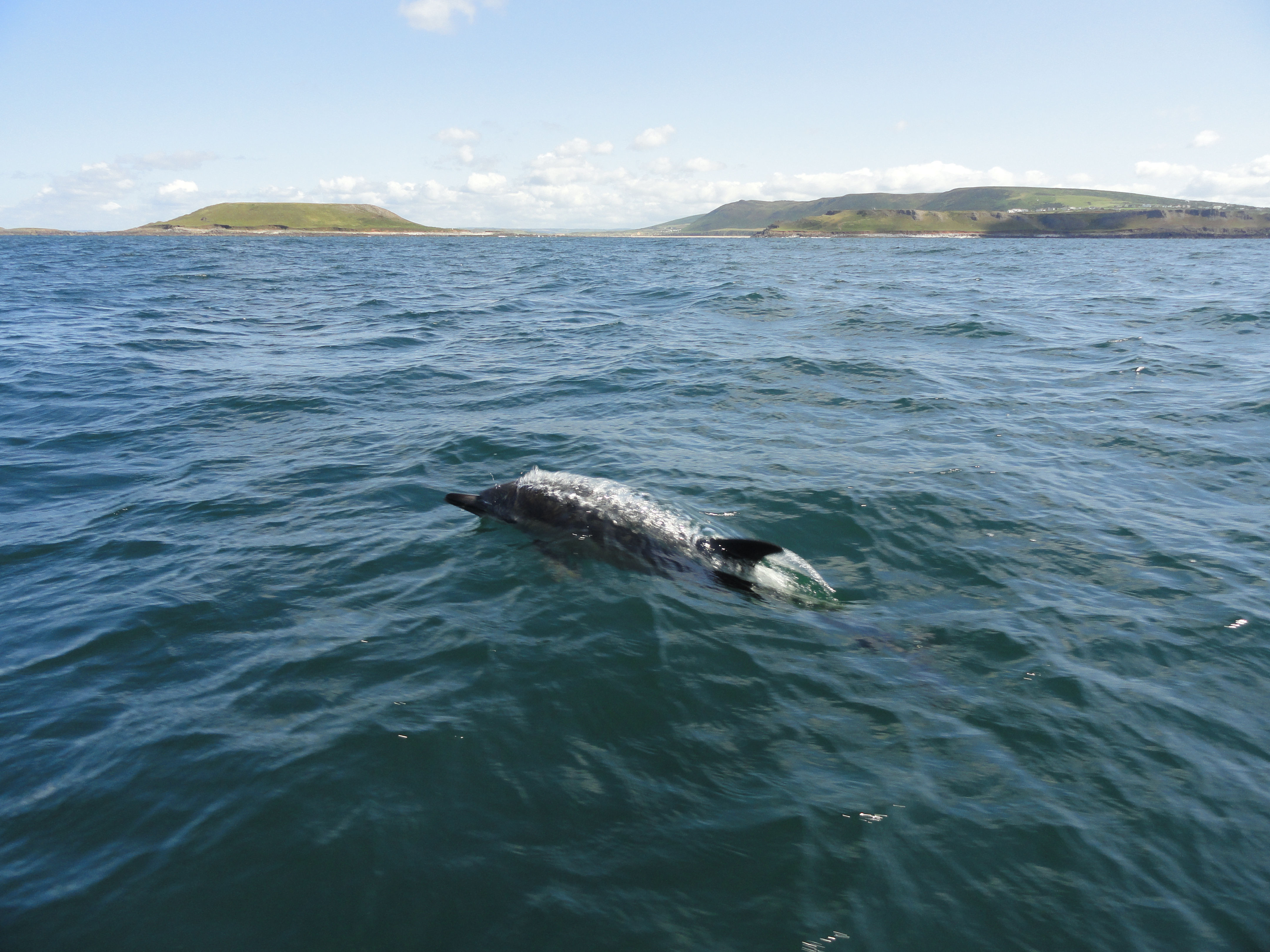
That is what responsible marine wildlife watching should look like. In my own experience with Gower Coast Adventures in Wales, the dolphins appeared because they chose to. There was no baiting, no chasing, no attempt to follow them when they moved away and no guarantee that we would see them at all. The boat slowed down, kept a respectful distance, allowed the dolphins to decide the interaction and then carried on when the pod left. That is the opposite of a captive dolphin show: the animals were wild, free and entirely in control of the encounter.
Responsible operators should also follow recognised marine wildlife watching principles. These commonly include keeping disturbance to an absolute minimum, approaching animals carefully if at all, never cutting across their path, never surrounding them with multiple boats, limiting viewing time, reducing speed, keeping noise down, avoiding mothers and calves where necessary, never entering the water with wild cetaceans and never allowing physical contact. Many good operators also support conservation by recording sightings, sharing data with local marine research organisations and educating passengers about the wildlife and habitats they are seeing.
This is where tourism can play a positive role. Responsible whale and dolphin watching can create income, public interest and conservation support without removing animals from the wild or forcing them to perform. It can help travellers understand marine life as something to respect, not consume. It can also give local communities an economic reason to protect living whales and dolphins in their natural environment.
But the ethics still depend on how it is done. Wild watching can become harmful if boats chase animals, crowd pods, block their movement, separate mothers and calves, encourage swimming with wild dolphins, bait wildlife or turn every sighting into a race between operators. A wild dolphin encounter is not automatically responsible just because it happens in the ocean.
The responsible alternative to captive dolphin entertainment is not uncontrolled wildlife chasing. It is patient, regulated, low-impact watching where the animal always has the choice to approach, avoid or leave.
That is the model travellers should support. Not dolphins in tanks. Not swim-with experiences. Not performances dressed up as education. Wild whales and dolphins, viewed respectfully, at distance, on their terms.
How Responsible Travel Is Boosting Welsh Tourism
Whale and dolphin spotting can be done responsibly and ethically, without the shows.
The Responsible Traveller’s Line
Responsible travellers should avoid dolphin shows, whale shows, orca performances, swim-with-dolphin experiences and any facility that keeps cetaceans primarily for public display, performance, breeding or tourist interaction.
See whales and dolphins in the wild instead, with a responsible operator that follows proper distance, boat behaviour and welfare guidelines.
This is one of the rare areas of captive wildlife tourism where the answer does not need to sit in a broad grey area. Dolphins and whales do not belong in tanks for entertainment. The evidence is clear, the harm is clear, and the responsible choice is not to support it.
The Issues Around Performing Animal Attractions
Performing animal attractions are one of the clearest examples of captive wildlife tourism becoming unethical. This is not simply about animals being kept in captivity. It is about animals being trained, controlled and made to perform unnatural behaviours for human entertainment.
That distinction matters. A responsible wildlife facility may allow visitors to observe animals, learn about conservation or watch natural behaviours from a respectful distance. A performing animal attraction does something very different. It turns the animal into the show.
This can include elephant shows, monkey performances, bird shows, snake charming, crocodile wrestling, big cat tricks, animal circuses, orangutan boxing, dancing bears, animals in costumes, staged feeding routines, photo-prop animals and so-called educational demonstrations where the real purpose is entertainment. The species may change, but the ethical problem is the same: the animal is being used to amuse, impress or interact with visitors on human terms.
Performing animals do not naturally paint pictures, ride bicycles, dance for crowds, jump through hoops, box, bow, balance on objects, pose for selfies, carry tourists or repeat tricks on command. Those behaviours have to be trained and maintained, often through control, repetition, punishment, deprivation, fear, food pressure or long-term conditioning. Even where overt cruelty is not visible to the tourist, the performance itself is a sign that the animal’s behaviour has been shaped around visitor demand rather than its own welfare.
This is why performing animal attractions should sit at the hard no end of the ethical spectrum. They are not conservation. They are not meaningful education. They do not teach respect for wildlife. They teach the opposite: that animals exist to entertain people.
There can be a difference between a performance and a genuinely welfare-led educational presentation. A keeper talk where visitors learn about natural behaviour, conservation, diet, habitat loss or rescue work is not the same as a monkey show or an elephant painting demonstration. Feeding talks, enrichment demonstrations or veterinary explanations can be responsible when they are based on normal care, do not force unnatural tricks, allow animals to opt out and put education before spectacle.
But that line is crossed the moment the animal becomes the entertainment.
The responsible traveller’s choice is simple: avoid any attraction where wild animals are made to perform tricks, interact with tourists, wear costumes, pose for photographs, carry people, fight, dance, paint, beg, wrestle or behave unnaturally for applause. These attractions should not be supported, no matter how they are marketed.
How To Judge A Captive Wildlife Facility
Once you understand that captive wildlife tourism exists on a spectrum, the next question is obvious: how do you tell where any given facility sits on it?
That is not always easy. Bad facilities can be very good at sounding ethical. They may use words like rescue, sanctuary, conservation, rehabilitation, education or welfare while still keeping animals in poor conditions or using them for entertainment. Good facilities, on the other hand, may not always offer the most exciting visitor experience because their priority is the animal, not the tourist.
That means responsible travellers need to look beyond the marketing and ask better questions.
The label above the gate is not enough. A zoo can be responsible or exploitative. A sanctuary can be genuine or fake. A rescue centre can prioritise rehabilitation or turn rescued animals into a tourist product. A marine facility can support conservation or use the ocean as a backdrop for entertainment. What matters is not what the facility calls itself. What matters is what it can prove.
Start With The Animal, Not The Label
The first question should always be: what is life like for the animal?
Not what does the website say. Not what does the brochure promise. Not how emotional is the rescue story. The real issue is whether the animal’s physical, behavioural and psychological needs are being met.
Can the animal move, rest, hide, socialise, forage, explore and behave naturally? Does it have appropriate space, shelter, enrichment, diet and veterinary care? Can it retreat from visitors? Is it kept with appropriate companions or social groups? Is it protected from stress, noise, crowds and constant exposure?
A facility that puts animals first will usually be designed around animal needs, not visitor convenience. You may not always get close. You may not always see every animal. You may not be allowed to touch, feed or interact. That is often a good sign.
If the visitor experience depends on guaranteed access, close contact or making the animal perform on demand, the facility is already moving in the wrong direction.
Look For Evidence, Not Marketing
Ethical language is easy. Evidence is not.
Any facility can say it supports conservation, rescues animals or educates visitors. A responsible facility should be able to explain exactly what that means. Which conservation projects does it support? How much money does it contribute? Which partner organisations does it work with? What research does it take part in? What happens to rescued animals? Are annual reports, welfare policies, conservation outcomes or accreditation details available?
Vague claims should raise questions. ‘We support conservation’ is not enough. ‘We rescue animals’ is not enough. ‘We educate the public’ is not enough.
Good facilities tend to be transparent. They publish information. They explain their work clearly. They answer difficult questions. They provide evidence of conservation, welfare, rescue, rehabilitation, breeding or education claims.
Bad facilities often rely on emotional storytelling, glossy photos, vague promises and defensive answers.
Ask Where The Animals Came From
Animal origin is one of the most important questions in captive wildlife tourism.
Were the animals rescued, confiscated, surrendered, injured, orphaned, captive-bred or wild-caught? Were they taken from the illegal wildlife trade? Were they transferred from another facility? Were they bred on site? Were they bought, sold or traded?
A responsible facility should be able to explain why each animal is there and whether it can ever be released. This is especially important for sanctuaries and rescue centres. If a facility claims to rescue animals but also has a steady supply of babies, allows tourist handling or cannot explain where animals came from, that is a major warning sign.
Wild-caught animals should raise serious concern unless there is a clear, legitimate, conservation-led or welfare-led reason. Captive-bred animals also need scrutiny. Breeding is not automatically unethical, but it must have a purpose beyond keeping the attraction stocked.
Ask Whether Breeding Is Justified
Breeding is one of the clearest ways to separate responsible conservation from commercial exploitation.
In some cases, breeding may be part of a recognised, scientifically managed conservation programme. It may support species survival, genetic management or carefully planned reintroduction work. In those cases, the facility should be transparent about the programme, the species involved, the conservation goal and the external oversight.
But breeding animals because visitors like babies, because interactions sell well, because the facility needs more animals for display, or because young animals are easier to handle is unethical.
This is especially important with big cats, primates, elephants, dolphins and other high-profile species. Constant baby animals are not usually a sign of successful rescue. They are often a sign of breeding for tourism.
A good facility should be able to explain not just whether it breeds animals, but why.
Look At Space, Choice And Natural Behaviour
Good welfare is not just about food, water and a clean enclosure. Those are minimum standards, not proof of a good life.
A responsible facility should allow animals as much choice and natural behaviour as possible. That means space to move, places to hide, appropriate social structures, enrichment, varied environments, species-specific care and the ability to avoid visitors.
The Five Domains model is useful here because it looks beyond basic survival and considers nutrition, environment, health, behaviour and mental state. That is how travellers should think too. The question is not simply “is the animal alive and fed?” The question is “does this animal have a good quality of life?”
Some practical signs are easy to look for. Are animals pacing, rocking, swaying, over-grooming or repeating abnormal behaviours? Are enclosures barren? Are social animals isolated? Are nocturnal animals exposed to constant daytime crowds? Are animals able to get away from people? Are there signs of enrichment and natural behaviour?
You will not be able to judge everything from one visit, but you can often tell whether a facility has been built around the animal or around the visitor.
Question Visitor Interaction
Direct interaction is one of the biggest red flags in captive wildlife tourism.
Touching, holding, cuddling, feeding, bathing, walking with, riding, swimming with or posing beside wild animals should all be questioned. These experiences are often sold as intimate, meaningful or educational, but they usually require animals to tolerate repeated human contact that they would not naturally choose.
The problem is not just the moment of contact. It is the training, control, habituation and repetition behind it. An animal that calmly poses with tourists all day has usually been conditioned to do so. A wild animal used for selfies, cuddles, rides or swim-with experiences is not expressing natural behaviour. It is being made available for human entertainment.
There may be limited exceptions for genuine veterinary care, rehabilitation work or carefully managed domestic animal encounters, but as a rule, wild animals should not be used for tourist interaction.
If the main selling point is touching the animal, the facility is probably not putting welfare first.
Check Accreditation, But Do Not Rely On It Alone
Accreditation can be useful, but it should not be treated as a free pass.
Membership or accreditation from organisations such as WAZA, EAZA, BIAZA or the Global Federation of Animal Sanctuaries can indicate that a facility is working within recognised standards and external oversight. That is better than no accountability at all.
But accreditation does not remove the need for judgement. Standards vary. Enforcement varies. Some good facilities may not have access to major accreditation systems, especially in lower-income regions. Some accredited facilities may still make choices that deserve scrutiny.
Use accreditation as one piece of evidence, not the whole answer.
A responsible facility should still be transparent about welfare, animal origin, breeding, visitor interaction, conservation impact and long-term care.
Follow The Money
Responsible captive wildlife tourism should be able to show where the money goes.
Visitor income can be genuinely valuable when it funds veterinary care, rescue work, habitat protection, conservation research, local employment, education, anti-poaching work, rehabilitation or lifetime care for non-releasable animals. That is one of the strongest arguments for supporting good facilities.
But money can also fund expansion, marketing, breeding, entertainment, animal acquisition and profit without meaningfully improving welfare or conservation.
Ask what your ticket supports. Does the facility publish conservation spending? Does it fund field projects? Does it support local communities? Does it invest in animal welfare, enclosure improvement, staffing and veterinary care? Or does most of the marketing focus on shows, selfies, contact experiences and guaranteed encounters?
A good facility should not be vague about this. If conservation is the selling point, there should be evidence.
Be Wary Of Guaranteed Experiences
Wildlife is not supposed to work to a schedule.
Guaranteed sightings, guaranteed touching, guaranteed feeding, guaranteed bathing, guaranteed photos or guaranteed swim-with experiences are all warning signs when wild animals are involved. They suggest that the animal’s behaviour is being controlled to meet visitor expectations.
Responsible wildlife tourism usually involves uncertainty. You may not see the animal. You may only see it from a distance. It may hide, sleep, move away or choose not to engage at all.
That is not a poor experience. That is respect.
A facility that allows animals to say no is usually more ethical than one that guarantees tourists a perfect encounter.
Ask What Happens When The Animal Is No Longer Useful
This is one of the most important questions, especially with attractions that involve baby animals, performances, photo opportunities or close contact.
What happens when the cub grows up? What happens when the monkey becomes aggressive? What happens when the elephant is too old to work? What happens when the dolphin no longer performs? What happens when the parrot stops being photogenic? What happens when the animal becomes expensive to care for?
Responsible facilities plan for lifetime care. Exploitative facilities often rely on a constant stream of young, manageable or marketable animals.
If a facility cannot explain long-term care, transfer policies, retirement, non-breeding policies or what happens to animals after visitor interaction ends, that is a serious problem.
Judge The Whole Model, Not One Nice Moment
A tourist can have a beautiful moment in a bad facility. That does not make the facility ethical.
You may feel moved by touching an elephant, swimming with a dolphin, holding a tiger cub or feeding a monkey. The staff may seem kind. The animal may look calm. The setting may feel peaceful. The story may sound convincing.
But responsible travel requires looking beyond the moment. How was that interaction made possible? What training or control was involved? How many tourists repeat it every day? What happens when the animal refuses? What happens when it grows up? What does the facility do when no one is watching?
The ethics are not in how the experience makes the visitor feel. They are in what the animal has to endure for that experience to happen.
The Core Test
A good captive wildlife facility should be able to answer these questions clearly:
- Why is this animal here?
- Can it ever be released?
- If not, why not?
- Where did it come from?
- Is it being bred?
- What welfare standards are in place?
- Can it behave naturally?
- Can it retreat from visitors?
- Is direct contact allowed?
- What conservation work is genuinely supported?
- Where does visitor money go?
- Who provides external oversight?
- What happens to animals in the long term?
If the answers are clear, transparent and welfare-led, the facility may sit toward the responsible end of the spectrum. If the answers are vague, defensive, emotional or built around visitor access, it probably does not.
The simplest rule is this: if the facility exists primarily for the animal, evidence will show that. If it exists primarily for the visitor, the animal will usually be the product.
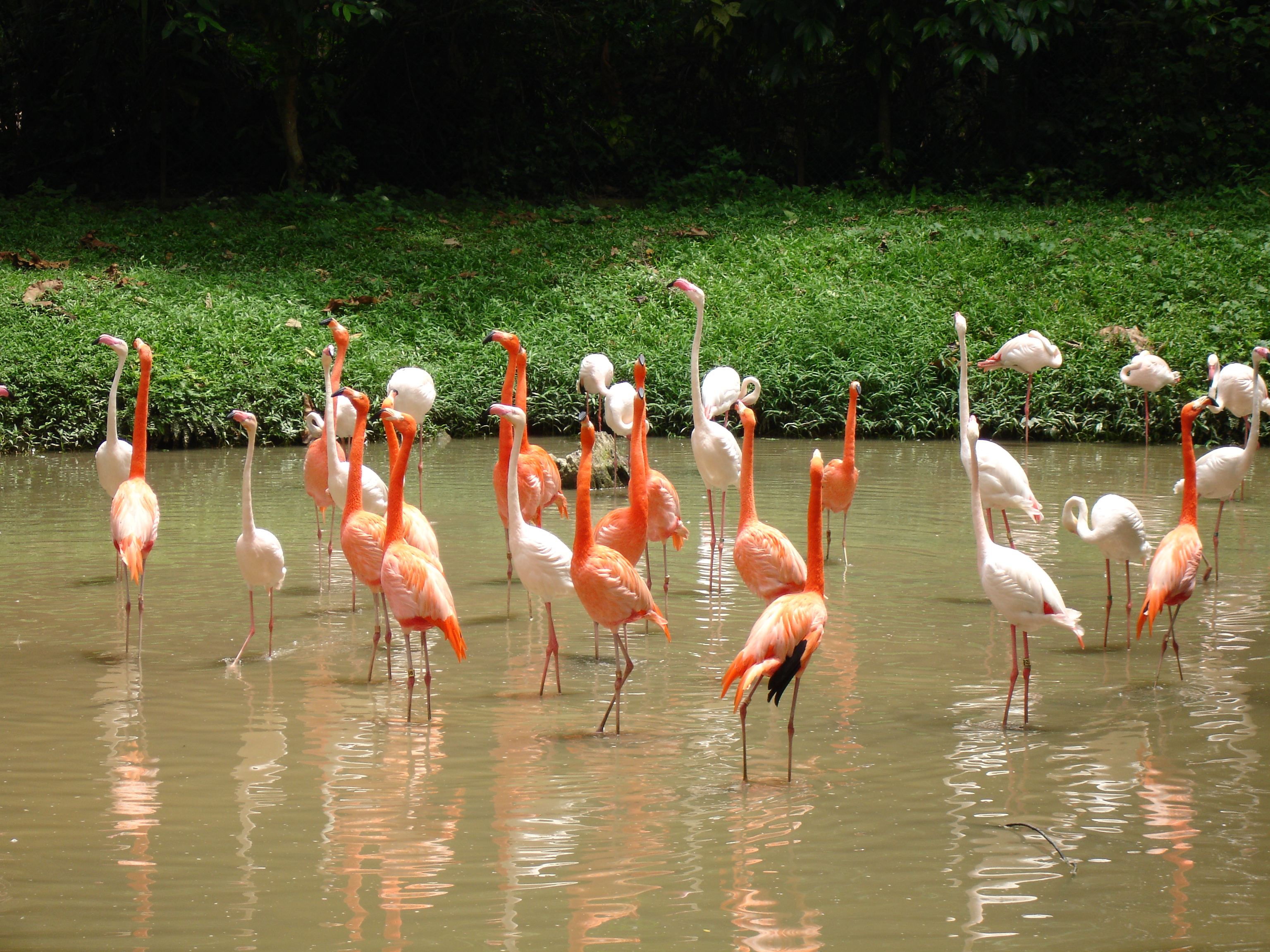
Red Flags In Captive Wildlife Tourism
Once you know what responsible captive wildlife tourism should look like, the warning signs become much easier to spot. A single red flag may not always tell the whole story, but the more of these you see, the more cautious you should be.
Some facilities are very good at using the language of rescue, conservation, education or sanctuary care while still exploiting animals. Others may not even try to hide it, openly selling performances, selfies, rides, feeding sessions or close-contact encounters as the main attraction.
Responsible travellers should learn to recognise the difference.
Direct Contact With Wild Animals
Direct contact with wild animals is one of the biggest warning signs in captive wildlife tourism, but it still needs to be judged with context.
Touching, holding, cuddling, bathing, feeding, riding, walking with, swimming with or posing beside wild animals should always make responsible travellers ask serious questions. These experiences are often marketed as once-in-a-lifetime encounters, but they can require animals to tolerate repeated human contact that they would not naturally choose.
The issue is not only the moment the tourist sees. It is the system behind that moment. How has the animal been trained or conditioned to accept contact? How many visitors does it interact with every day? Can it walk away? What happens if it refuses? Was it bred, captured, separated, restrained or habituated specifically to make that interaction possible?
That does not mean every form of contact is automatically unethical in every setting. Some sanctuaries, rescue centres or domestic animal welfare projects may allow limited, carefully managed interaction when it genuinely fits the animal’s needs and does not compromise welfare. A donkey sanctuary, for example, may allow visitors to stroke or spend time near donkeys that are comfortable with human contact, especially if those animals are domesticated, rescued and used to people. Some elephant bathing experiences may sit in a more complex grey area if they are genuinely controlled around the elephant’s routine, involve no restraint or coercion, allow the elephant to leave, avoid repeated tourist handling and are not staged purely for photographs.
But that is the key distinction: the interaction must be built around the animal, not the visitor.
If contact is occasional, optional, welfare-led, closely supervised and based on the animal’s comfort, it may be very different from a facility selling endless touching, bathing, feeding, selfies or cuddling sessions throughout the day. If the animal can choose to move away, avoid contact, rest or ignore visitors, that is very different from an animal being positioned, restrained, commanded or made available for every tourist who pays.
Wild animals should not exist as props for tourist intimacy. If the main selling point is touching the animal, the facility is already moving in the wrong direction. If any interaction is allowed, it should be limited, transparent, welfare-led and clearly secondary to the animal’s needs.
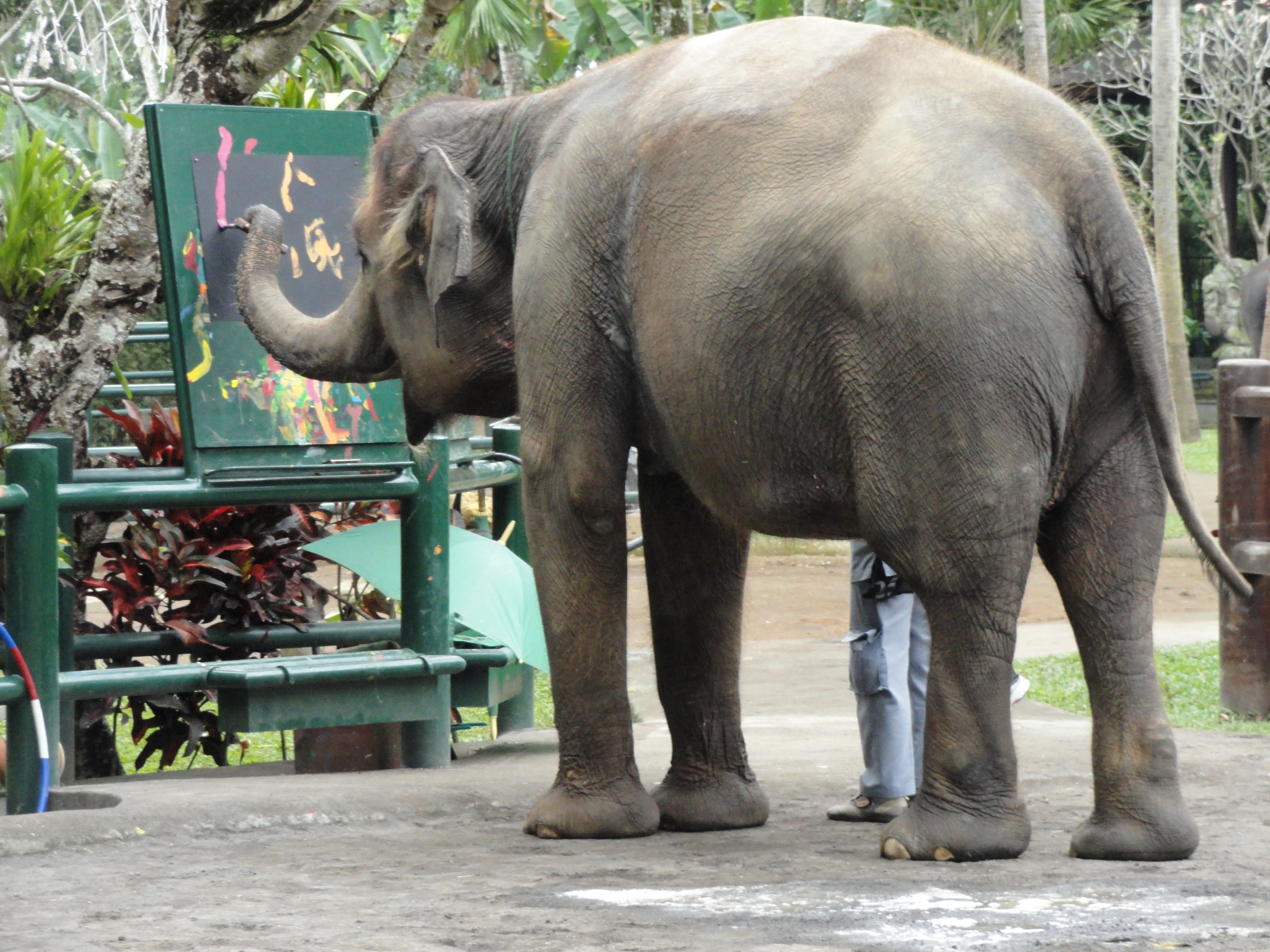
Animal Performances Or Tricks
Any attraction where wild animals perform tricks, routines or staged behaviours for visitors should be avoided.
This includes dolphin shows, whale shows, elephant painting, monkey performances, bird shows, crocodile wrestling, snake charming, big cat tricks, animal circuses, orangutan boxing, dancing bears, animals in costumes, staged feeding shows and so-called educational demonstrations where the real purpose is spectacle.
Wild animals do not naturally dance, paint, box, bow, ride bicycles, jump through hoops, balance on objects, perform routines or pose on command for crowds. These behaviours are trained, repeated and maintained for human entertainment.
That is not conservation. It is exploitation dressed up as fun.
Constant Baby Animals
A constant supply of baby animals is a serious red flag.
Tiger cubs, lion cubs, baby monkeys, young sloths, baby elephants or other infant animals may be used to attract tourists because they are cute, photogenic and emotionally powerful. Facilities often claim these animals are orphaned, rescued or being cared for temporarily, but responsible travellers should ask why babies are always available.
Where are they coming from? Are the animals being bred? Are they being separated from their mothers? What happens when they grow too large, dangerous or expensive to handle? Where do they go when they are no longer useful for photos or visitor interaction?
A genuine rescue facility may occasionally care for young animals. It should not have a constant production line of them.
Vague Rescue Or Conservation Claims
Be wary of facilities that use words like rescue, sanctuary, conservation, rehabilitation or education without explaining exactly what they mean.
A responsible facility should be able to tell you where its animals came from, why they are there, whether release is possible, what welfare standards are in place, what conservation projects it supports and how visitor money is used.
Vague claims are not enough. “We support conservation” means very little unless the facility can show which projects it supports, who its partners are, what outcomes exist and how much funding actually goes toward conservation.
The same applies to rescue. A sad backstory may explain why an animal is in captivity, but it does not automatically prove the facility is ethical. What matters is what happens next.
Breeding For Visitors
Breeding is not automatically unethical, but it must have a clear, welfare-led or conservation-led purpose.
If a facility claims to be a sanctuary or rescue centre but continues to breed animals for display, interaction, photo opportunities or visitor demand, that is a major warning sign. Genuine sanctuaries generally should not be breeding animals unless there is a transparent, scientifically managed conservation reason.
Breeding becomes especially problematic when young animals are used for cub-petting, selfies, handling, shows or close-contact experiences. In those cases, breeding is not conservation. It is supply.
A responsible facility should be able to explain why breeding occurs, who oversees it, what conservation purpose it serves and what happens to the animals throughout their entire lives.
Poor Welfare Conditions
Some welfare problems are visible even to casual visitors.
Small cages, barren enclosures, dirty water, lack of shade, no shelter, chains, concrete floors, overcrowding, isolation of social animals, visible injuries, untreated wounds, poor body condition or animals exposed constantly to crowds should all raise concern.
Behaviour matters too. Pacing, swaying, rocking, over-grooming, bar-biting, circling, lethargy or repetitive abnormal behaviour can be signs of stress, boredom or poor welfare. You may not be able to diagnose an animal’s condition from one visit, but you can still recognise when an environment appears to be built around display rather than wellbeing.
A responsible facility should provide space, complexity, enrichment, privacy, appropriate social conditions, veterinary care and the ability for animals to retreat from visitors.
Guaranteed Encounters
Wildlife should not be guaranteed on demand.
Guaranteed photos, guaranteed feeding, guaranteed bathing, guaranteed swims, guaranteed cuddles, guaranteed close-ups or guaranteed interaction usually mean the animal’s behaviour is being controlled to meet tourist expectations.
That is especially concerning with wild animals. A responsible facility should allow animals to avoid visitors, hide, rest, move away or simply not engage. A genuine wildlife experience often involves patience and uncertainty.
If the attraction promises that every visitor will get the same close encounter, ask what has to happen to the animal to make that promise possible.
No Transparency
Lack of transparency is one of the clearest warning signs.
If a facility cannot or will not explain where its animals came from, why they are in captivity, whether they can be released, what happens to them long term, what breeding policy exists, who provides veterinary care, what standards it follows or how visitor money is used, be cautious.
Defensive answers are a warning sign too. Responsible facilities should welcome serious welfare questions. They should be open about their limitations, policies, mistakes, improvements and long-term goals.
A facility that asks visitors to simply trust the label is not doing enough.
Animals Used As Photo Props
Any facility that allows wild animals to be used as photo props should be avoided.
This includes tigers chained for selfies, birds placed on shoulders, snakes wrapped around tourists, monkeys in clothes, sloths passed from person to person, big cats posed beside visitors, dolphins used for kiss photos or any animal made available primarily for social media content.
The welfare issue is not only the photograph. It is the restraint, training, habituation, handling, stress and repetition behind it. A single tourist photo may last seconds. The animal may have to endure that interaction all day, every day.
If the experience is designed around the visitor’s image rather than the animal’s welfare, it is not responsible wildlife tourism.
Animals That Cannot Say No
A simple way to judge many captive wildlife experiences is to ask whether the animal has any meaningful choice.
Can it move away? Can it hide? Can it refuse contact? Can it avoid visitors? Can it choose not to participate? Can it retreat from noise, crowds and attention?
If the answer is no, the facility has taken away one of the most important welfare protections an animal can have: choice.
Responsible facilities should give animals agency wherever possible. That means distance, retreat spaces, privacy, flexible routines and no forced interaction.
The Red Flag Rule
No single checklist can tell you everything about a facility, but the pattern matters.
If a place offers close contact, performances, selfies, baby animals, vague rescue claims, guaranteed encounters, poor conditions and no transparency, it is not sitting in a grey area. It is showing you exactly what it is.
Responsible captive wildlife tourism should be built around welfare, conservation, education, rescue and evidence. If the animal is being used primarily to entertain, impress, touch, carry, pose or perform for visitors, walk away.
What Responsible Captive Wildlife Tourism Looks Like
After looking at the red flags, it is just as important to understand what responsible captive wildlife tourism can look like. The aim is not to scare travellers away from every zoo, sanctuary, rescue centre or aquarium. The aim is to help travellers support the facilities that are genuinely working for animal welfare, conservation and education, while avoiding those that use animals as entertainment or marketing tools.
Good facilities are not always the ones that give visitors the closest encounter. In fact, they are often the opposite. They may restrict access, limit interaction, refuse selfies, avoid guaranteed sightings and put the animal’s needs ahead of the visitor’s expectations.
That is a good thing.
Animal Welfare Comes Before Visitor Experience
The clearest green flag is a facility that puts animal welfare ahead of tourist satisfaction.
That may mean visitors cannot touch, feed, bathe, hold or pose with animals. It may mean some areas are closed to the public. It may mean an animal chooses to hide and visitors do not see it. It may mean viewing is limited, distant or carefully controlled. It may mean the facility refuses to offer the kind of close-up encounter that would sell more tickets.
A responsible facility should allow animals to rest, retreat, avoid people, choose social contact, use enrichment and behave as naturally as possible within the limits of captivity. The visitor experience should be built around observation, education and respect, not access, control or entertainment.
If an animal can choose not to engage with visitors, that is a strong sign the facility is thinking about welfare properly.
Evidence-Based Conservation
A responsible captive wildlife facility should be able to show what conservation work it actually supports.
That does not mean vague claims about “raising awareness” or “helping wildlife.” It means named projects, real partnerships, clear funding, published reports, field conservation, habitat protection, research, species recovery, community work, conservation breeding or practical support for wild populations.
Good facilities should be able to explain which species they work with, what threats those species face, what conservation outcomes they are supporting and how visitors help fund that work.
The best facilities do not just use conservation as a slogan. They can show evidence of it.
Transparency About Animal Origins
A responsible facility should be open about where its animals came from and why they are there.
Were they rescued, confiscated, surrendered, injured, orphaned, captive-bred or transferred from another facility? Can they ever be released? If not, why not? Are they part of a managed conservation programme? Are they receiving lifetime care? Were they born in captivity, and if so, why was breeding allowed?
Transparency matters because it prevents the rescue story being used as a marketing tool. A genuine sanctuary, zoo, aquarium or rescue centre should not hide behind emotional language. It should be willing to explain the facts clearly.
If a facility can tell you why each animal is there, what its future is and how its welfare is managed, that is a strong sign.
No Performances, Tricks Or Forced Contact
Responsible facilities do not make wild animals perform for visitors.
There should be no dolphin shows, whale shows, elephant painting, monkey performances, bird tricks, animal circuses, big cat routines, dancing bears, orangutan boxing, animals in costumes or staged behaviours designed for applause.
There should also be no forced contact. No tiger selfies. No cub cuddling. No swimming with captive dolphins. No riding elephants. No kissing sea lions. No parrots placed on shoulders for photos. No animals passed from tourist to tourist.
Keeper talks, feeding explanations or enrichment demonstrations can be responsible when they are based on normal care, natural behaviour and education, and when the animal is not forced to perform. But if the animal is the spectacle, the facility has crossed the line.
Space, Choice And Natural Behaviour
Good captive wildlife facilities are designed around the animal’s needs, not just the visitor’s view.
Animals should have appropriate space, shelter, shade, water, climbing structures, hiding places, nesting areas, social opportunities, enrichment and varied environments. They should be able to forage, explore, rest, play, hide, socialise, avoid conflict and retreat from public view.
Different species need different things. A primate needs complexity, social structure and stimulation. A big cat needs space, privacy and enrichment. Birds need flight opportunities wherever possible. Reptiles need correct temperature, humidity and habitat conditions. Social animals should not be kept alone without a clear welfare reason.
A clean enclosure is not enough. Food and water are not enough. Responsible welfare means giving animals opportunities to live as full a life as captivity realistically allows.
Release Where Possible, Lifetime Care Where Not
A responsible rescue or rehabilitation facility should work toward release where release is realistic, safe and in the animal’s best interests.
That means minimising human contact, protecting natural behaviours, using proper veterinary assessment, avoiding tourist handling and preparing animals for independent survival where possible.
But release is not always possible. Some animals are too injured, too habituated, too old, too dependent on humans, too socially damaged or too long removed from the wild. In those cases, responsible lifetime care may be the most ethical option left.
The green flag is honesty. A good facility should be clear about whether the animal is being rehabilitated for release or cared for permanently. It should not pretend every animal will go back to the wild if that is not realistic, and it should not use non-releasable animals as an excuse for entertainment.
Education That Teaches Respect
Responsible education should teach visitors to respect wildlife, not dominate it.
Good education explains habitat loss, conservation, illegal wildlife trade, animal welfare, ecology, human-wildlife conflict and the reasons animals may end up in captivity. It helps visitors understand why wild animals should not be exploited, handled, bought, ridden, photographed as props or kept as pets.
It should also be honest. A good facility does not pretend captivity is perfect. It explains the limitations, the compromises and the responsibilities involved.
The best education changes how people think after they leave. It should make travellers more likely to protect wild habitats, avoid exploitative attractions, support conservation and respect animals in the wild.
Tourism Supports The Animals
Tourism can play a positive role when visitor money genuinely supports animal welfare and conservation.
Responsible facilities use tourism income to fund veterinary care, enrichment, enclosure improvements, rescue work, rehabilitation, staff training, research, conservation projects, local employment, habitat protection or community education.
They should be able to explain this clearly. Where does the money go? What does it fund? How are animals cared for long term? What conservation work is supported? Are there annual reports, published impact figures or partner organisations?
A good facility does not need to be perfect, but it should be transparent about how tourism helps the animals rather than exploits them.
Ethical Facilities Often Give Visitors Less
One of the simplest green flags is this: responsible wildlife facilities often give visitors less access, not more.
Less touching. Less feeding. Less posing. Less certainty. Less control. Less spectacle.
That may sound counterintuitive, but it is usually a good sign. It means the facility is not building the experience around tourist demand. It is allowing the animal some privacy, choice and dignity.
A responsible visit may involve seeing animals from a distance, learning from a guide, watching natural behaviour, reading interpretation boards, hearing about conservation work or accepting that some animals are not visible at all.
That is not a weaker experience. It is a better one.
The Green Flag Rule
A responsible captive wildlife facility should be able to prove that it exists primarily for animal welfare, conservation, rescue, rehabilitation, education or species protection.
It should be transparent. It should welcome questions. It should limit contact. It should avoid performances. It should explain where animals came from and why they are there. It should provide animals with space, choice, enrichment and expert care. It should show how tourism supports welfare or conservation.
The best facilities do not ask travellers to trust a label. They show the evidence.
And that is the real difference. In irresponsible captive wildlife tourism, the animal exists for the visitor. In responsible captive wildlife tourism, the visitor is there to support the animal.
Questions To Ask Before You Visit
Responsible wildlife choices become much easier when you ask specific questions before you book, buy a ticket or turn up at the gate. You do not need to be a zoologist, vet or conservation scientist to make a better decision. You just need to look past the marketing and ask whether the facility can prove that animal welfare, conservation and transparency come before visitor entertainment.
A responsible facility should be able to answer these questions clearly. If the answers are vague, defensive, emotional or built entirely around tourist access, that tells you something.
Where Did The Animals Come From?
Were the animals rescued, confiscated, surrendered, injured, orphaned, captive-bred, transferred from another facility or taken from the wild?
A responsible facility should be transparent about animal origins. It should not rely on vague rescue stories or emotional language without explaining the facts.
Can The Animals Be Released?
If the facility is a rescue centre, sanctuary or rehabilitation project, ask whether release is possible.
If the animal can be released, what is the rehabilitation plan? If it cannot be released, why not? Is the reason injury, human habituation, age, captive breeding, disability, social damage, disease risk or lack of suitable habitat?
A good facility should be honest about this. Not every rescued animal can return to the wild, but that should never become an excuse for exploitation.
Does The Facility Breed Animals?
Breeding should always have a clear purpose.
Is the breeding part of a recognised conservation programme, or is it creating more animals for display, visitor interaction, photo opportunities or profit? If the facility calls itself a sanctuary, why is breeding happening at all?
A steady supply of baby animals should always raise questions.
Are Visitors Allowed To Touch, Feed Or Pose With Animals?
Can visitors hold, cuddle, bathe, ride, walk with, swim with, feed or pose beside wild animals?
Some limited interaction may be acceptable in very specific contexts, especially with domesticated rescue animals or tightly controlled welfare-led encounters. But if direct contact is the main selling point, be cautious.
Ask whether the animal can leave, refuse, rest or avoid the interaction entirely.
Are Animals Made To Perform?
Are there shows, tricks, staged feeding routines, painting, dancing, boxing, jumping, swimming routines, circus-style acts or animals in costumes?
If the animal is being made to perform for applause, photos or entertainment, walk away.
Can Animals Retreat From Visitors?
Can the animals hide, move away, rest out of sight or choose not to engage?
A responsible facility should not force animals to be constantly visible. If visitors are disappointed because an animal chose to stay hidden, that is often a sign the facility is giving the animal some choice.
Are The Enclosures Species-Appropriate?
Do the animals have enough space, shelter, shade, clean water, enrichment, appropriate social groups and opportunities for natural behaviour?
A clean enclosure is not enough. The question is whether the environment supports the animal’s physical, behavioural and psychological needs.
Is There Evidence Of Real Conservation Work?
Does the facility name the conservation projects it supports? Does it publish reports, impact figures, research, partners or funding information?
“Supporting conservation” is easy to say. A responsible facility should be able to show what that actually means.
Who Provides Care And Oversight?
Are there qualified keepers, vets, behaviour specialists, welfare staff or external bodies involved?
Does the facility have recognised accreditation, inspection, sanctuary standards or conservation partnerships? Accreditation is not a free pass, but no oversight at all should raise concern.
Where Does The Money Go?
Does visitor income support animal care, veterinary work, rescue, rehabilitation, habitat protection, field conservation, education or local communities?
Or does the business model depend mainly on shows, selfies, handling, breeding and close-contact experiences?
If conservation is used as a selling point, the facility should be able to explain how money supports it.
What Happens To Animals Long Term?
What happens when animals age, become less photogenic, stop performing, become difficult to handle or can no longer be used for visitor interaction?
Responsible facilities plan for lifetime care. Exploitative ones often rely on animals only while they are useful.
Would You Still Visit Without The Close Encounter?
This is one of the simplest questions travellers can ask themselves.
Would the experience still feel worthwhile if you could not touch the animal, feed it, bathe it, ride it, swim with it or get a close-up photo?
If the answer is no, the attraction may be built more around your access than the animal’s welfare.
The Decision Test
If a facility is transparent, welfare-led, evidence-based and willing to limit visitor access for the animals’ benefit, it may be worth supporting.
If it relies on vague rescue claims, guaranteed encounters, direct contact, performances, baby animals, selfies, poor conditions or defensive answers, walk away.
Final Thought: Look Beyond The Label
Captive wildlife tourism will never be a simple subject, and anyone pretending it is probably is not looking closely enough.
A zoo is not automatically bad. A sanctuary is not automatically good. A rescue story is not proof of welfare. A conservation claim is not proof of impact. An animal being captive is not always evidence of cruelty, but captivity should never be treated as harmless, normal or automatically justified either.
The label is only the start of the question. The real test is what sits behind it.
Why is the animal there? Can it ever be released? What quality of life does it have? Can it behave naturally? Can it retreat from visitors? Is there expert care? Is there transparency? Is there genuine conservation value? Is tourism helping to fund welfare, rescue, rehabilitation and species protection, or is the animal simply being used to sell access, entertainment and photographs?
That is where responsible travellers need to focus.
The ideal should always be wild animals living freely in protected habitats. But the reality of habitat loss, illegal wildlife trade, injury, captivity, abuse, failed attractions and human-wildlife conflict means some animals need care, some need rehabilitation, and some will never be able to return to the wild. For those animals, the answer is not a slogan. It is the best possible welfare outcome.
Good captive wildlife facilities can play an important role when they are transparent, evidence-led and genuinely built around animal welfare, conservation, education and care. Bad facilities exploit animals and hide behind the same language.
The difference matters.
Support the places that prove their welfare standards, publish their conservation work, limit visitor access, avoid performances and put animals first. Walk away from the places that sell touch, tricks, selfies, shows, rides, breeding, baby animals or guaranteed encounters.
Responsible wildlife tourism is not about being perfect. It is about asking better questions, refusing easy marketing and making choices that move the industry in the right direction.
Look beyond the label. Look at the evidence. Then decide whether your money is helping animals, or exploiting them.
Ready To Travel More Meaningfully?
Explore the Bemused Backpacker Code of Meaningful Travel and discover the principles that can help you travel with greater curiosity, awareness, humility and respect.
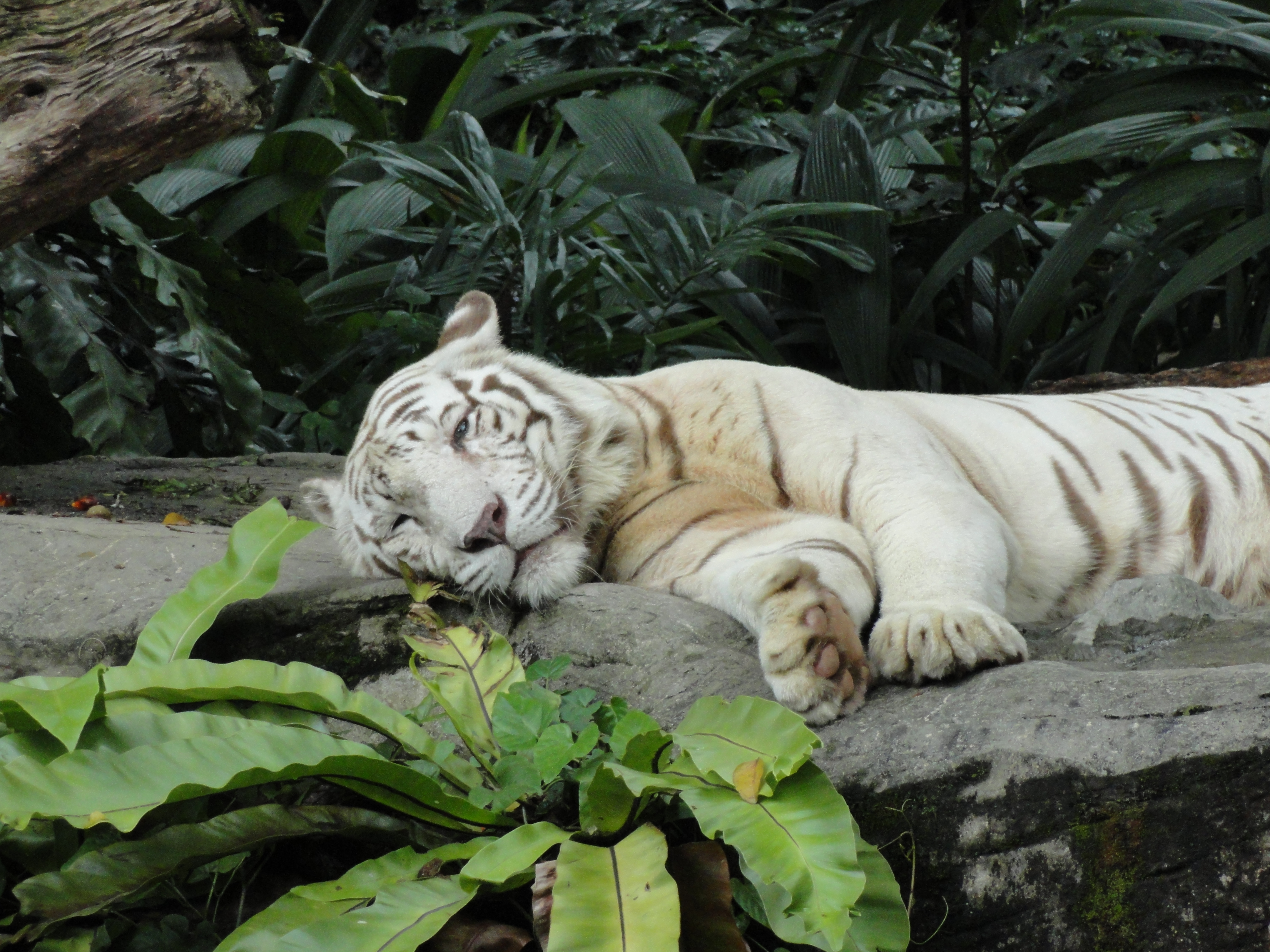
Wildlife And Conservation
Head to the main wildlife and conservation hub to find out how to have more of a positive impact as a traveller
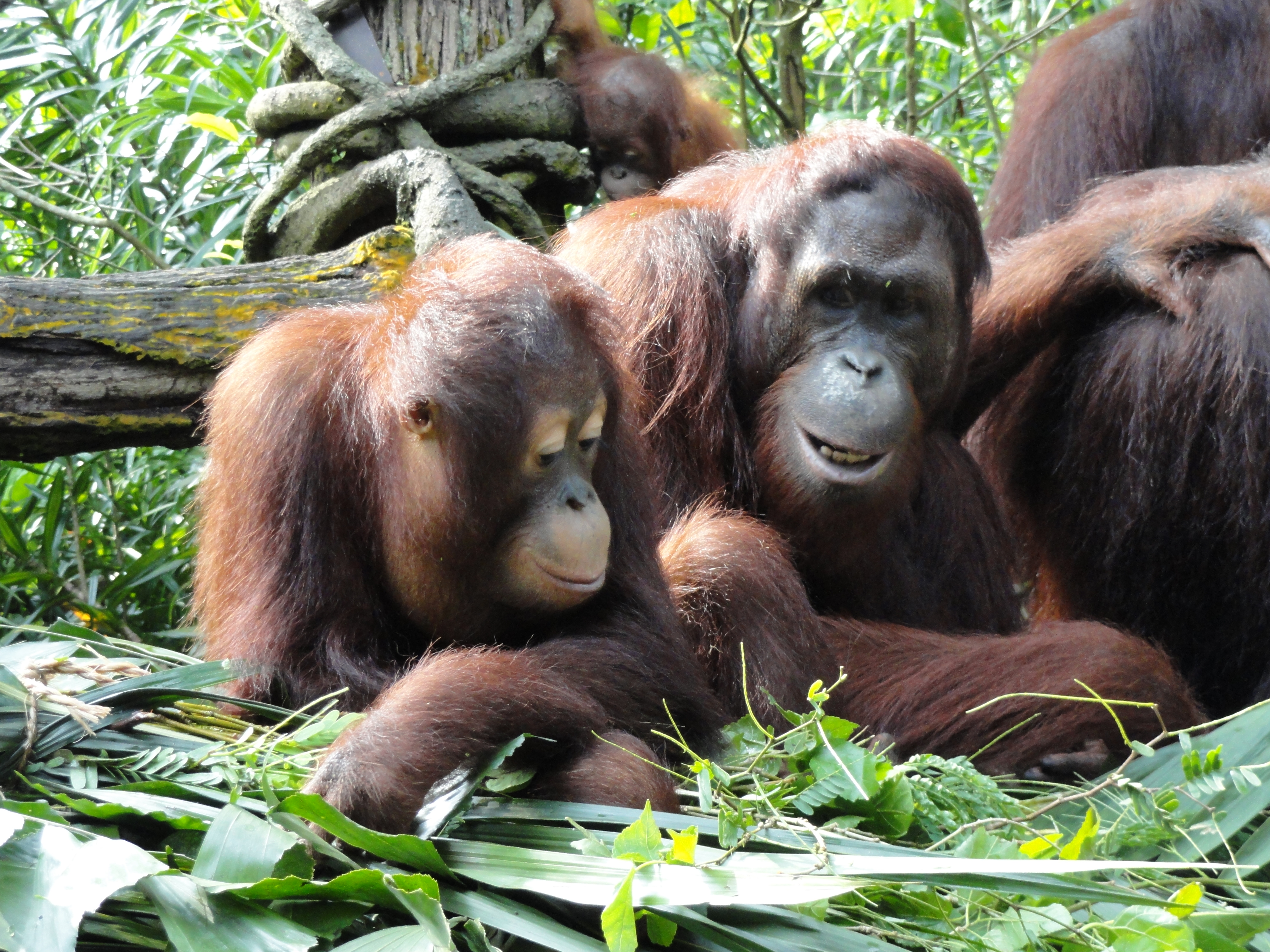


 Bemused Backpacker